How to Break a Dog of Food Aggression Safely
Figuring out how to break a dog of food aggression feels overwhelming when your pet is growling over their bowl. That tension in the room is real, and ignoring it only makes things worse. You need a plan that keeps everyone safe while actually fixing the problem.
In our research, dogs showing resource guarding behaviors can escalate from stiffening to a bite in seconds if handled incorrectly. The American Veterinary Society of Animal Behavior strongly advises against punishment-based corrections for these issues as of 2026. Let’s look at exactly what works instead.
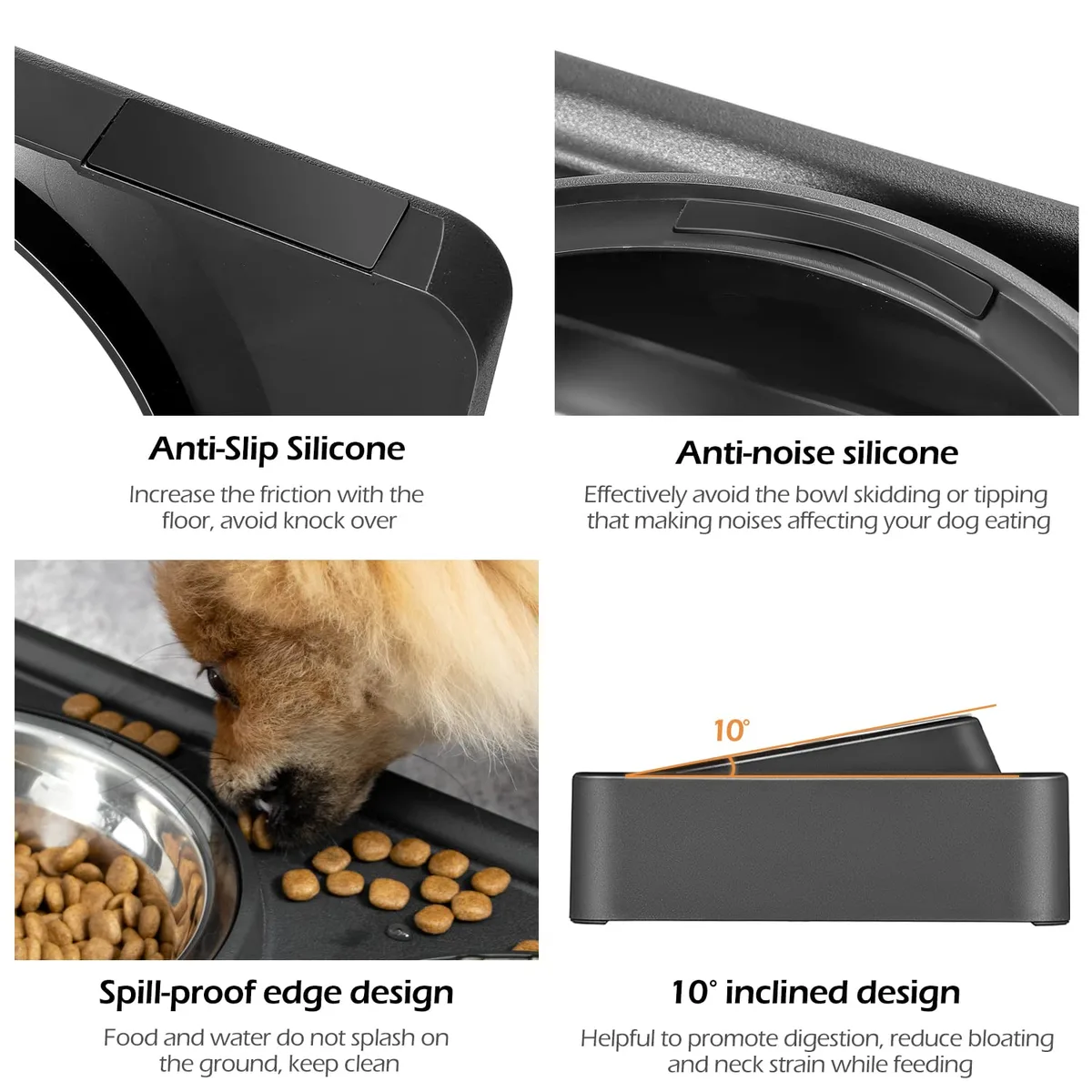
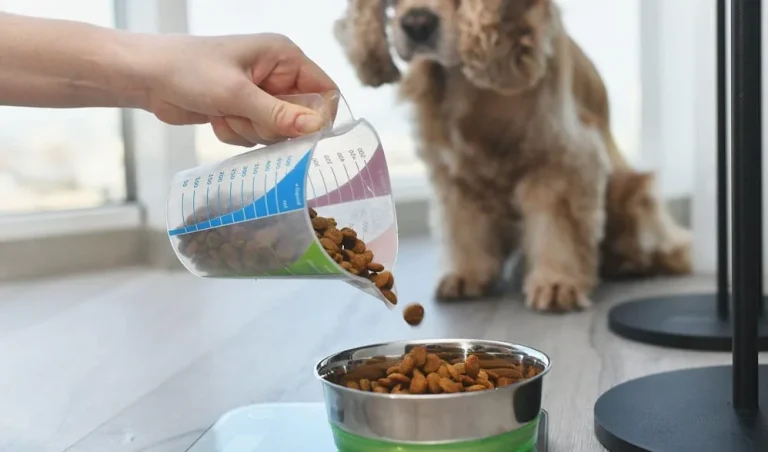
Image source: Web (Bing) / animalia-life.club (Web image (fair-use with source credit))
Quick Answer
Food aggression requires management first. Keep kids away during meals. Feed your dog behind closed doors.
Toss high-value treats from a distance. Never punish a warning growl.
Why Accuracy Matters When Your Dog Guards Food
Getting this wrong doesn’t just mean a failed training session. It means someone gets hurt. Resource guarding is a leading cause of canine bites inside homes, especially involving children who don’t recognize early warning signs like freezing or whale eye.
If you try outdated dominance tactics, you risk suppressing your dog’s warning system. A dog that stops growling hasn’t stopped feeling afraid. They just skip straight to snapping next time someone approaches their kibble.
Our research shows that fear-free methods yield significantly better long-term outcomes than physical corrections. Certified professionals holding credentials like CAAB or DACVB rely entirely on changing the dog’s emotional response rather than forcing compliance through intimidation.
This matters because a bite isn’t just a physical injury. It carries legal liability, potential quarantine requirements, and lasting trauma for both the family and the dog. Accuracy here protects everyone living under your roof.
When you understand the stakes, you realize why rushing this process is dangerous. Slow, deliberate steps build genuine trust. Fast fixes usually just create hidden risks waiting for the wrong moment to surface.
The Core Mechanics of Resource Guarding and Scarcity Anxiety
Resource guarding happens when a dog perceives a threat to something they value. Food is the most common trigger, but dogs also guard bones, stolen socks, or even empty bowls. The underlying emotion is almost always anxiety, not spite.
Dogs don’t guard food to dominate you. They guard it because their brain tells them losing it would be terrible. For rescue dogs coming out of competitive shelter environments, that fear makes perfect sense based on their history.
You’ll see specific body language before a bite ever happens. Watch for stiffening over the bowl, eating much faster when you walk by, or showing the whites of their eyes. These are distance-increasing signals asking you to back off.
Scarcity anxiety drives most of this behavior. If a puppy had to fight littermates for milk, or if an adult dog learned that human hands near food mean dinner disappears, they will defend their meal aggressively.
Sometimes medical issues play a role too. A dog experiencing pain might guard resources more intensely than usual. Ruling out physical illness with a vet should always be your very first step before starting any behavioral work.
Understanding these mechanics changes how you approach mealtime. You stop seeing a stubborn pet and start seeing a terrified one. That shift in perspective is what makes successful rehabilitation possible.
Immediate Safety Protocols: Environmental Management Before Training
You cannot train a dog while they are actively practicing bad habits. Every time your dog guards their food successfully and makes you retreat, the behavior gets stronger. Management stops that rehearsal immediately.
Start feeding your dog in a completely separate room. Close the door, put the bowl down, and walk away. Don’t hover in the doorway watching them eat.
Give them total peace.
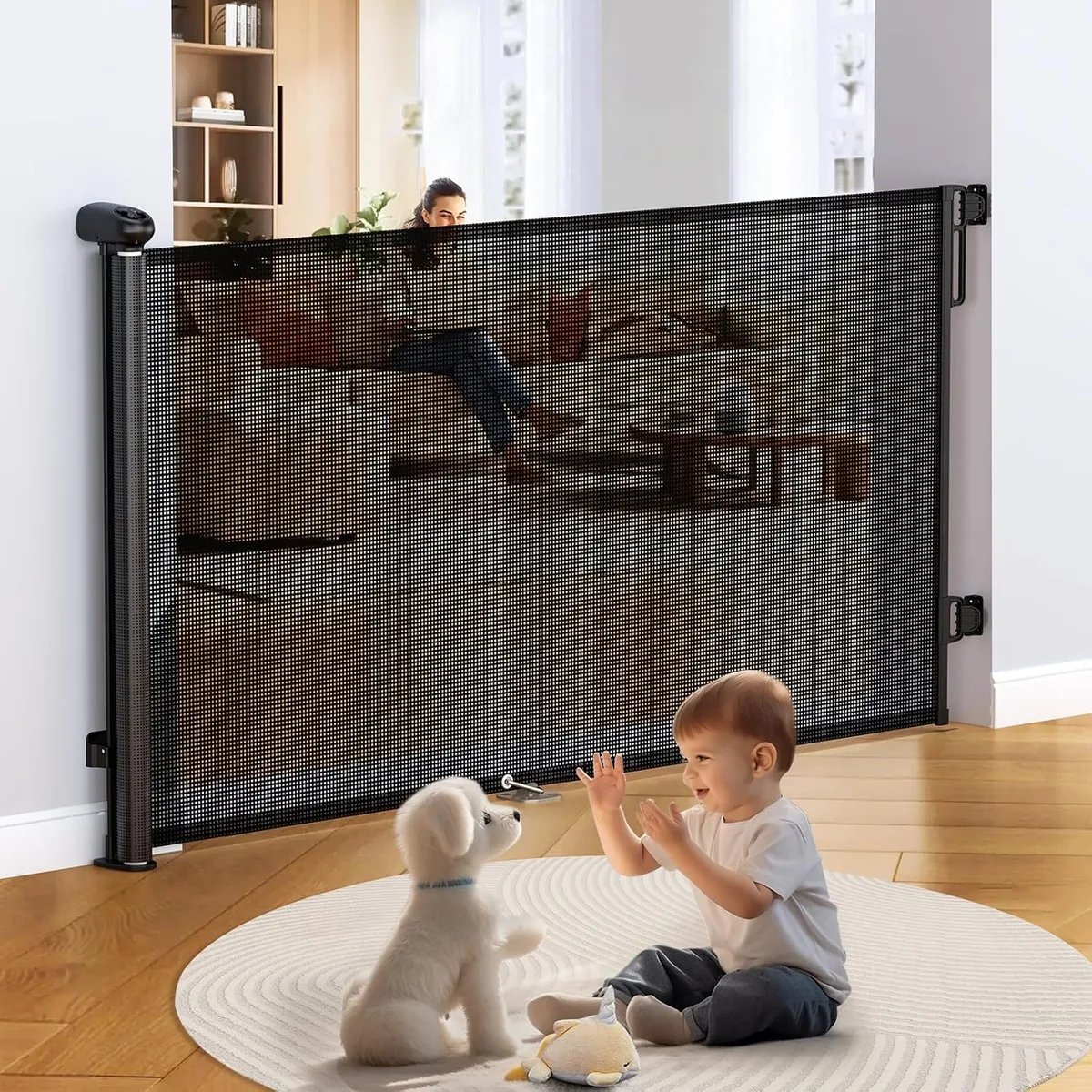
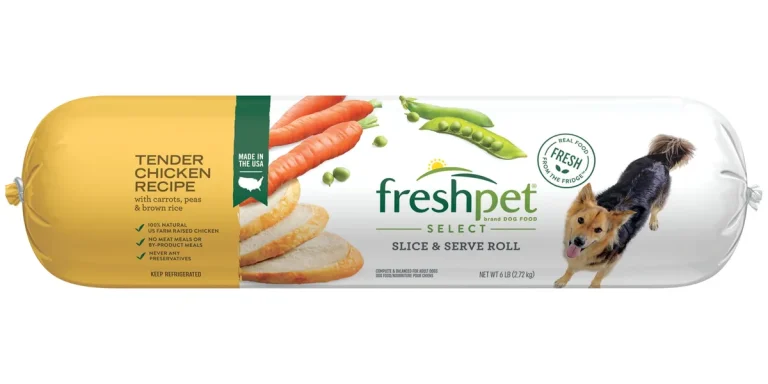
Image source: Web (Bing) / tiendamia.cr (Web image (fair-use with source credit))
Only pick up the empty bowl after the dog has left the room entirely. If they stay near the bowl, leash them calmly and walk them out before retrieving it. Never reach into their space uninvited.
If you have toddlers or other pets, physical barriers are non-negotiable. Baby gates, closed doors, and crate feeding keep everyone separated. Kids running past a food bowl is a recipe for disaster.
| Management Strategy | Purpose |
|---|---|
| Closed-door feeding | Eliminates foot traffic triggers during meals |
| Picking up bowls when empty | Prevents guarding of residual food smells |
| Physical baby gates | Keeps children and other pets safely separated |
| Crate meals | Provides a defined, secure boundary for eating |
Management isn’t the final fix, but it is the foundation. Without it, your counterconditioning efforts will constantly be undermined by accidental rehearsals of the guarding behavior. Secure the environment first.
While managing their daily meals, ensure you’re offering appropriate nutrition for their life stage. Dogs transitioning between growth phases might experience stress that impacts their behavior. Knowing when to transition their diet helps maintain physical comfort alongside behavioral work.
Step-by-Step Counterconditioning: From Threshold Distance to the Trade-Up Game
Counterconditioning changes how your dog feels about people approaching their food. Instead of predicting loss, they learn to predict massive gains. This takes weeks or months, so patience is your best tool.
First, find your dog’s threshold distance. Stand near them while they eat boring kibble. Take one step closer.
If they freeze, eat faster, or pin their ears back, you’ve crossed the line. Back up until they relax completely.
From that safe distance, toss an incredible treat toward them. Think boiled chicken or freeze-dried liver. Toss it slightly past the bowl so you aren’t crowding their face.
Then immediately turn around and walk away.
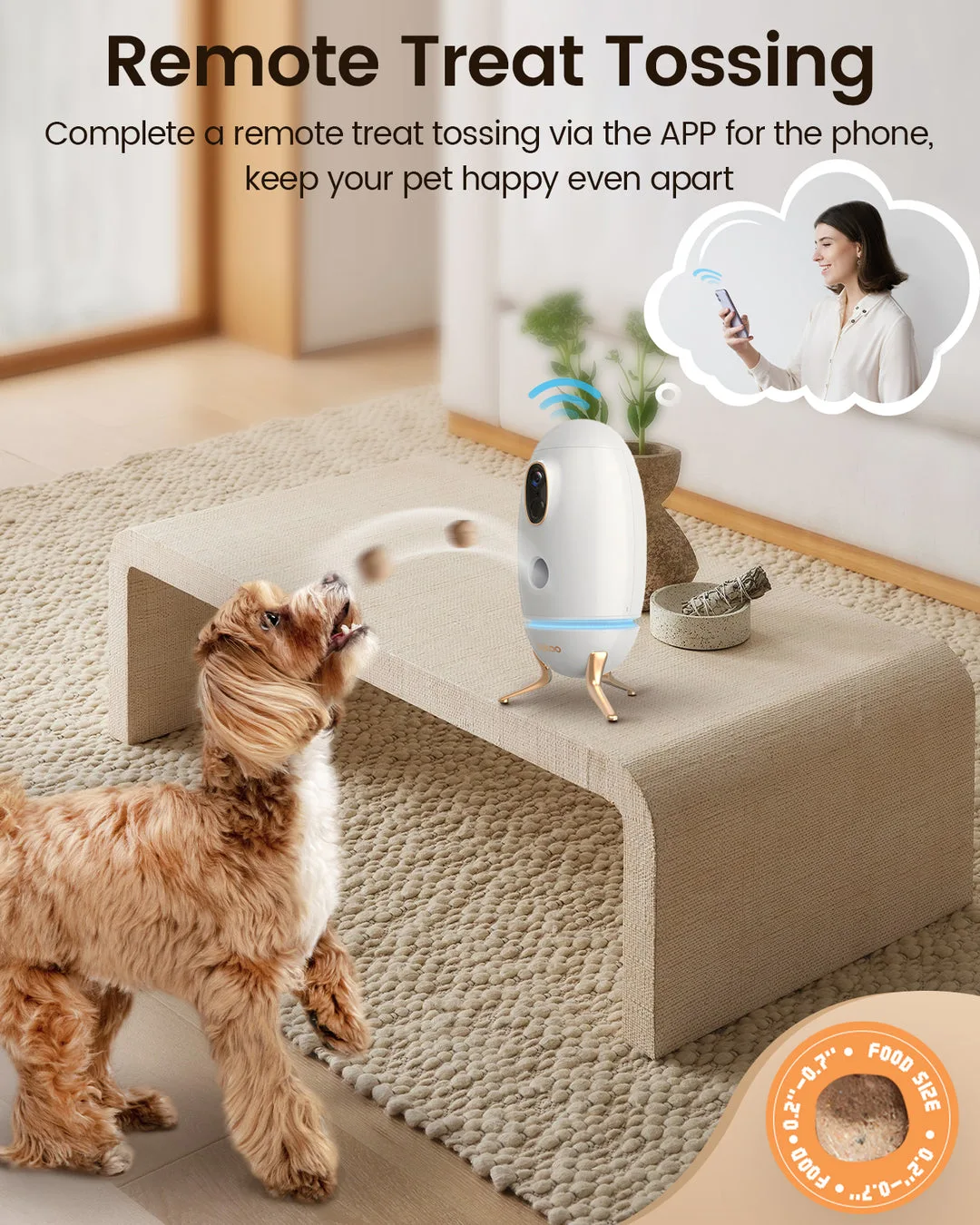
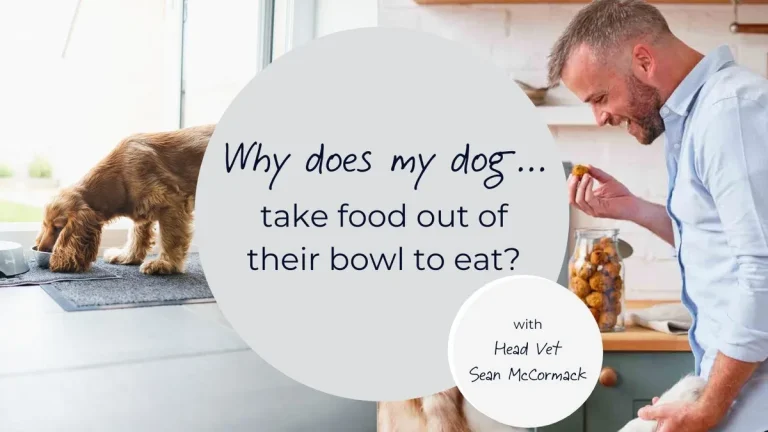
Image source: Web (Bing) / store.dokoo.net (Web image (fair-use with source credit))
You are teaching a simple equation. Human approaches equal amazing food drops from the sky, followed by the human leaving them alone. Repeat this for several days without moving any closer.
Wait for them to look up happily when you appear.
Once they expect the chicken joyfully, take half a step closer during your next session. Toss the treat. Walk away.
If they tense up again, you moved too fast. Return to the previous distance for another few days.
The trade-up game comes last. Only attempt this when your dog stays totally relaxed with you standing right beside them. Offer a piece of chicken near their nose while gently sliding the kibble bowl away.
When they take the chicken, give the bowl right back. They learn that giving up food doesn’t mean losing dinner. It means upgrading it temporarily.
Practice this sparingly to keep its value high.
Consistency matters here. If you’re working on behavioral modification, keeping their routine predictable helps reduce overall stress. That includes knowing how long younger dogs need specialized nutrition before shifting to standard adult diets.
Sudden changes anywhere in their life can slow your progress.
Dominance Theory vs. Fear-Free Methods: What Actually Works (and What Gets You Bitten)
Old advice told you to stick your hand in the dog’s bowl randomly to prove you’re the boss. That approach assumes the dog is challenging your authority. In reality, it just proves to the dog that you are unpredictable and dangerous near their food.
Dominance-based corrections often suppress growling temporarily. But suppressing a growl removes your warning system. The next time the dog feels threatened, they won’t warn you.
They will just bite.
Fear-free methods rely on classical conditioning. You pair your presence with something the dog loves, staying below their fear threshold the entire time. You never force confrontation.
The dog chooses to relax because relaxing pays off.
| Method | Mechanism | Typical Outcome |
|---|---|---|
| Alpha rolls | Physical intimidation | Escalated fear, higher bite risk |
| Hand in bowl | Forced exposure | Increased guarding intensity |
| Treat and retreat | Classical conditioning | Reduced anxiety, voluntary relaxation |
| Trade-up game | Positive exchange | Willingness to release items safely |
The AVSAB position statements clearly advise against aversive techniques for treating behavioral problems. Their guidance confirms that positive reinforcement yields safer, more reliable results for resource guarding specifically.
Punishment creates fallout. A dog punished for guarding food might start guarding water bowls, sleeping spots, or toys instead. The anxiety simply relocates to a new target because the root fear was never addressed.
Choosing the right method also involves understanding your dog’s developmental stage. A young dog still eating growth formulas needs different handling than a mature adult. Figuring out when to introduce mature diets ensures their nutritional needs align with their behavioral training timeline.
If you’re dealing with a smaller breed showing these traits, the physical dynamics change slightly. You still use the same fear-free protocols, but your spatial awareness must adjust. Selecting appropriate nutrition for compact breeds prevents dietary stress from compounding behavioral anxiety.
Red Flags, Professional Credentials, and When to Call a Behaviorist
Not every guarding situation is safe enough for you to handle alone at home. If your dog has already broken skin, you need professional intervention immediately. Waiting to see if things improve only increases the risk of a severe injury.
Watch for specific red flags that signal the behavior is escalating beyond basic management. Guarding empty bowls, snapping at dropped crumbs on the floor, or stiffening when you just walk through the room are major warning signs. These indicate generalized anxiety rather than simple food protection.
Children in the house change the entire safety calculation. Toddlers cannot reliably follow rules about staying away from feeding areas. If you have young kids and a dog that guards resources, hire a credentialed expert right away.
When looking for help, verify their actual qualifications carefully. Anyone can print a business card calling themselves a trainer. Look for specific letters after their name that prove advanced education in animal behavior.
| Credential | Issuing Body | Focus Area |
|---|---|---|
| DACVB | American College of Veterinary Behaviorists | Medical and behavioral diagnosis |
| CAAB | Animal Behavior Society | Applied research and modification |
| KPA-CTP | Karen Pryor Academy | Force-free training mechanics |
| Fear Free Certified | Fear Free Pets | Reducing veterinary and handling stress |
A DACVB or CAAB holds university-level degrees in behavioral science. They understand the neurochemistry behind fear responses. For severe aggression cases, this level of expertise is non-negotiable for keeping your family safe.
You should also consider muzzle conditioning as part of your interim safety plan. A properly fitted basket muzzle allows a dog to pant and drink while preventing bites. Introduce it slowly using peanut butter inside the muzzle so the dog views it positively.
If your older dog suddenly starts guarding meals after years of normal eating habits, schedule a veterinary exam first. Pain from dental disease or arthritis frequently triggers sudden resource guarding. Treating the underlying medical issue often resolves the behavioral shift entirely.
Knowing when older dogs need dietary adjustments helps rule out nutritional discomfort as a trigger. Physical pain and digestive upset both increase anxiety around mealtimes. Address those factors before assuming the problem is purely behavioral.
Frequently Asked Questions
How long does it take to stop food guarding?
Behavioral modification for resource guarding typically takes several weeks to months of consistent daily practice. You are changing an emotional response, not just teaching a trick. Rushing the timeline usually causes setbacks that take even longer to repair.
Can I punish my dog for growling at their bowl?
Never punish a growl during mealtime. Growling is a distance-increasing signal warning you that your dog feels threatened. Punishing it removes the warning system and often leads directly to unprovoked biting next time.
Should I take my dog’s bowl away while they eat?
Randomly removing the food bowl teaches your dog that human hands near their dinner mean the food disappears. This actually worsens food aggression over time. Use the trade-up game instead to build positive associations with bowl handling.
Is food aggression a sign my dog thinks they are the boss?
Resource guarding stems from scarcity anxiety and fear of losing something valuable. It has nothing to do with dominance or trying to control your household. Understanding this prevents you from using dangerous confrontational training methods.
Do puppies naturally grow out of guarding their food?
Puppies rarely outgrow resource guarding without intentional intervention. If a puppy shows stiffness or fast eating when approached, start counterconditioning immediately. Early management prevents the behavior from becoming a deeply ingrained adult habit.