
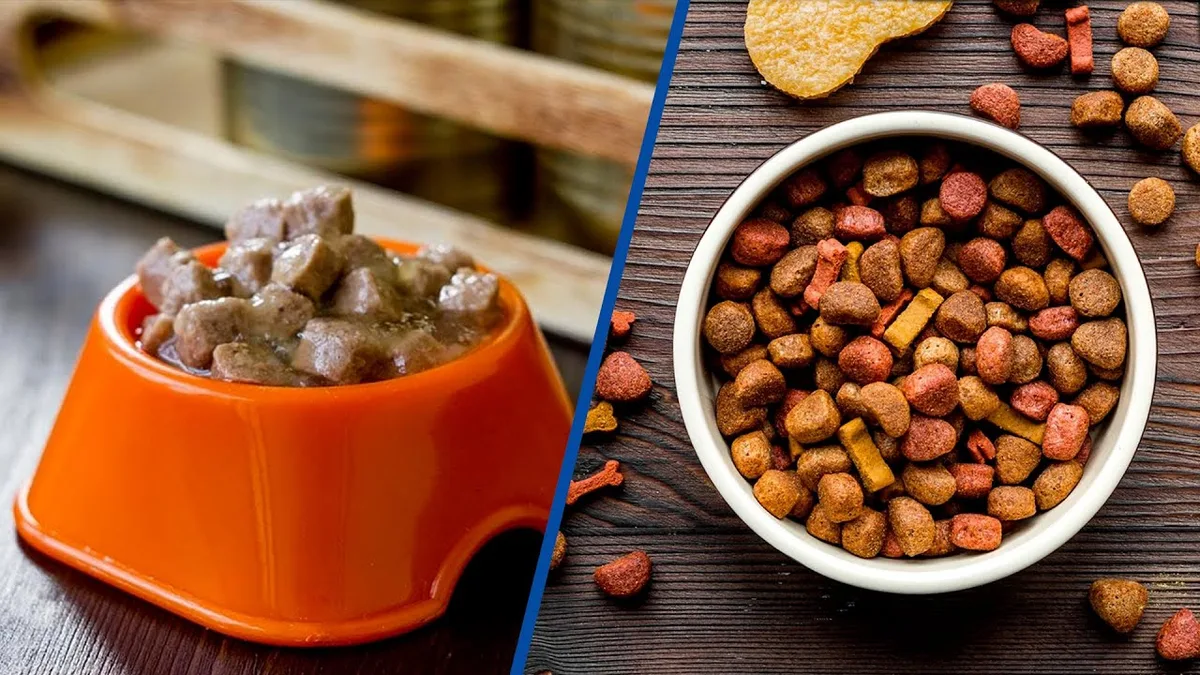
is dry food or wet food better for dogs?
If you’ve ever stood in the pet food aisle wondering whether to grab a bag of kibble or a case of canned food, you’re not alone. The question of is dry food or wet food better for dogs is one of the most common debates among owners, and the honest answer is that it depends entirely on your dog’s age, health, and daily habits. There’s no universal winner here, but there is a right choice for your specific dog.
Per AAFCO (Association of American Feed Control Officials) standards, both dry and wet food can be nutritionally complete and balanced for dogs at any life stage. The real difference comes down to moisture content, calorie density, and how each type fits your dog’s unique needs. Let’s walk through the variables so you can make the call with confidence.
Quick Answer
Neither dry nor wet food is universally better. The right choice depends on your dog’s health, age, and lifestyle. Dry food wins on cost, convenience, and dental benefits.
Wet food wins on hydration, palatability, and lower carbohydrate content. Many dogs do best on a mix of both. As of 2026, veterinary nutritionists generally recommend tailoring the decision to your dog’s specific medical needs rather than picking one camp.
The Real Problem: Why There’s No One-Right-Answer
The pet food aisle is overwhelming. You’ve got bags of kibble stacked floor to ceiling, rows of canned food in every protein imaginable, and a dozen marketing claims screaming “natural,” “grain-free,” or “vet recommended.” It’s enough to make anyone’s head spin.
Here’s the thing: both dry and wet food can be nutritionally complete. AAFCO feeding trials confirm that either type can meet all of a dog’s nutrient requirements. So why does the debate rage on?
Because dogs aren’t identical. A two-year-old Labrador with perfect teeth and a bottomless stomach has completely different needs than a 12-year-old Shih Tzu with missing molars and early kidney concerns. The food that works beautifully for one could cause problems for the other.
That’s why this decision tree exists. We’re going to walk through the specific conditions that point you toward dry, wet, or a combination of both. By the end, you’ll know exactly which path fits your dog.
Quick Answer
Neither dry nor wet food is universally better. Dry food costs less and helps scrape plaque. Wet food hydrates better and is easier to eat.
The best choice depends on your dog’s health, age, and teeth. Many dogs thrive on a mix of both. As of 2026, veterinary nutritionists recommend matching the food type to your dog’s specific medical needs.
How Dry and Wet Food Actually Compare (Side by Side)
Before we dive into the decision branches, let’s lay out the raw numbers. This table shows the key differences between dry and wet dog food at a glance.
| Feature | Dry Food (Kibble) | Wet Food (Canned/Pouch) |
|---|---|---|
| Moisture Content | 6–10% | 75–85% |
| Calorie Density | 300–500 kcal per cup | 100–250 kcal per can |
| Shelf Life (unopened) | 12–18 months | 2–5 years |
| Shelf Life (opened) | Weeks in a sealed bag | 2–3 days in fridge |
| Dental Benefit | Moderate (mechanical scraping) | None |
| Palatability | Lower | Higher |
| Cost per 1,000 kcal | $0.50–$1.50 | $2.00–$5.00 |
| Carbohydrate Content | Higher (30–50%) | Lower (5–20%) |
| Protein Content | 18–30% | 8–12% (as fed) |
The moisture difference is the biggest factor. Dry food sits at 6, 10% moisture, while wet food runs 75, 85%. That means a dog eating only wet food gets a significant portion of their daily water intake from their bowl.
For dogs that don’t drink enough on their own, that’s a real advantage.
Calorie density matters too. A cup of kibble packs 300, 500 calories. A standard 13-ounce can of wet food might hold 400, 500 calories total.
That means a dog eating wet food needs a larger volume of food to get the same energy. For weight loss, that’s helpful. For a working dog that needs dense calories, it’s a drawback.
Cost is another major split. Per 1,000 calories, dry food runs roughly $0.50 to $1.50. Wet food runs $2.00 to $5.00 for the same energy.
Over a month, that difference adds up fast.
Decision Tree: What to Feed Your Dog Based on Their Situation
This is where we get practical. Below are the most common scenarios dog owners face. Find the one that matches your dog and follow the recommendation.
Branch 1: The Healthy Adult Dog with Good Teeth and Normal Weight
If your dog is a healthy adult with no medical issues, good teeth, and a normal body condition score, dry food is a perfectly fine choice. It’s affordable, convenient, and the mechanical action of chewing kibble helps reduce plaque buildup.
That said, even healthy dogs can benefit from some wet food in their diet. Adding a spoonful of wet food to their kibble increases moisture intake and makes the meal more appealing. Many owners find that a 90% dry, 10% wet ratio works well for maintenance.
The key is portion control. Dry food is calorie-dense, so measure carefully. Use a kitchen scale if you want precision.
A cup of kibble can vary by 50 to 100 calories between brands.
Branch 2: The Senior Dog with Bad Teeth or Low Appetite
This is where wet food shines. Senior dogs often develop dental disease, missing teeth, or a reduced sense of smell that makes dry food less appealing. Wet food is soft, aromatic, and easy to eat.

Image source: YouTube / Seniordog-care (YouTube thumbnail (fair-use with source credit))
For a senior dog with dental problems, wet food is almost always the better choice. The high moisture content also helps older dogs stay hydrated, since their thirst drive often decreases with age. If your senior dog has lost weight, wet food’s higher fat content can help them regain condition.
That said, not all senior dogs need wet food exclusively. Some do well on a senior-specific kibble that’s smaller and easier to chew. If your dog still has decent teeth and a healthy appetite, a high-quality senior dry food can work.
Just make sure they’re drinking enough water.
If your senior dog has no teeth at all, wet food is essentially mandatory. Kibble requires chewing, and dogs without teeth can’t break it down properly. In that case, look for a pâté-style wet food or a soft, shredded option.
You can find soft food options for toothless seniors that are specifically formulated for this situation.
Branch 3: The Dog with Kidney Disease or Urinary Issues
This is a medical branch, not a preference branch. Dogs with chronic kidney disease (CKD) or a history of urinary crystals and stones need wet food. Period.
Here’s why. Kidney disease forces the kidneys to work harder to filter waste. The more water a dog drinks, the more diluted the waste becomes, which reduces the workload on the kidneys.
Wet food’s 75- 85% moisture content delivers that water directly with every meal.
Dry food, by contrast, forces the dog to drink separately to compensate. Many dogs with kidney disease don’t drink enough on their own. That puts them at risk for dehydration and accelerates kidney decline.
For urinary issues such as struvite crystals or calcium oxalate stones, increased water intake helps flush the urinary tract and keep urine less concentrated. That makes it harder for crystals to form and clump together.
If your dog has been diagnosed with kidney disease or urinary problems, talk to your vet about a prescription wet diet. These are specifically formulated with controlled levels of phosphorus, sodium, and protein. You can also explore kidney-friendly food options that support renal function.
Branch 4: The Overweight Dog on a Calorie-Restricted Diet
Weight management is tricky with dry food. Kibble is calorie-dense, and it’s easy to overfeed by just a few extra pieces. A quarter cup of kibble can add 75 to 125 calories to a meal.
Over a month, that’s real weight gain.
Wet food offers an advantage here. Because it’s 75, 85% water, a dog can eat a larger volume of food for fewer calories. That helps them feel full without packing on pounds.
A full can of wet food might have the same calories as a half-cup of kibble.
That said, wet food alone isn’t a magic bullet. You still need to measure portions and account for treats. Some weight management wet foods are specifically formulated with lower fat and higher fiber to promote satiety.
If your dog needs to lose weight, consider a combination approach. Feed a measured portion of a weight management dry food for the dental benefits, then add a small amount of wet food to increase volume without adding many calories. Just be sure to adjust the dry portion downward to account for the wet food calories.
Branch 5: The Picky Eater Who Refuses Kibble
Some dogs simply turn up their noses at dry food. If your dog walks away from a bowl of kibble but licks a plate clean when you open a can, wet food is the practical answer.
Picky eating often has a medical component. Dental pain, nausea from kidney disease, or a reduced sense of smell in older dogs can all make kibble unappealing. If your dog has suddenly stopped eating dry food, a vet check is a good idea before assuming they’re just being difficult.
Wet food is more aromatic and has a stronger flavor profile. That’s why picky eaters almost always prefer it. If cost is a concern, try mixing a small amount of wet food into their kibble.
Even a tablespoon can transform a bowl of dry food from boring to enticing.
Some owners worry that feeding wet food will spoil their dog and make them refuse kibble forever. In our research, that’s rarely the case. Dogs adapt to what’s consistently offered.
If you need to switch back to dry, do it gradually over a week, and your dog will adjust.
Branch 6: The Puppy Who Needs Energy and Dental Development
Puppies have unique nutritional needs. They require higher protein and fat for growth, plus controlled calcium and phosphorus levels for proper bone development. Both dry and wet puppy foods can meet these requirements if they carry an AAFCO statement for growth.
For puppies, dry food has a specific advantage: chewing. The mechanical action of crunching kibble helps with teething discomfort and promotes healthy dental development. Large-breed puppies, in particular, benefit from kibble designed to slow down eating and reduce the risk of bloat.
That said, very young puppies (under 8 weeks) may struggle with dry food. Their teeth are still coming in, and kibble can be hard to chew. A wet food or a dry food softened with warm water is easier for them to handle during the transition from mother’s milk.
If you have a large-breed puppy, pay close attention to growth rate. Large-breed puppy foods are formulated with controlled calcium and phosphorus to prevent rapid growth that can lead to hip dysplasia. Some of these formulas come in both dry and wet versions.
Check the best food for Bernese Mountain Dog puppies for an example of breed-specific nutritional considerations.
A good rule of thumb for puppies: start with a high-quality dry puppy food softened with warm water. As their teeth come in, gradually reduce the water. If your puppy is a picky eater, add a small amount of wet puppy food as a topper.
Branch 7: The Dog with Diabetes or Blood Sugar Concerns
Diabetes management in dogs revolves around blood sugar control. That means consistent carbohydrate intake and meal timing are critical.
Wet food has a natural advantage here. It’s lower in carbohydrates than dry food, which means it causes a smaller blood sugar spike after eating. Many prescription diabetic diets are wet formulas for exactly this reason.
Dry food, especially grain-inclusive kibble, tends to be higher in carbohydrates. Some dry foods contain 40- 50% carbs, which can make blood sugar management more difficult. If you’re feeding dry food to a diabetic dog, look for a low-carbohydrate formula specifically designed for diabetes.
Timing matters too. Diabetic dogs need to eat at the same time every day, usually right before or after their insulin injection. Wet food’s higher palatability can help ensure they finish their meal, which is important for matching insulin dosage to food intake.
If your dog has diabetes, work with your veterinarian to choose a food. Don’t switch types without guidance, because changing the carbohydrate content can affect insulin requirements. Some owners find that a consistent mix of wet and dry food works well, as long as the portions stay the same from meal to meal.
The Best of Both Worlds: How to Mix Wet and Dry Food Safely
Combination feeding is one of the most practical approaches for many dogs. You get the dental and cost benefits of kibble plus the hydration and palatability of wet food. It’s not complicated, but there are a few rules to follow.
Start with a 75% dry, 25% wet ratio. That gives your dog the texture and chewing benefit of kibble while adding moisture and flavor. Adjust from there based on your dog’s response.
Reduce the dry portion to account for the wet food calories. A common mistake is adding wet food on top of the full dry portion. That doubles the calories. Instead, reduce the dry food by roughly the same calorie value as the wet food you’re adding.
Mix them in the bowl at serving time. Don’t pre-mix a batch and store it. Wet food spoils quickly once opened, and mixing it with dry food accelerates spoilage. Combine only what your dog will eat in one sitting.
Use a slow-feeder bowl if your dog inhales food. Wet food can make meals go down even faster. A slow feeder or puzzle bowl helps prevent gulping and reduces the risk of bloat. You can find well-designed food bowls that work for both wet and dry food.
Monitor your dog’s weight. Combination feeding makes it easier to overfeed if you’re not measuring. Use a kitchen scale to weigh portions for the first few weeks until you have a consistent routine.
Common Mistakes People Make When Choosing Dog Food
Even well-meaning owners make errors. Here are the most common ones we see.
Assuming wet food is always healthier. Wet food is not automatically better. Some wet foods are high in fat, low in protein, or loaded with fillers like carrageenan and guar gum. Read the ingredient list and guaranteed analysis, not just the label.
Feeding only dry food to a dog that doesn’t drink enough. Some dogs are lazy drinkers. If your dog’s water bowl barely goes down each day, dry food alone can lead to chronic dehydration. Add wet food or soak their kibble in warm water.
Switching food types too quickly. A sudden change from dry to wet (or vice versa) can cause diarrhea, vomiting, or gas. Always transition over 5- 7 days, gradually increasing the new food while decreasing the old.
Ignoring the calorie difference. A cup of kibble and a can of wet food are not interchangeable. Check the calorie content on the package and adjust portions accordingly. Your dog’s ideal weight is the best guide.
Choosing based on price alone. The cheapest dry food and the cheapest wet food are both likely to be of low quality. Look for AAFCO feeding trial certification, named protein sources, and a guaranteed analysis that matches your dog’s needs.
Cost Comparison: What You’ll Actually Spend Per Month
Let’s talk money. The cost difference between dry and wet food is significant, and it’s one of the main reasons people choose kibble.
For a 50-pound healthy adult dog eating at maintenance, here’s what you can expect per month.
| Food Type | Cost per Month (Budget Brand) | Cost per Month (Premium Brand) |
|---|---|---|
| Dry Food Only | $25–$40 | $50–$80 |
| Wet Food Only | $80–$150 | $150–$300 |
| 75% Dry + 25% Wet | $40–$70 | $80–$140 |
| 50% Dry + 50% Wet | $55–$100 | $110–$200 |
The numbers speak for themselves. Wet food costs two to four times more than dry food per calorie. For a large breed dog, feeding only wet food can easily run over $200 per month.
That doesn’t mean wet food is a bad value. You’re paying for higher moisture content, better palatability, and often higher-quality ingredients. But it’s a real factor in the decision.
If the budget is tight, combination feeding is the sweet spot. A 75% dry, 25% wet mix gives you most of the benefits of wet food at a fraction of the cost. You can also rotate: feed dry food during the day and wet food at dinner.
When to Ignore the Internet and Ask Your Vet Instead
This is the most important section in this article. There are situations where no amount of online research replaces a veterinarian’s advice.
If your dog has a diagnosed medical condition. Kidney disease, diabetes, pancreatitis, liver disease, urinary crystals, and food allergies all require specific dietary management. A board-certified veterinary nutritionist can recommend a food that’s tailored to your dog’s lab results.
If your dog is on medication. Some medications interact with certain nutrients. For example, dogs on thyroid medication need consistent iodine levels. A vet can help you choose a food that won’t interfere.
If your dog is pregnant or nursing. Lactating dogs have dramatically increased calorie and nutrient needs. A standard adult maintenance food won’t cut it. Your vet can recommend a growth or all-life-stages formula.
If your dog has unexplained weight loss or gain. Before changing food, rule out underlying medical issues. Weight changes can signal thyroid problems, diabetes, Cushing’s disease, or cancer.
If your dog has a history of bloat (GDV). Large, deep-chested breeds are at risk for gastric dilatation-volvulus. Some vets recommend avoiding foods that encourage rapid eating, which can include certain wet food textures.
Your vet has access to your dog’s blood work, urinalysis, and medical history. No article, including this one, can replace that. Use online resources to educate yourself, then bring your findings to your vet for a final recommendation.
Final Decision Guide: A Quick Reference by Your Dog’s Profile
Here’s a cheat sheet. Find your dog’s profile and follow the recommendation.
| Dog Profile | Best Choice | Why |
|---|---|---|
| Healthy adult, normal weight, good teeth | Dry food (or 75/25 mix) | Cost-effective, dental benefit, convenient |
| A senior with bad teeth or a low appetite | Wet food (or soft dry) | Easy to eat, high palatability, hydration |
| Kidney disease or urinary issues | Wet food (prescription) | High moisture, controlled minerals |
| Overweight or obese | Wet food (or 50/50 mix) | Lower calorie density, more volume |
| Picky eater | Wet food (or mix) | Strong aroma, better taste |
| Puppy (under 6 months) | Dry softened with water | Dental development, controlled growth |
| Diabetic | Wet food (low carb) | Lower blood sugar impact |
| Healthy but doesn’t drink enough | Wet food or soaked kibble | Prevents dehydration |
| Working or high-energy breed | Dry food (high-calorie) | Dense energy, easy to transport |
Frequently Asked Questions
Can I feed my dog only wet food?
Yes, as long as it’s a complete and balanced formula with an AAFCO statement. Many dogs eat only wet food their whole lives. Just be diligent about dental care, since wet food doesn’t scrape plaque as kibble does.
Can I feed my dog only dry food?
Yes, dry food is nutritionally complete for most healthy dogs. The main concern is hydration. Make sure your dog drinks enough water throughout the day.
If they don’t, consider adding wet food or soaking their kibble.
Is mixing wet and dry food bad for dogs?
No, mixing is perfectly safe and often recommended. It combines the benefits of both types. Just adjust portions to avoid overfeeding, and mix only what your dog will eat in one sitting to prevent spoilage.
How much wet food equals one cup of dry food?
There’s no exact conversion because calorie density varies by brand. As a rough guide, one 13-ounce can of wet food has roughly the same calories as 1 to 1.5 cups of dry food. Check the calorie content on both packages for accuracy.
Does wet food cause dental problems in dogs?
Wet food doesn’t cause dental problems, but it doesn’t help prevent them either. Dry food provides some mechanical plaque removal, but it’s not a substitute for regular tooth brushing or dental chews. Either way, dental care is essential.
How long can wet food sit out in a bowl?
Wet food should not sit out for more than one to two hours. Bacteria grow quickly in moist, protein-rich food at room temperature. If your dog doesn’t finish their meal within that window, refrigerate the leftovers and offer them later.



One Comment