At What Age Should You Switch to Senior Dog Food?
You’re watching your dog slow down just a little. Maybe they’re a bit stiff after walks, or they leave a few kibble pieces in the bowl. And you’re wondering when to switch to senior dog food different.
It’s a smart question, because the timing matters more than most owners realize.
Per the American Veterinary Medical Association, giant breeds enter their senior years around age 5 or 6, while small breeds may not need senior care until 10 or 11. That’s a huge range. Guessing based on age alone can lead to mistakes that affect your dog’s health.
Let’s look at what really matters.
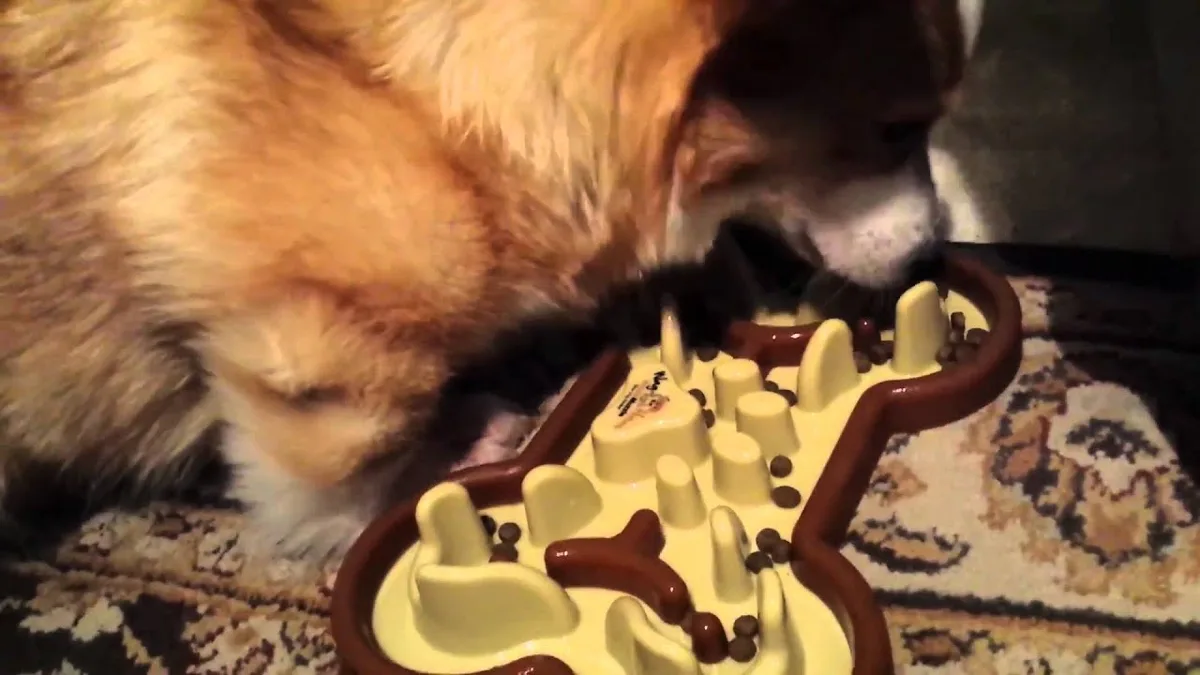
Image source: YouTube / Rad Pursuit (YouTube thumbnail, fair-use with source credit)
Why This Decision Deserves Real Care (Not Just a Calendar Date)
Pet food companies love simple rules. “Switch at 7 years old” fits neatly on a bag. But your dog’s body doesn’t read the label.
The difference between switching too early and too late can affect their kidneys, joints, and weight for years. Switch too early, and you might cut calories your dog still needs. Switch too late, and you miss the window where diet could have slowed down kidney stress or arthritis.
This isn’t about being perfect. It’s about being informed. And the first step is understanding that chronological age is just one piece of the puzzle.
The real question is biological age. A 7-year-old Labrador who’s overweight and has early arthritis needs different nutrition than a 7-year-old Jack Russell who still runs five miles a day. The same birthday doesn’t mean the same body.
Quick Answer: It Depends on Size More Than Age
Switch to senior food based on your dog’s breed size, not just their age. Giant breeds need it around 5. Small breeds can wait until 10.
Watch for stiffness, weight gain, or changes in digestion. A senior blood panel from your vet is the most reliable way to confirm it’s time.
Here’s the general timeline by size:
Dog Size Category Recommended Switch Age Example Breeds
Small (under 20 lbs) 10 to 12 years Chihuahua, Yorkie, Maltese, Dachshund
Medium (20 to 50 lbs) 8 to 10 years Beagle, Corgi, Bulldog, Border Collie
Large (50 to 80 lbs) 7 to 9 years Labrador Retriever, Golden Retriever, German Shepherd
Giant (over 80 lbs) 5 to 7 years Great Dane, Mastiff, Saint Bernard, Irish Wolfhound
These are starting points, not deadlines. Your dog’s individual health, activity level, and genetics all matter. But this table gives you a better baseline than a one-size-fits-all rule.
What Actually Changes in Senior Food (And Why It Matters)
Senior dog food isn’t just adult food with fewer calories. The nutritional profile shifts in ways that support aging organs. Understanding these changes helps you decide when your dog actually needs them.
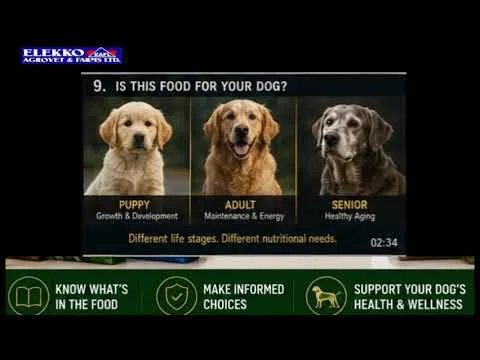
Image source: YouTube / Elekko Agrovet & Farms Tv (YouTube thumbnail, fair-use with source credit)
Lower Phosphorus for Kidney Protection
This is the biggest difference. Kidneys filter waste from the blood, and phosphorus is a mineral that makes them work harder. As dogs age, kidney function naturally declines.
Senior formulas contain less phosphorus to reduce that strain.
The Association of American Feed Control Officials (AAFCO) sets minimum nutrient levels for adult dog food, but senior foods often go below those phosphorus limits. That’s intentional. Modern veterinary nutrition research shows that lower phosphorus is one of the most effective dietary changes for slowing kidney disease progression.
Higher-Quality Protein to Preserve Muscle
Older dogs lose muscle mass faster than younger dogs. It’s called sarcopenia, and it’s common. But the solution isn’t just “more protein.”
Senior formulas use highly digestible protein sources. That means the body can actually absorb and use the amino acids. Lower-quality protein passes through without being fully utilized, which taxes the kidneys even more.
The goal is less total protein waste, not less protein overall.
Joint Support and Omega-3s
Glucosamine and chondroitin are standard in most senior foods. They support cartilage health and can slow the progression of arthritis. Omega-3 fatty acids (EPA and DHA) reduce inflammation throughout the body, including in the joints.
These aren’t miracle cures. But they provide measurable benefits. Aggregate reviews and clinical studies show that dogs on supplemented senior diets often show improved mobility within 4 to 8 weeks.
Fewer Calories, More Fiber
Metabolism slows down. Activity levels drop. The same amount of food that maintained a healthy weight at age 4 will cause weight gain at age 8.
Senior formulas adjust calories downward while increasing fiber to help your dog feel full. The fiber also supports digestive regularity, which often becomes an issue as the gut ages.
The Biggest Risk: Switching Too Early vs. Too Late
Both mistakes have real consequences. Let’s break them down.
What Happens When You Switch Too Early
Your dog gets fewer calories than they need. If they’re still active and metabolically young, they’ll lose weight. Muscle mass can drop.
Their coat might get dull because they’re not getting enough fat.
The joint supplements aren’t harmful, but they’re unnecessary. You’re paying more for a formula that doesn’t match your dog’s actual needs.
When it’s most likely: Owners of giant breeds sometimes panic and switch at 4 or 5. At that age, many giants are still in their prime. Unless there’s a specific health issue, they don’t need senior food yet.
What Happens When You Wait Too Long
This is the more common mistake, and it’s more serious.
Your dog’s kidneys have been under strain for months or years. The low-phosphorus window was missed. Joint inflammation has been building without the support of targeted omega-3s and glucosamine.
Your dog gained weight on adult food that was too calorie-dense for their slowing metabolism.
When it’s most likely: Owners of small breeds. A 10-year-old Chihuahua who still acts like a puppy might seem young. But internally, their kidneys and digestive system have aged.
The “they seem fine” trap is dangerous.
The research is detailed: preventive nutrition is more effective than reactive nutrition. Waiting until you see obvious signs of aging means you’ve already lost ground.
The Hidden Truth That Most Owners Miss
Here’s the part that isn’t on the dog food bag.
Your dog can look and act perfectly healthy while their internal systems are aging. Kidneys can lose up to 75% of their function before blood tests show elevated values. Arthritis can be present for years before your dog visibly limps.
This is why the “they seem fine” argument is dangerous.
The hidden truth is that biological age and chronological age drift apart over time. A dog who has been overweight for years may have the kidneys of a dog 3 years older. A dog who has been on a high-quality diet with regular exercise may have the joints of a dog 3 years younger.
You can’t see this. You can’t guess it. And you can’t rely on behavior alone.
What you can do: Get a baseline senior blood panel at the age recommended for your dog’s breed size. Then repeat it annually. That’s the only reliable way to know if your dog’s body is ready for a senior diet.
This is also where the connection between diet and overall health becomes clear. Senior food is part of a larger picture. When you’re evaluating your dog’s changing needs, it’s worth considering other aspects of care as well.
You might also want to look into managing your dog’s weight if they’re carrying extra pounds, since that directly affects how quickly they age internally.
How to Know It’s Really Time (The 7 Signs to Watch)
You don’t need to guess. Your dog’s body gives you signals. The trick is knowing which ones matter.
Sign 1: Stiffness after rest. Your dog gets up slowly after lying down. They might hobble for the first few steps before warming up. That’s early arthritis, and senior food’s joint support can help.
Sign 2: Weight gain on the same portions. If your dog is eating what they always ate but the scale keeps creeping up, their metabolism has slowed. Senior food adjusts calories downward without making them feel hungry.
Sign 3: Duller coat or flaky skin. A coat that used to shine now looks flat. Dry patches appear. This often means their current food isn’t delivering enough omega-3 fatty acids for skin health.
Sign 4: Less interest in food. Older dogs sometimes become picky. Their sense of smell fades. Senior formulas are often more aromatic and palatable to encourage eating.
Sign 5: Softer stool or more gas. Digestive efficiency declines with age. If your dog’s stool has changed consistency or they’re passing more gas than usual, their gut may need easier-to-digest protein and added prebiotics.
Sign 6: Increased thirst and urination. This is a big one. Dogs drinking more water and needing more bathroom breaks can signal early kidney issues. It’s not a reason to panic, but it is a reason to get bloodwork done.
Sign 7: Dental trouble. Missing teeth, bad breath, or difficulty chewing hard kibble means your dog may need smaller or softer food. Many senior formulas offer a texture that’s easier on aging mouths.
If you see two or more of these signs, it’s worth starting the conversation with your vet. You don’t need to see all seven.
The Most Reliable Way to Decide: A Senior Blood Panel
Signs are helpful. But bloodwork is definitive.
A senior wellness blood panel checks kidney values (BUN and creatinine), liver enzymes, thyroid function, and red and white blood cell counts. These numbers tell you what’s happening inside your dog’s body, regardless of what you see on the outside.

Image source: YouTube / Dr. Sardana Pet Care Tips (YouTube thumbnail, fair-use with source credit)
The specific markers that matter for diet timing:
Blood Marker What It Indicates Diet Action
BUN (Blood Urea Nitrogen) Kidney filtration efficiency Elevated levels suggest low-phosphorus food is needed
Creatinine Kidney function more precisely Early elevation is a clear “switch now” signal
SDMA (Symmetric Dimethylarginine) Very early kidney decline Can spot kidney stress months before BUN or creatinine
T4 (Thyroid) Metabolic rate Low T4 means slower metabolism, fewer calories needed
ALP (Alkaline Phosphatase) Liver or bone stress Can indicate inflammation that omega-3s may help
The ideal timeline: Get a baseline panel at the age recommended for your breed size. Then repeat annually. That way you see trends, not just single data points.
A single normal result isn’t a guarantee. But a trend of rising kidney values over two years is a clear signal. Your vet can tell you whether senior food is appropriate based on those numbers.
Safe Step-by-Step Transition (7-Day Schedule)
Once you’ve decided it’s time, don’t just dump the new food in. Your dog’s digestive system has adapted to their current diet. A sudden change can cause vomiting, diarrhea, or a refusal to eat.
The 7-day transition schedule:
Day Senior Food Current Food
1–2 25% 75%
3–4 50% 50%
5–6 75% 25%
7+ 100% 0%
Troubleshooting tips:
If your dog has loose stool at any point, go back to the previous ratio for an extra two days. Some sensitive dogs need a 10-day transition instead of 7. That’s fine.
Go at your dog’s pace.
If your dog refuses to eat the new food, try mixing it with a small amount of warm water. Let it sit for a minute to release aroma. You can also add a tablespoon of plain canned pumpkin (not pie filling) to make it more appealing.
Common Mistakes That Can Backfire
Mistake 1: Switching based on age alone. A 7-year-old Beagle might not need senior food. A 6-year-old Great Dane definitely does. Use breed size and bloodwork, not just the calendar.
Mistake 2: Choosing low-protein senior food. Some senior formulas cut protein too aggressively. Older dogs need highly digestible protein to maintain muscle mass. Low protein can actually accelerate muscle loss and frailty.
Mistake 3: Ignoring the transition period. We see owners switch overnight and then blame the food when their dog gets sick. The food isn’t the problem. The abrupt change is.
Mistake 4: Assuming “senior” means the same across brands. Not all senior foods are formulated equally. Check the guaranteed analysis. Compare phosphorus levels.
A senior food with 0.8% phosphorus is different from one with 1.2% phosphorus.
Mistake 5: Feeding the same portion size. Senior food is less calorie-dense, so your dog may need a slightly larger volume to maintain weight. Or they may need less if they’re gaining. Read the feeding guide on the bag and adjust based on your dog’s body condition.
Mistake 6: Forgetting to adjust treats. Many owners switch the main food but keep giving high-calorie treats. That can undo the calorie control of the senior formula. Look at your treat choices too.
Some options designed for maintaining a healthy weight can complement a senior diet well.
Real-Life Scenarios by Breed Size (Case Examples)
Let’s put this into practice with real situations.
The Small Breed That Still Acts Like a Puppy at 11
Milo is an 11-year-old Chihuahua mix. He still runs for the ball. He jumps on the couch.
He seems young. But his bloodwork shows mildly elevated BUN and creatinine.
The decision: Switch now. His kidneys need the lower phosphorus. His activity level means he should get a senior formula with higher protein and moderate fat to maintain his energy and muscle mass.
The joint support is a bonus.
The result: After 8 weeks on senior food, Milo’s next blood panel showed stable kidney values. No further decline. His coat looks better.
He still acts like a puppy, but now his diet supports his actual biological needs.
The Giant Breed That Needs Senior Food at 5
Duke is a 5-year-old Great Dane. He’s always been on a large-breed adult formula. He seems fine.
But giant breeds enter their senior years faster than any other category.
The decision: Switch to a large-breed senior formula now. Duke’s size means his joints carry more stress. The glucosamine and omega-3s in senior food can slow the arthritis that’s common in giant breeds.
Lower phosphorus protects kidneys that are already working hard.
The result: Duke maintains his weight and muscle mass. His joints stay comfortable through his 6th and 7th years. The preventive approach means he never experiences the sharp decline that can happen when owners wait until problems appear.
The Medium Breed with Unexplained Weight Gain
Bailey is an 8-year-old Beagle. She’s on the same food she ate at 4. But she’s gained 4 pounds in the last year.
Her energy is normal. She doesn’t seem stiff.
The decision: Try a senior formula with fewer calories and more fiber. If Bailey loses weight and maintains muscle, the switch was correct. If she loses too much weight, go back to adult food and adjust portions instead.
The result: Bailey drops the extra weight over 12 weeks. Her energy stays consistent. Her digestion improves.
She’s not truly “senior” yet in terms of kidney function, but her metabolic slowdown means senior food is the right fit right now.
When to Call Your Vet (Not Just for the Annual Visit)
You don’t need a vet visit for every little change. But certain situations demand professional input.
Call your vet if your dog shows any of these:
Sudden weight loss or gain of more than 5% of body weight in a month
Increased thirst and urination that lasts more than a few days
Blood in urine or stool
Vomiting or diarrhea that doesn’t resolve within 24 hours
Refusal to eat for more than 24 hours
Visible pain or limping that doesn’t improve with rest
These signs can indicate kidney disease, diabetes, or other conditions that require more than a diet change. Senior food is a tool. It’s not a substitute for medical diagnosis.
When to schedule a senior wellness exam: If your dog falls into their breed-size senior range and hasn’t had bloodwork in the last year, book an appointment. A full panel costs roughly $80 to $200 depending on your location. That’s a small price for knowing exactly where your dog stands.
Your vet can also guide you on which senior formula matches your dog’s specific lab results. Some dogs need a prescription kidney diet rather than an over-the-counter senior food. Your vet will know the difference.
FAQs Owners Ask Most
Is 7 years old the right age to switch to senior food?
Not for every dog. Seven is a reasonable starting point for large breeds but too early for most small breeds. Giant breeds need the switch closer to 5 or 6.
Use breed size and bloodwork as your guide, not a single number.
Can I just add supplements instead of switching food?
Supplements can help, but they won’t address all the changes in a senior formula. Senior food adjusts protein quality, phosphorus levels, and calorie density in a balanced way. Layering supplements on top of adult food can create nutrient imbalances.
What if my dog refuses to eat senior food?
Try a slow transition over 10 to 14 days instead of 7. Warm water can enhance aroma. If your dog still refuses, try a different senior formula.
Some brands use different protein sources or textures that may be more appealing.
Do small breed dogs need different senior food than large breeds?
Yes. Small breeds have faster metabolisms and smaller mouths. Many brands offer size-specific senior formulas with different kibble sizes and calorie densities.
A senior food designed for small breeds is worth choosing over a generic formula.
Can I switch back to adult food if senior food doesn’t work?
Yes, but investigate why it didn’t work first. Was it the formula or the transition? Did your dog lose too much weight?
Check with your vet before switching back. Some dogs do better on adult food with targeted supplements rather than a full senior diet.
How long should my dog stay on senior food?
Once your dog’s body needs the adjustment, they can stay on senior food for life. As they age further, you may need to move to a prescription diet if kidney or other organ function declines. Regular bloodwork will tell you when that step is needed.
Final Decision Guide: Should You Switch Now, Wait, or Talk to a Vet?
Here’s a simple decision framework based on everything we’ve covered.
Your Situation Recommended Action
Dog is under the breed size senior age range, no health signs, bloodwork normal Wait. Recheck annually.
Dog is within the senior age range for their size, no visible signs Get a senior blood panel. If normal, consider a gradual switch for prevention.
Dog shows 2 or more signs (stiffness, weight gain, dull coat, etc.) Switch now using the 7-day transition. Monitor for improvement.
Bloodwork shows elevated kidney values or thyroid issues Switch to senior food and consult your vet about prescription options.
Dog has significant weight loss, vomiting, or refuses food Call your vet immediately. Do not switch food on your own.
Dog is already on a senior formula but not thriving Review the formula’s protein and phosphorus levels. Consider a different brand or a vet-recommended diet.
The bottom line: The best time to switch is when your dog’s body tells you it’s ready. Listen to the signs. Trust the bloodwork.
And when in doubt, your vet is your best partner in this decision.
You’ve taken the time to learn what matters. That already puts you ahead of most owners. Your dog is lucky to have you paying attention.