Can Dogs Eat Bird Food? Safety Risks Explained
Can Dogs Eat Bird Food? Safety Risks Explained
So you caught your dog sneaking bird seed off the ground. Now you're wondering: is bird food bad for dogs? The short answer is not always, but it can be.
It depends on what's in the mix and how much your dog ate.
As of 2026, the Pet Poison Helpline reports that raisin toxicity kicks in at roughly 0.1 ounces per pound of body weight. That means a single raisin in a bird seed blend can be dangerous for a small dog. Let's break down what you need to know.

Image source: YouTube / LuugooPet (YouTube thumbnail (fair-use with source credit))
Quick Answer
Bird food can be bad for dogs, but it depends on the ingredients. Some seeds are safe in small amounts. Others, like raisins or moldy corn, are toxic.
The real danger is the fat content in suet and peanuts. Always check the ingredient list first.
The Real Risk: What Actually Makes Bird Food Dangerous for Dogs
Bird food isn't a single product. It's a mix of seeds, grains, nuts, fruits, and sometimes fats. Each ingredient carries a different risk level for your dog.
The biggest concern is the fat content. Bird food is designed for birds, which burn energy fast. Suet and peanuts are extremely high in fat.
A dog that eats too much can develop pancreatitis, a painful inflammation of the pancreas. It can hit within 12 to 24 hours and requires emergency vet care.
The second risk is toxic ingredients. Some bird seed blends include dried fruits like raisins, currants, or cranberries. Raisins and grapes are well-documented toxins for dogs.
Even a small amount can cause kidney failure.
The third risk is physical. Whole corn kernels and seed hulls can cause choking or intestinal blockages. This is especially dangerous for small dogs.
Here is a quick risk comparison:
Ingredient Risk Level Main Concern
Suet High Pancreatitis from high fat
Peanuts (salted) High Salt poisoning, fat overload
Raisins / currants Severe Kidney failure
Sunflower seeds (shells) Moderate Blockage, choking
Cracked corn Low Choking in small dogs
Millet Low Generally safe
Your dog's size also matters. A 10-pound dog eating a handful of suet faces a much higher risk than a 70-pound dog eating the same amount. If your dog is prone to pancreatitis or has a sensitive stomach, even a small amount of high-fat bird food can trigger problems.
Step-by-Step: How to Figure Out If Your Dog Needs Emergency Help
If your dog just ate bird food, don't panic. Follow these steps to decide if it's an emergency. The key is speed and accurate information.
Step Action What to Look For
1 Identify what they ate Check the bird food bag or ingredient list
2 Estimate quantity Compare to your dog's body weight
3 Check for toxins Raisins, mold, xylitol, high salt
4 Monitor symptoms Vomiting, diarrhea, lethargy, tremors
5 Decide on care Call vet if any red flags appear
Step 1: Identify What They Ate
Go straight to the bird food bag. Read the ingredient list. Look for raisins, currants, dried cranberries, peanuts, or suet.
If the bag is gone, think about what birds you usually feed. Black oil sunflower seeds and millet are common. Suet cakes are a different story.
Step 2: Estimate How Much and Compare to Your Dog's Size
Amount matters. A few sunflower seeds are usually fine. A whole cup of suet pellets is not.
As a rule of thumb, any amount of raisin or moldy seed is a red flag. For small dogs, even a handful of high-fat seed can cause trouble.
Step 3: Check for the "Big Three" Toxins
Three things in bird food send dogs to the vet most often:
Raisins and grapes. Toxicity starts at 0.1 ounces per pound of body weight. That's roughly one raisin for a 10-pound dog.
Moldy seed. Damp bird seed can grow mold that produces tremorgenic mycotoxins. These cause shaking, seizures, and vomiting.
Xylitol. Rare in bird food, but some sugar-free blends use it. It causes rapid insulin release and dangerously low blood sugar.
Step 4: Watch for These Symptoms in the Next 24 Hours
Not all dogs react immediately. Some symptoms take hours to show up. Watch for:
Vomiting or diarrhea
Excessive drooling
Lethargy or weakness
Loss of appetite
Tremors or shaking
Increased thirst or urination
Swollen or painful abdomen
If you see any of these, call your vet right away.
Step 5: When to Call the Vet (or Poison Control)
Call the vet if:
Your dog ate raisins, currants, or grapes
The bird food had visible mold
Your dog is small (under 20 pounds) and ate a large amount
You see any symptoms from the list above
Your dog has a history of pancreatitis
If it's after hours, call the Pet Poison Helpline at 855-764-7661. There is a fee (around $85 as of 2026), but a toxicologist will guide you on whether to induce vomiting or go to the ER.
The Ingredient-by-Ingredient Breakdown
Now let's look at each common bird food ingredient. Knowing what's in the bag helps you decide if it's a problem.

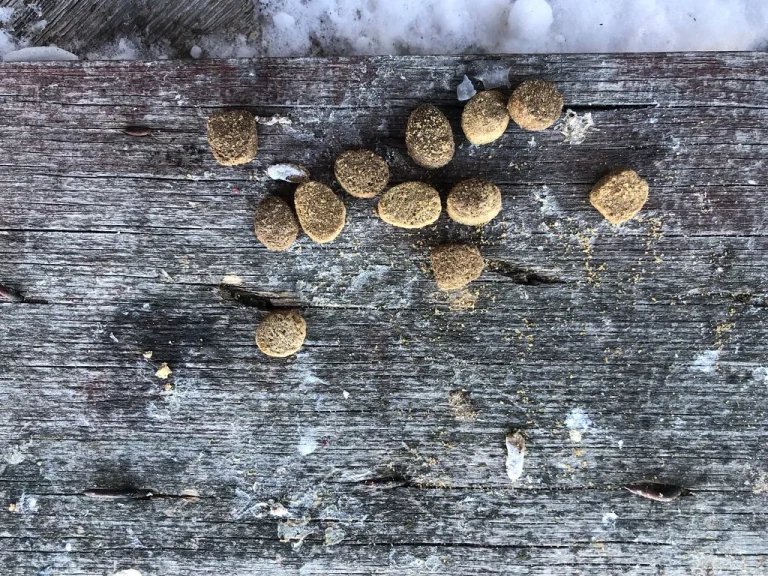
Image source: iNaturalist / Irene
Sunflower Seeds and Safflower Seeds
These are the backbone of most bird seed mixes. The seeds themselves are not toxic to dogs. They contain healthy fats and fiber.
The problem is the shell. Sunflower seed hulls are sharp and indigestible. In large amounts, they can cause a blockage in the intestines.
Small dogs are at higher risk.
Safflower seeds are smaller and softer. They are less likely to cause issues. Both are safe in small quantities, but avoid letting your dog eat the shells.
Cracked Corn and Millet
Cracked corn is mostly starch. It's not toxic, but it's also not nutritious for dogs. It can cause digestive upset if eaten in large amounts.
Millet is similar. Both are low risk unless your dog has a grain sensitivity or eats a huge amount.
Whole corn kernels are a different story. They can be a choking hazard, especially for small dogs. If your dog swallows one whole, it could block the airway or the digestive tract.
Suet and Peanuts (the Fat Risk)
Suet is rendered beef fat, often mixed with seeds and peanuts. It is extremely high in fat. One suet cake can contain more fat than a dog should eat in a week.
Dogs that eat suet or peanuts are at high risk for pancreatitis.
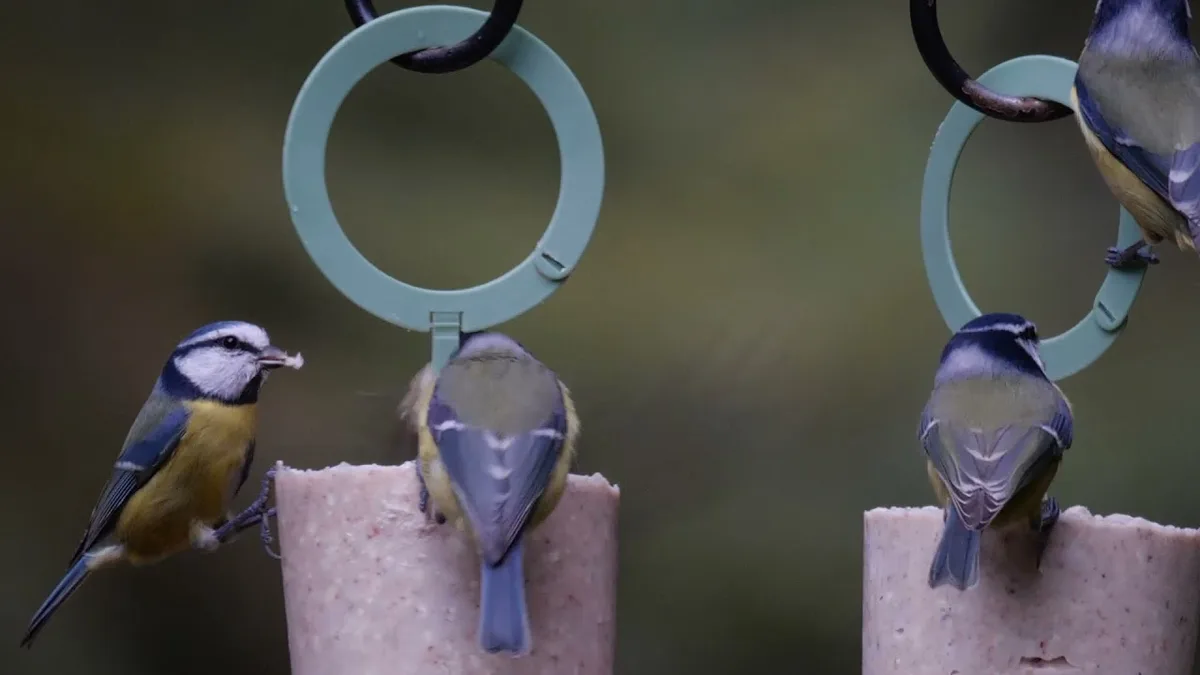
Image source: YouTube / Richard Jackson (YouTube thumbnail (fair-use with source credit))
Peanuts themselves are not toxic, but salted peanuts are dangerous. The salt content can cause sodium ion poisoning. Symptoms include vomiting, diarrhea, tremors, and seizures.
Always choose unsalted peanut blends if you have a dog.
If your dog is overweight or has a history of digestive issues, avoid suet and peanuts entirely. A low-fat diet is important for dogs prone to pancreatitis. You can check our guide on the best weight control dog food for more on managing fat intake.
Dried Fruit Blends (the Hidden Danger)
Some premium bird seed mixes include dried fruit like raisins, currants, and cranberries. Raisins are the most dangerous. They can cause acute kidney failure in dogs.
The exact toxin is still unknown, but the effect is well documented.
Cranberries are safe in small amounts. But many blends sweeten dried cranberries with sugar or other additives. Check the label.
If you see "dried fruit" without specifics, assume it contains raisins.
Common Mistakes Owners Make
Even well-meaning owners make mistakes. Here are the most common ones, so you can avoid them.
Mistake 1: Assuming a Little Bit Is Fine
A few sunflower seeds won't hurt most dogs. But a little bit of raisin or suet can. The dose makes the poison.
Always check the ingredient before assuming it's safe.
Mistake 2: Thinking All Bird Food Is the Same
Bird food varies wildly. A bag of straight millet is very different from a suet-and-raisin blend. Don't assume that because one brand is safe, another is too.
Read every label.
Mistake 3: Not Checking for Mold
Damp bird seed grows mold quickly. Moldy seed can produce mycotoxins that cause tremors and seizures. If the seed smells musty or looks dusty, toss it.
Your dog's safety isn't worth the risk.
Mistake 4: Waiting for Symptoms Before Calling the Vet
Some toxins, like raisins, don't cause symptoms until the kidneys are already damaged. If your dog ate raisins, call the vet immediately. Don't wait for vomiting or lethargy.
Mistake 5: Letting Your Dog Clean Up Under the Feeder
Spilled bird seed on the ground is a magnet for dogs. It's also a breeding ground for mold and bacteria. Sweep up spills regularly.
Better yet, place the feeder somewhere your dog can't reach.
If your dog has a sensitive stomach or a history of digestive issues, you might also want to consider a more controlled diet. Our guide on how to start a raw food diet for dogs walks through a low-risk alternative.
Signs of Trouble: What to Look for After Your Dog Eats Bird Food
Not every dog reacts the same way. Some show symptoms within 30 minutes. Others take up to 24 hours.
The key is knowing what to watch for and when to act.
Early Warning Signs (0 to 4 Hours)
The first signs are usually digestive. Your dog might vomit shortly after eating. You may see undigested seed hulls or corn kernels in the vomit.
Diarrhea can follow within a few hours.
Other early signs include excessive drooling, lip licking, and restlessness. Your dog might pace or seem unable to settle. These often mean nausea has set in.
Mid-Stage Signs (4 to 12 Hours)
If pancreatitis is developing, symptoms get more specific. Your dog may hunch their back or stretch out in a praying position. This posture often means abdominal pain.
Lethargy sets in. Your dog might refuse to play, eat, or drink. Some dogs hide or avoid contact.
If your dog normally greets you at the door and suddenly doesn't, pay attention.
Late-Stage or Severe Signs (12 to 24 Hours)
These are the red flags that need immediate veterinary care:
Tremors or muscle twitching
Seizures or loss of coordination
Yellowing of the eyes or gums (jaundice)
Blood in vomit or stool
Complete refusal of water
Collapse or inability to stand
If you see any of these, don't wait. Go to the emergency vet right away.
When Symptoms Don't Match the Ingredient
Here is the tricky part. Some toxins don't cause digestive upset at all. Raisin toxicity often shows up as increased thirst and urination, then a sudden drop in urine output.
That is kidney failure setting in.
Mold toxicity from mycotoxins can cause neurological symptoms without vomiting. Your dog might seem drunk or uncoordinated. You might not connect that to the bird seed they ate yesterday.
This is why it is critical to know what your dog ate. Symptoms alone don't tell the full story.
How to Stop Your Dog from Getting to Bird Food in the Future
Prevention is easier than treatment. Once you know how to manage the environment, you can let the birds eat without worrying about your dog.
Feeder Placement That Actually Works
Location is everything. Place bird feeders where your dog cannot reach the spilled seed. That means at least 10 feet from any fence or structure your dog can climb or jump.
Hanging feeders work better than tray feeders. The seed falls straight down into a contained area. You can place a catch tray underneath to catch spills.
Empty the tray weekly.
If your dog is small, mount feeders higher than they can jump. If your dog is large, put the feeder over a paved area where spilled seed is easy to sweep.
Chili-Coated Seed: Does It Really Deter Dogs?
Some bird seed blends are coated with chili pepper. Birds don't taste the capsaicin. Dogs and squirrels do.
The heat deters mammals without harming birds.
Does it work? Research shows it is effective for most dogs. The taste is unpleasant enough to stop them after one bite.
However, some determined dogs will eat through the discomfort.
A few warnings if you try this route. Chili-coated seed can cause mild eye and nose irritation if your dog sniffs it directly. It can also cause stomach upset if eaten in large amounts.
It is not toxic, but it is not pleasant either.
Consider it a tool, not a solution. Pair chili-coated seed with good feeder placement for best results.
Training Your Dog to Leave Bird Food Alone
The most reliable solution is training. A solid "leave it" command prevents your dog from eating anything off the ground. It works for bird seed, dropped medication, and random street finds.
Start with a low-value item in a controlled setting. Say "leave it." When your dog looks at you instead of the item, reward them. Gradually increase the value of the item and the distance.
For persistent dogs, a basket muzzle can prevent scavenging during walks. It allows panting and drinking but blocks eating. Use it as a temporary training tool.
Consistency matters. Every time your dog ignores spilled seed, reinforce the behavior. Within a few weeks, it becomes automatic.
If your dog has trouble adjusting to new foods or routines, understanding why they might refuse meals can help. Our guide on why dogs stop eating covers common causes and solutions.
Real Scenarios: What Other Dog Owners Have Faced
Real stories help put the risks in perspective. Here are three common situations that dog owners report to veterinarians and poison helplines.
Small Dog, Big Binge
A 12-pound Jack Russell terrier got into a 5-pound bag of black oil sunflower seeds. The owner came home to find the bag torn open and half the seeds gone. The dog vomited seed hulls for six hours.
The hulls caused a partial intestinal blockage. The dog needed fluids and anti-nausea medication at the vet. Recovery took two days and cost around $400.
The dog was fine, but it could have required surgery if the blockage had been complete.
What the owner learned: store bird seed in metal containers with locking lids. Plastic bags are not dog-proof.
The Raisin Scare
A 25-pound beagle ate a handful of premium bird seed mix that included dried raisins. The owner noticed when they saw red flecks in the seed on the floor. They called the vet immediately.
The vet induced vomiting within 90 minutes. They found partially digested raisins in the vomit. The dog received activated charcoal and IV fluids for 24 hours.
Blood work showed normal kidney function. Total cost was around $600.
What the owner learned: never buy bird seed with "dried fruit" on the label. Stick to plain seed mixes.
Chronic Feeder Scavenger
A 50-pound Labrador retriever spent months eating spilled seed under a feeder. The owner thought nothing of it. The dog gradually gained weight and developed a dull coat.
Blood work at the annual checkup showed elevated pancreatic enzymes.
The dog had subclinical pancreatitis. No vomiting or pain, but the pancreas was inflamed from the constant high-fat intake. A diet change and stopping access to bird seed resolved the issue in three months.
What the owner learned: even small amounts over time can cause problems. A high-fat diet for dogs needs careful management. Our guide on weight control dog food explains how to manage fat intake for dogs prone to weight gain.
FAQs About Dogs and Bird Food
Can dogs eat sunflower seeds from bird seed?
Yes, in small amounts. The seed itself is not toxic. The shell is the problem.
Sharp hulls can cause intestinal blockages. Stick to shelled kernels if you want to offer sunflower seeds as a treat.
What happens if my dog eats a suet cake?
Suet is extremely high in fat. It can cause pancreatitis within 12 to 24 hours. Symptoms include vomiting, abdominal pain, and diarrhea.
Small dogs and dogs with sensitive stomachs are at highest risk.
Is wild bird seed the same as pet bird seed?
No. Wild bird seed often contains high-fat ingredients like suet and peanuts. It may also include dried fruit.
Pet bird seed for parakeets or finches is usually milder. Always check the label.
How long after eating bird food would my dog get sick?
It depends on the ingredient. Digestive upset from fats or hulls can appear in 2 to 6 hours. Raisin toxicity may take 12 to 24 hours.
Mold toxin symptoms can appear within 30 minutes to 4 hours.
Should I induce vomiting if my dog ate bird food?
Only if a veterinarian or poison control tells you to. Some ingredients, like raisins, benefit from early vomiting. Others, like sharp seed hulls, can cause more damage coming back up.
Always call first.
Can bird food cause long-term health problems in dogs?
Yes. Chronic exposure to high-fat seed can lead to pancreatitis. Repeated raisin ingestion can cause kidney damage over time.
Regular consumption of seed hulls can cause intestinal scarring or blockages.
Your Quick Decision Guide: Is This an Emergency or Not?
Here is a simple decision tree to use when you catch your dog eating bird food. Read the conditions from top to bottom. If any condition in the first column applies, move straight to the emergency row.
If Your Dog Ate… And… Action
Raisins, currants, or grapes Any amount Emergency. Call vet immediately.
Moldy or spoiled seed Any amount Emergency. Call vet immediately.
Suet or suet pellets More than a few bites Emergency. Call vet within 1 hour.
Salted peanuts More than a handful Emergency. Call vet within 2 hours.
Sunflower seeds (with shells) Large amount or small dog Watch for blockage symptoms. Call vet if vomiting.
Millet or cracked corn Small to moderate amount Monitor. Usually safe.
Shelled sunflower seeds Any amount Low risk. No action needed.
Keep the Pet Poison Helpline number saved in your phone. The ASPCA Animal Poison Control Center (888-426-4435) is another option. Both are available 24 hours a day.
If you are ever unsure, call. It is better to make a call that turns out to be unnecessary than to wait until your dog is in serious trouble. A $85 consultation fee is cheaper than an emergency vet visit.
For dogs with ongoing dietary needs, a controlled feeding routine reduces the risk of scavenging. Our guide on how much fresh dog food to feed daily helps you establish a consistent schedule that keeps your dog full and less interested in bird food.