Best Dog Food for Diarrhea: Gentle Choices
When your dog has an upset stomach, you're probably wondering what is the best food for dogs with diarrhea. It's a frustrating situation for both of you, and you want to get them back to feeling their best as quickly as possible.
The right dietary approach can make a huge difference, but it's crucial to understand what's causing the diarrhea in the first place. Our research confirms that while many foods can soothe an upset tummy, a proper diagnosis from a veterinarian is always the first step, especially since canine diarrhea can signal conditions requiring prompt medical attention.
Why Accurate Digestion Advice for Dogs Matters
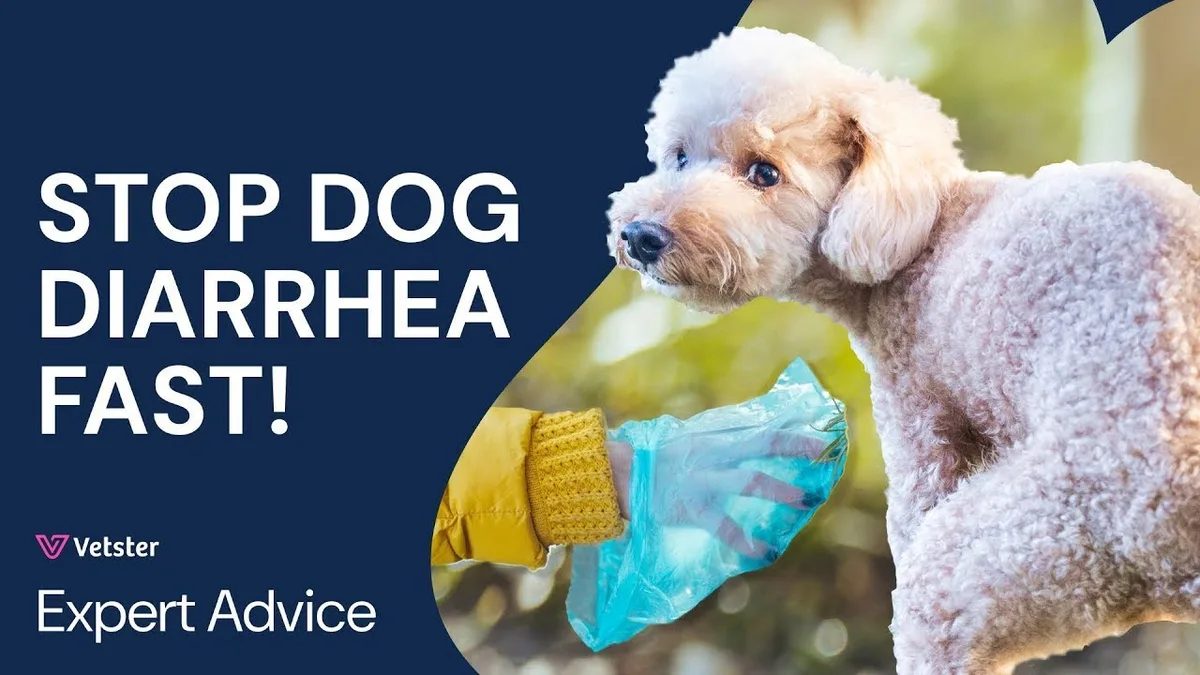
Image source: YouTube / Ask Vetster: Online Vet Advice (YouTube thumbnail (fair-use with source credit))
When your dog is dealing with diarrhea, it’s more than just a messy inconvenience; it’s a clear sign their digestive system is out of whack. This can range from a mild, temporary upset to something more serious that needs professional help. Providing the wrong food can actually make things worse, prolonging discomfort or even masking a deeper health issue.
For instance, giving a dog a fatty or rich treat when their gut is already inflamed is like adding fuel to the fire.
Our research indicates that understanding the nuances of canine digestion is key. While many general pet advice sites might offer generic tips, the specifics of what constitutes the "best food" depend heavily on the underlying cause of the diarrhea. According to standards set by the American Veterinary Medical Association (AVMA), prompt veterinary consultation is advised for persistent or severe digestive distress, especially if accompanied by other symptoms like lethargy or vomiting.
Quick Answer
The best food for dogs with diarrhea is typically a highly digestible, low-fat, bland diet prescribed or recommended by a veterinarian. Key ingredients often include boiled white chicken or lean ground turkey with plain white rice. Prescription veterinary diets formulated for gastrointestinal upset are also highly effective choices.
Your Dog's Upset Tummy: What's Really Going On?
When your dog’s digestive system isn't happy, diarrhea is often the most visible symptom. But what does that really mean for their health? Think of a dog's gut like a finely tuned engine; when something's off, even a small thing, the whole system can sputter.
Diarrhea happens when food moves through the intestines too quickly, or when the gut struggles to absorb water and nutrients properly.
This speed-up or absorption issue can stem from a variety of sources. It could be something as simple as they ate something they shouldn't have, a dropped piece of food off the counter, or perhaps some tempting garden greenery. Sometimes, it's a reaction to a sudden change in their regular food, which is why /[will changing dog food cause diarrhea/ is such a common question.
Other times, it signals something more concerning, leaning towards infections, parasites, or even chronic conditions like inflammatory bowel disease. Without a vet's input, you're essentially guessing at the root cause.
The Quick-Fire Basics: What NOT to Feed a Dog with Diarrhea
When your dog is unwell, your instinct is to help them, and food is a common way we show care. However, with diarrhea, certain foods can actively hinder recovery. It's crucial to steer clear of anything that puts extra strain on an already sensitive digestive tract.
This means immediate removal of rich, fatty, or overly processed foods from their diet.
Here's a quick rundown of foods to avoid:
- Fatty Foods: This includes table scraps like bacon grease, fatty cuts of meat, or rich gravies. High fat content is very difficult for an inflamed gut to digest and can worsen loose stools significantly.
- Spicy or Seasoned Foods: Anything with added spices, onions, garlic, or strong flavors is a definite no-go. Many of these ingredients are toxic to dogs as well as irritating.
- Dairy Products: Most adult dogs are lactose intolerant. Milk, cheese, and yogurt (unless specifically a probiotic supplement recommended by a vet) can contribute to digestive upset and diarrhea.
- Processed Treats and Chews: Many commercial dog treats and rawhide chews are loaded with additives, artificial colors, and complex ingredients that can be too much for a sensitive system. Even seemingly plain biscuits can contain hidden irritants.
- Raw Foods (generally): While some dogs thrive on a raw diet, it's generally not recommended during an acute bout of diarrhea unless specifically advised by a veterinarian. Raw foods can sometimes harbor bacteria that, while normally benign for a healthy dog, could complicate an already compromised system.
This is why understanding the principles behind a bland diet, which we'll explore next, is so important. It’s about providing easily digestible nutrients without overwhelming their system.
When to Hit the Vet: Red Flags You Can't Ignore
While mild, short-lived diarrhea in an otherwise healthy, active dog might resolve on its own, there are critical signs that mean you absolutely need to call your veterinarian. Ignoring these could delay essential treatment. It's always better to err on the side of caution when your furry friend isn't feeling well.
Keep an eye out for these warning signs:
- Diarrhea Lasting More Than 24-48 Hours: If loose stools persist beyond a day or two, it indicates the issue isn't minor and warrants professional assessment.
- Blood in Stool: This can appear as bright red streaks or dark, tarry-looking stool. It's a serious sign that your dog's intestines may be significantly irritated or injured.
- Vomiting Alongside Diarrhea: When both symptoms occur together, it significantly increases the risk of dehydration and can point to a more serious gastrointestinal blockage or illness.
- Lethargy or Weakness: A dog that is unusually tired, listless, or unwilling to move may be suffering from dehydration or a more systemic illness.
- Loss of Appetite or Refusal to Drink: If your dog isn't eating or drinking, they aren't getting the necessary hydration and nutrients, which can quickly lead to serious complications.
- Fever or Abdominal Pain: Signs like a hot nose and ears, or a dog seeming uncomfortable when you touch their belly, suggest inflammation or infection.
- Young Puppies or Very Old Dogs: Puppies and senior dogs have less resilient immune systems and can deteriorate much faster. Any sign of diarrhea in these age groups warrants immediate veterinary attention.
If you observe any of these symptoms, don't delay in contacting your veterinarian. They can perform diagnostic tests to determine the cause and recommend the appropriate treatment plan, which often begins with dietary adjustments.
Building a Bland Diet: The Vet-Approved Approach
When a vet recommends a bland diet for your dog, they're looking for something that's easy to digest and won't irritate their already upset stomach. The goal is to give their digestive system a much-needed break while still providing essential nutrients. Think of it as a soft, digestible reboot for their gut.
This diet is usually temporary, lasting only a few days until symptoms improve.
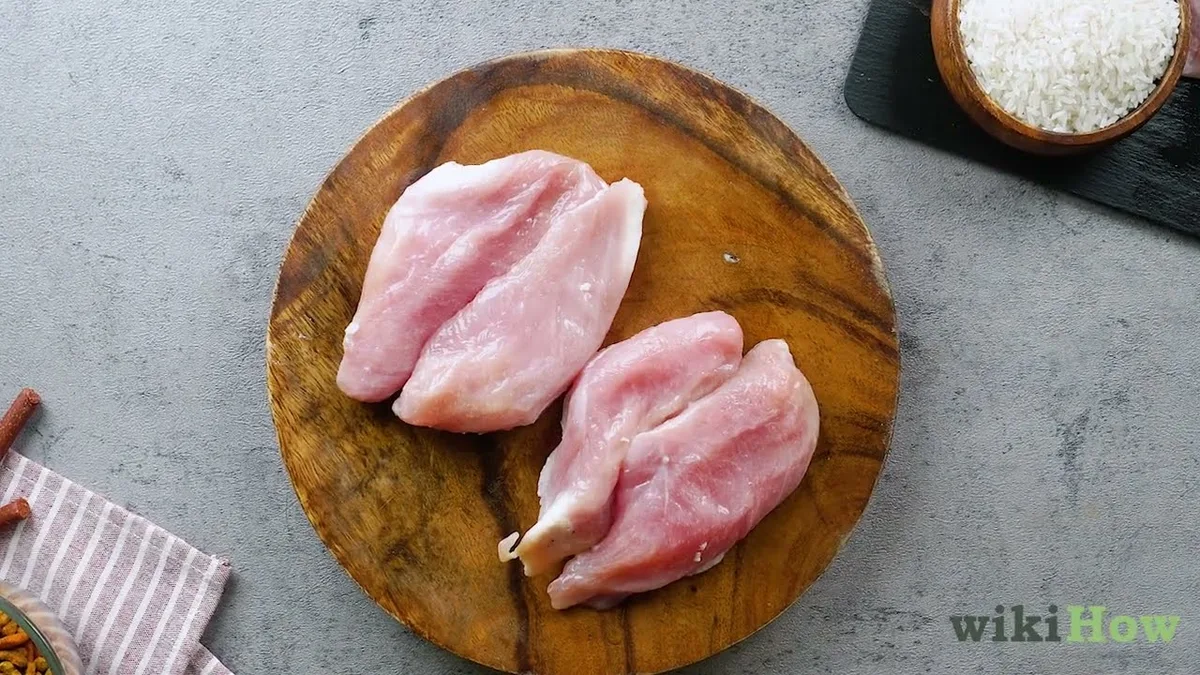
Image source: YouTube / wikiHow (YouTube thumbnail (fair-use with source credit))
The core components of a vet-approved bland diet typically focus on lean protein and simple carbohydrates.
Core Food Components: Digestible Proteins and Carbs
- Lean Proteins: The go-to protein source is usually boiled, skinless white chicken breast or lean ground turkey. These are cooked thoroughly without any added fats, seasonings, or oils. The lean nature is key, as fat is harder to digest and can exacerbate diarrhea. For dogs with certain protein sensitivities, lamb might be an alternative, but it's crucial this is also lean and prepared simply.
- Simple Carbohydrates: Plain white rice, cooked until very soft and mushy, is the most common carbohydrate. It's easily digestible and helps bind stools. Sometimes, very plain mashed potatoes (without skin or butter) or cooked sweet potato (plain) can be used, but white rice is generally preferred due to its lower fiber content and higher digestibility.
When preparing this diet, consistency is important. For smaller dogs or those with very sensitive stomachs, you might even mash the rice and mix it thoroughly with the finely shredded or ground chicken. Serving it lukewarm is also best, as extremely hot or cold food can shock an already sensitive system.
What to Absolutely Leave Out
Beyond the general 'no-go' list, when building a bland diet specifically, you must be vigilant about what not to add.
- No Bones or Fat: Even small amounts of fat from the meat or any bone fragments can cause significant issues. Always trim fat meticulously and feed only boneless meat.
- Absolutely No Seasonings: Salt, pepper, garlic powder, onion powder, herbs, or any other spices are strictly forbidden. Many common seasonings are toxic to dogs and will further irritate their digestive tract.
- No Oils: Don't add any cooking oils, butter, or margarine. The lean protein should provide enough natural moisture.
- No Other Vegetables or Grains: Stick to the approved carbohydrates; avoid peas, carrots, corn, or other grains unless specifically directed by your vet.
The idea is to simplify their diet to the absolute basics, making it as easy as possible for their digestive system to process and recover. Transitioning back to their normal food should be done gradually, mixing increasing amounts of the regular food with decreasing amounts of the bland diet over several days, as advised by your vet. This helps prevent a relapse.
If you're considering alternative feeding methods like fresh or raw diets, it's important to understand their nuances; for example, /[is pet fresh dog food worth the hype/, and to know /[how to start raw food diet for dogs/ if you plan to go that route long-term.
Veterinary Prescription Diets: When They're the Top Choice
Sometimes, the best food for a dog with diarrhea isn't something you can whip up in your own kitchen. Veterinary prescription diets are specially formulated foods designed to address specific health issues, including severe or chronic gastrointestinal distress. These aren't your average over-the-counter dog foods; they are created with very precise nutritional profiles and highly digestible ingredients, often under strict scientific and veterinary guidance.
Image source: YouTube / AnimalDocRea (YouTube thumbnail (fair-use with source credit))
These diets are typically recommended by veterinarians when a dog's diarrhea is persistent, severe, or linked to a diagnosed condition such as inflammatory bowel disease (IBD), pancreatitis, or significant food sensitivities. They undergo rigorous testing to ensure they meet specific therapeutic goals, unlike many commercial dog foods aimed at general nutrition.
Here’s why these specialized diets are often the most effective choice:
- Highly Digestible Ingredients: Prescription foods use novel or hydrolyzed proteins and easily digestible carbohydrate sources. Hydrolyzed proteins are broken down into such small molecules that the dog's immune system doesn't recognize them as allergens, which is critical for managing severe food sensitivities. Ingredients might include sources like duck, venison, or specific types of fish, processed in ways that make them very easy for a compromised gut to absorb.
- Controlled Fat Levels: They are typically very low in fat. High fat content is a common trigger for diarrhea and can overwhelm the pancreas if a dog has pancreatitis. Prescription GI diets are formulated to provide energy without relying heavily on fats.
- Specific Nutritional Support: Many of these diets also contain targeted nutrients to help repair the gut lining, support the immune system, and manage inflammation. This can include prebiotics and probiotics, specific fatty acids like omega-3s, and antioxidants.
- Consistency in Formulation: Unlike home-cooked meals or even many commercial foods, prescription diets are manufactured under stringent quality control to ensure every batch has the exact same nutritional profile. This consistency is vital for dogs with sensitive systems who can react poorly to even minor variations in their food.
What Is the Best Weight Control Dog Food in 2026?
When your dog is overweight, finding the right food is key to their health, just like with digestive issues. A good weight control dog food is designed to be lower in calories and fat while still providing essential nutrients and fiber to help your dog feel full. These foods often rely on higher-quality protein to maintain muscle mass during weight loss and may include added fiber to promote satiety.
Some formulations also incorporate ingredients that support joint health, as excess weight puts extra strain on a dog's joints. When choosing a weight management food, it’s important to consider the specific needs and breed of your dog. As of 2026, many brands offer specialized formulas that cater to these varying requirements.
How Much Fresh Dog Food to Feed Your Dog Daily
Figuring out the correct portion size for any dog food is important for their overall health and well-being. With fresh dog food, which is often less calorically dense than traditional kibble, the amount you feed daily will depend on your dog's age, activity level, metabolism, and specific health goals. It’s generally recommended to feed around 1.5% to 2% of your dog's ideal body weight in fresh food, but this can vary significantly.
Consulting your veterinarian or a certified pet nutritionist is the best way to determine the precise daily intake for your specific dog, ensuring they receive adequate nutrition without over or underfeeding.
The Home-Cooked Bland Diet: A Practical Alternative
Sometimes, getting a prescription diet might take time your dog doesn't have, or perhaps you're looking for a more readily available solution under veterinary guidance. A home-cooked bland diet can be a practical, temporary fix. It follows the same principles as the vet-approved bland diet: easily digestible ingredients that won't further irritate an inflamed gut.
This approach requires careful preparation and strict adherence to guidelines to be effective and safe. It’s crucial that this is only undertaken if your veterinarian has given you the go-ahead, as incorrect preparation or ingredient choices can do more harm than good. Remember, this is a short-term solution, not a long-term feeding plan.
When is a Home-Cooked Bland Diet Recommended?
Your vet might suggest a home-cooked bland diet in a few specific scenarios. If your dog has had a sudden bout of diarrhea due to dietary indiscretion (eating something they shouldn't have) and is otherwise stable, a few days of a simple home-cooked meal can help their system reset. It's also a good option if getting to a pet supply store for a specialized veterinary diet is delayed.
However, this is not a free pass to experiment. If your dog has a chronic condition, a history of pancreatitis, or severe food allergies, relying on a precise veterinary prescription is almost always the better, safer choice. Homemade diets lack the guaranteed nutritional completeness and consistency of commercial prescription foods for ongoing use.
Probiotics & Digestive Aids: What the Science Says
Beyond the main food components, there's a role for supplements in helping your dog's digestive system recover. Probiotics, often called "good bacteria," are live microorganisms that are meant to benefit your dog's gut health. They can help restore the balance of the gut microbiome, which can be disrupted by illness or stress.
It's important to use probiotics specifically formulated for dogs. Human probiotics might not be suitable or effective for canine digestive systems. Our research indicates that when used appropriately and under veterinary guidance, probiotics can be a valuable addition to aid recovery from diarrhea, though they are not a standalone treatment.
Other digestive aids, like certain types of fiber (e.g., psyllium husk, in carefully controlled amounts) or digestive enzymes, may also be recommended by your vet. These can help normalize stool consistency and support overall gut function. Always discuss any supplement use with your veterinarian to ensure it's appropriate for your dog's specific condition and won't interfere with any other treatments.
Transitioning Back to Normal Food: Doing It Right
Once your dog's diarrhea has resolved and they've been eating a bland diet for a few days, the next crucial step is reintroducing their regular food. Doing this too quickly is a common mistake that can easily trigger a relapse of diarrhea. Think of it as slowly waking up a sensitive system, rather than shocking it back into action.
The process should be gradual, typically over 3 to 7 days.
- Day 1-2: Mix 75% bland diet with 25% of their normal food.
- Day 3-4: Increase to 50% bland diet and 50% normal food.
- Day 5-6: Switch to 25% bland diet and 75% normal food.
- Day 7 onwards: Gradually return to 100% their regular diet, provided stool consistency remains normal.
Monitor your dog closely during this transition. If you notice any return of soft stools or diarrhea, slow down the process and return to the previous ratio for a day or two before trying again. This careful reintroduction helps their digestive system adjust without being overwhelmed.
If you're considering long-term feeding changes, exploring options like /[how to transition dog to raw food/ requires a similar methodical approach.
Common Mistakes Owners Make with Dog Diarrhea Diets
Owners often make a few common missteps when trying to manage their dog's diarrhea through diet, which can hinder recovery. One of the most frequent errors is offering too much variety too soon. Variety might be the spice of life, but for a dog’s sensitive gut, it’s an unnecessary risk.
Here are some of the key mistakes to avoid:
- Too Much Fat: Reintroducing a regular food that is high in fat, or adding fatty table scraps or oils, is a major trigger for recurring digestive upset. Always opt for lean protein sources and low-fat foods during recovery and even long-term if your dog has a history of pancreatitis.
- Sudden Food Changes: As mentioned, switching back to normal food too abruptly is a direct path to digestive distress. A slow, phased transition is paramount.
- Ignoring Veterinary Advice: Relying solely on online articles or a friend's advice instead of consulting a veterinarian can be dangerous. What works for one dog may not work for another, and serious underlying conditions can be missed. For example, blindly feeding a dog with suspected IBD could worsen their condition without proper medical diagnosis and treatment.
- Feeding "Human" Food Scraps: While tempting, giving dogs table scraps, even if they seem mild, can introduce problematic ingredients like spices, excessive salt, or fats that aren't suitable for their digestive system, especially when they are unwell.
- Not Ensuring Adequate Hydration: Diarrhea leads to rapid fluid loss. While not directly a food choice, ensuring your dog has constant access to fresh water is critical. For severe cases, a vet might recommend electrolyte solutions.
Expert Strategy: Handling Sensitive Stomachs Long-Term
Managing a dog with a sensitive stomach or a history of digestive issues is an ongoing commitment. It’s not just about treating the acute episodes but implementing strategies to prevent them. This often involves carefully selecting their regular diet and understanding what triggers flare-ups.
First and foremost, if your dog has recurring digestive problems, work closely with your veterinarian. They can help identify potential underlying causes through diagnostics and recommend a long-term feeding plan. This might involve a high-quality food specifically designed for sensitive systems or even limited-ingredient diets for dogs with allergies.
Here are some expert strategies for long-term digestive health:
- Choose a High-Quality, Digestible Diet: Look for dog foods with a primary source of lean protein (like chicken, turkey, or lamb) and easily digestible carbohydrates (like rice or oats). Avoid foods with excessive fillers, artificial colors, or flavors. Some specialized foods aim to support /[what makes senior dog food different/, which might be relevant if you have an older dog.
- Avoid Sudden Diet Changes: Always transition to a new food gradually over a week to allow their system to adapt. This is a fundamental step to prevent digestive upset.
- Limit Treats and Table Scraps: Be very selective about treats. Opt for healthy, single-ingredient treats or those specifically formulated for dogs with sensitive stomachs. Absolutely avoid giving them human food from your plate, as it's often too rich or contains ingredients toxic to dogs.
- Consider Probiotics: Long-term use of a good quality probiotic specifically for dogs can help maintain a healthy gut flora, supporting consistent digestion.
- Regular Vet Check-ups: Routine veterinary visits are essential for monitoring your dog's health, identifying potential issues early, and adjusting their diet or treatment plan as needed. If your dog suddenly stops eating, /[why won't my dog eat food/ is a critical question to address with your vet, as it can signal deeper issues.
Real Scenarios: What Happens When Diet Goes Wrong
Even with the best intentions, dog owners can sometimes make dietary mistakes that lead to digestive upset. Consider a scenario where a dog owner, wanting to pamble their pet, offers them leftover stew filled with rich gravy and fatty vegetables. The dog, already prone to a sensitive stomach, then experiences a severe bout of diarrhea and vomiting, requiring an emergency vet visit.
This highlights how human food, even if seemingly harmless, can be detrimental.
Another common situation involves owners switching their dog's food too abruptly to a new, highly-touted brand. Without a gradual transition, the dog's gut flora struggles to adapt. This can result in anywhere from mild loose stools to outright diarrhea, often leading the owner to incorrectly blame the new food entirely, rather than the abrupt change itself.
These cases underscore the importance of careful dietary management.
FAQs
How long does a dog typically have diarrhea when on a bland diet?
A dog's diarrhea should start to improve within 24 to 48 hours of starting a veterinarian-approved bland diet. If symptoms persist beyond two days, it's essential to consult your vet again, as the diet may need adjustment or a different underlying issue needs to be addressed.
Can I feed my dog wet food when they have diarrhea?
Generally, plain, low-fat, highly digestible wet food specifically formulated for sensitive stomachs or prescribed by a vet can be suitable. However, avoid rich, fatty, or heavily seasoned wet foods. Plain cooked chicken and rice is often preferred for acute cases due to its simplicity.
How much bland diet should I feed my dog?
The amount depends on your dog's typical food intake and size, but it's usually served in smaller, more frequent meals. For example, instead of two larger meals, offer three or four smaller portions throughout the day. Your veterinarian will provide specific feeding guidelines based on your dog's needs.