Dry Dog Food Making Revealed
Ever wondered how that bag of kibble on your counter got its uniform shape and crunch? Understanding how dry dog food is made starts with a fascinating look into food science and industrial processes. It’s not as simple as mixing ingredients; a precise, high-heat cooking method transforms raw components into nutrient-dense, shelf-stable food.
The journey from raw ingredients to the final kibble involves several critical stages, primarily centered around a process called extrusion. This method ensures that the food is both digestible and palatable for dogs, while also meeting stringent safety standards, like those overseen by the U.S. Food and Drug Administration (FDA) for pet food safety.
Let's break down each step.
Quick Answer
Dry dog food is made through a process called extrusion cooking. Ingredients are ground, mixed with liquids, and then forced through an extruder under high heat and pressure. This cooks the mixture, forms the kibble shape, and expands it.
The kibble is then dried, cooled, and coated with flavors and nutrients before packaging. This method ensures a shelf-stable, digestible, and palatable food for dogs.
Understanding the Extrusion Process: How Kibble Takes Shape
The core of dry dog food manufacturing is the extrusion process. Think of it as a high-tech, high-pressure cooking and shaping system. This isn't just baking; it’s a method that gelatinizes starches and denatures proteins, making them easier for a dog's digestive system to break down.
The extruder itself is a piece of specialized machinery that essentially cooks the food dough under intense conditions.
At its heart, extrusion involves forcing a pre-conditioned mixture of ingredients through a die at the end of a barrel. The barrel contains rotating screws that push the dough forward. As it travels, it's subjected to friction and heat from both the screws and external sources, reaching temperatures that effectively "cook" the food.
The pressure builds up significantly inside the barrel, and when the mixture is forced through the shaped openings of the die, the sudden drop in pressure causes it to expand, forming the characteristic kibble shape.
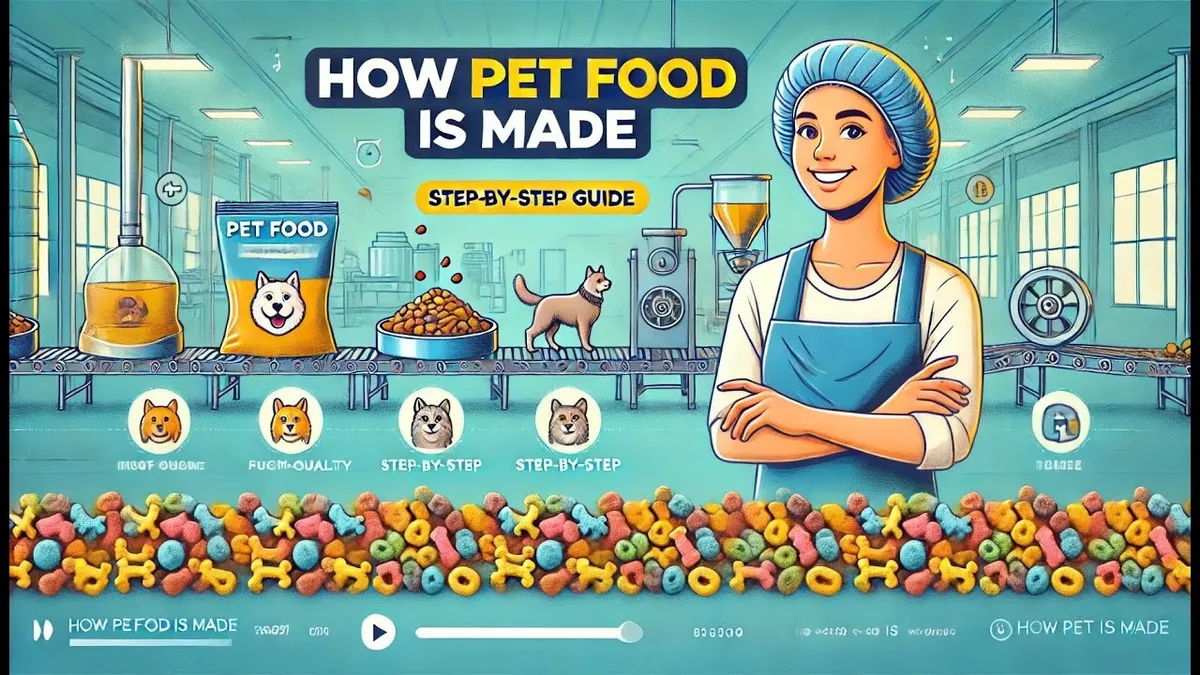
Image source: YouTube / EBF extrusion and pelleting (YouTube thumbnail (fair-use with source credit))
This process is crucial for several reasons. It ensures that all ingredients are thoroughly cooked, killing potential pathogens and making nutrients more bioavailable. The expansion also creates the kibble's porous, crunchy texture, which dog owners often seek for dental benefits and shelf-stability.
The shape of the die can be changed to produce different kibble sizes and forms, catering to various breeds and preferences.
The Ingredients That Go Into Your Dog's Bowl
Every bag of dry dog food starts with a carefully selected blend of ingredients, formulated to meet specific nutritional needs. These fall into a few key categories: protein sources, carbohydrates, fats, vitamins, and minerals. The exact composition varies widely depending on the brand, the target dog life stage (puppy, adult, senior), and any special dietary requirements, like weight control or sensitive stomachs.
Protein is usually derived from named meat sources such as chicken, beef, lamb, or fish. Sometimes, meat meals (highly concentrated protein derived from animal tissue after fat and water have been removed) are used for their concentrated nutrient profile. Carbohydrates come from grains like corn, wheat, or rice, or alternative sources like peas, potatoes, or sweet potatoes, providing energy.
Fats, essential for energy, nutrient absorption, and coat health, are typically from animal fats or plant-based oils like sunflower or flaxseed oil.
Image source: YouTube / Veterinary Secrets (YouTube thumbnail (fair-use with source credit))
Vitamins and minerals are added to ensure the food is nutritionally complete, meeting or exceeding the standards set by organizations like the Association of American Feed Control Officials (AAFCO). These can include essential amino acids, calcium, phosphorus, and a broad spectrum of vitamins from A to E. Other components might include fiber sources for digestive health, antioxidants, and palatability enhancers.
The quality and sourcing of these ingredients are what differentiate premium foods from standard options, and understanding how is dry dog food made helps appreciate the importance of each component.
The Step-by-Step Journey of Kibble Production
Turning raw ingredients into a finished product involves a series of coordinated steps, each critical for the final quality and nutritional integrity of the food. It’s a carefully controlled industrial process designed for efficiency and consistency, ensuring that every batch meets the same high standards. We’ve already touched on extrusion, but let’s walk through the entire production line.
Ingredient Preparation: Grinding and Mixing
Before any cooking happens, the solid ingredients need to be prepared. Grains, meat meals, and other dry components are first ground into a fine powder or meal. This increases their surface area, making them easier to mix thoroughly and digest.
Think of it like grinding flour from wheat berries.
Following grinding, all the dry ingredients are combined in large industrial mixers. This is where the precise nutritional formula comes into play. All the necessary vitamins, minerals, and amino acids are added at this stage.
After the dry components are well blended, liquid ingredients like water, fats, and sometimes flavor enhancers are added to create a uniform dough or slurry. Ensuring an even distribution of all components in this mix is vital for the final product's nutritional balance.
The Heart of It All: The Extrusion Cooker
This is where the magic, or rather, the science, happens. The dough-like mixture is fed into the extrusion cooker, a sophisticated piece of equipment. Inside the extruder, a series of rotating screws push the mixture through a heated barrel.
The combination of mechanical action from the screws and pre-set barrel temperatures creates high heat and pressure. This cooking process cooks the starches, making them digestible, and denatures the proteins, unlocking their nutritional value. The pressure builds until the mixture is forced through a shaped die at the end of the extruder.
As the dough exits the die, the rapid release of pressure causes it to expand, forming the recognizable kibble shape. The shape and size of the kibble are determined by the die plates used.
Cutting the Kibble to Size
As the expanded kibble emerges from the extruder die, it needs to be cut into individual pieces. A rotating knife assembly is positioned directly against the die face. These knives spin at high speed, slicing off the extruded material as it exits.
The speed of the knives and the rate at which the dough is pushed through the die determine the length of each kibble piece, allowing manufacturers to produce different sizes suitable for various dog breeds, from tiny bites for small dogs to larger chunks for giant breeds. This cutting step is continuous and happens right as the kibble is formed.
Drying: Achieving That Crisp Texture
The kibble coming out of the extruder is still relatively moist (often around 20-30% moisture content). If left like this, it would spoil quickly and wouldn't have the desirable crunchy texture. Therefore, the next crucial step is drying.
The freshly cut kibble pieces are transferred to large industrial dryers, often rotary dryers or conveyor belt dryers. Here, they are exposed to carefully controlled hot air for a specific period. The goal is to reduce the moisture content down to about 10% or less.
This low moisture level is key to the kibble's long shelf life and resistance to spoilage and mold.
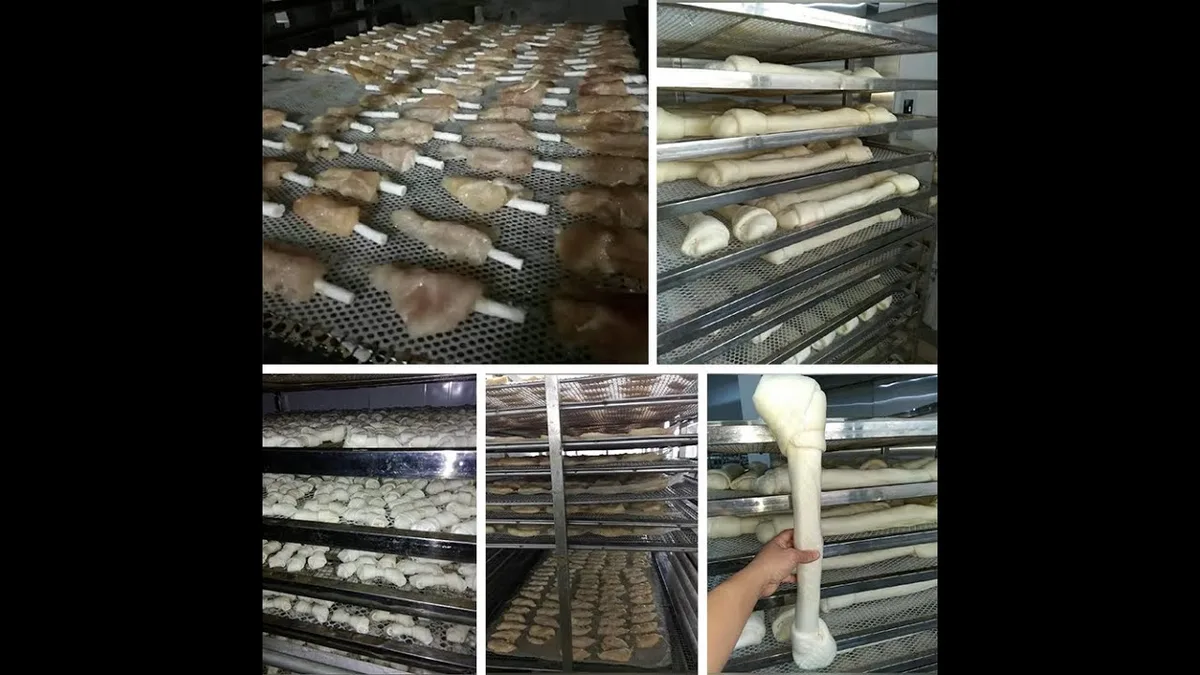
Image source: YouTube / Industrial Food Drying Machine (YouTube thumbnail (fair-use with source credit))
The temperature and duration of the drying process are critical. Too high a temperature or too long a period can degrade heat-sensitive vitamins and nutrients. Conversely, insufficient drying means the product won't be shelf-stable.
Manufacturers rigorously test and monitor these parameters to ensure safety and quality.
Cooling and Coating: Adding Flavor and Nutrients
After drying, the kibble is still quite warm. It needs to be cooled down to room temperature before it can be packaged. This is typically done in cooling tunnels or specialized cooling towers where ambient or chilled air is circulated around the kibble.
Rapid cooling also helps maintain the kibble's crispness.
Once cooled, the kibble is ready for its final coating. This is often where much of the palatability and additional nutrient value is added. Fats, oils, digestive aids, and flavor enhancers are sprayed onto the surface of the kibble in a rotating drum or tumbling mixer.
This ensures an even distribution and coats each piece. This coating step is vital not only for making the food appealing to dogs but also for adding essential fatty acids and specific functional ingredients that might not survive the high heat of extrusion.
Visual Cues: What to Look For in Kibble
When you pick up a bag of dry dog food, a quick visual inspection can tell you a surprising amount about its potential quality. While you can't see every internal ingredient, the appearance of the kibble itself offers clues about the manufacturing process and the care taken during production. This is especially helpful when comparing different brands or considering if a food is a good fit for your pet.
Recognizing Quality Kibble
High-quality dry dog food kibble typically has a uniform color and size, reflecting a precise extrusion and cutting process. The color will vary depending on the ingredients, lighter browns often come from grains and poultry, while darker browns might indicate the inclusion of meat meals, molasses, or certain natural colorings. A consistent shade across the batch is a good sign.
The kibble should look crisp and dry, not shiny or greasy, unless a specific oil coating has been applied intentionally. There shouldn't be excessive dust or fine particles at the bottom of the bag, which can indicate crumbling during manufacturing or handling, potentially leading to wasted food.
Common Kibble "Mistakes" You Might See
Sometimes, the appearance of kibble can signal underlying issues. Excessive dust or powder at the bottom of the bag is a common indicator of crumbling. This can happen if the kibble was over-dried, cooled too rapidly, or handled too roughly during packaging.
A kibble that looks excessively shiny or leaves a strong oily residue on your hands might be over-coated with fat, potentially making it too calorie-dense or prone to rancidity if not stored properly. Conversely, kibble that looks pale and underdeveloped might not have been cooked thoroughly or properly expanded, suggesting a less efficient extrusion process.
Why Visually Understanding Kibble Matters
Understanding the visual characteristics of kibble helps as a consumer to indirectly assess the manufacturing quality. For instance, a consistent kibble size and shape, as achieved by a well-maintained extrusion die and cutting system, means each piece delivers a predictable amount of nutrition. It also impacts the palatability.
If you've ever wondered why is dry dog food made a certain way, the visual outcome is directly linked to the science behind it.
The texture, indicated by how dry and crisp it looks, is also a key factor. A well-dried kibble is less prone to mold and spoilage, ensuring that the product remains safe and nutritious until the expiration date. Observing these visual cues can give you confidence in the product or prompt further investigation into the brand's manufacturing practices.
Dry Dog Food vs. Other Food Types
When it comes to feeding your dog, kibble is just one of several popular options available. Each type of dog food, dry, wet, semi-moist, and raw diets, has its own manufacturing process, nutritional profile, and use cases. Understanding these differences can help you make the best choice for your furry friend's health and your lifestyle.
Dry Dog Food (Kibble): As we've explored, this is made through high-heat extrusion, resulting in a dense, crunchy form. It's highly shelf-stable, convenient for storage and feeding, and generally the most cost-effective option. Its low moisture content is excellent for long shelf life but means dogs need to drink more water.
Wet Dog Food (Canned): This food has a much higher moisture content, typically 70-80%. It's made by combining ingredients, filling them into cans, sealing them, and then heating the sealed cans to cook the food. This process, known as retorting, also provides long shelf stability. Wet food is often more palatable to dogs and can be beneficial for dogs needing extra hydration or those with dental issues, but it's usually more expensive and has a shorter shelf life once opened. If you're wondering how many cans of wet food for a dog, it depends heavily on their size and activity level.
Semi-Moist Dog Food: This type falls in between dry and wet in terms of moisture content, usually around 20-40%. It’s made with cooking and drying methods similar to kibble but retains more moisture, often through the addition of humectants. It tends to be highly palatable but may contain more preservatives and sugars.
Raw Dog Food Diets: These diets consist of uncooked ingredients, typically a mix of raw meat, organs, and bones, often supplemented with vegetables and fruits. The "manufacturing" here is minimal, often just combining ingredients or freeze-drying them for convenience. While proponents cite evolutionary benefits, raw diets carry a higher risk of bacterial contamination for both pets and humans, and require careful formulation to be nutritionally balanced. Transitioning to such a diet needs careful planning, as illustrated in guides on how to start raw food diet for dogs.
Who Needs to Know How Dog Food is Made?
The knowledge of how is dry dog food made isn't just for pet food manufacturers. This understanding is valuable for a range of people involved in canine care. For pet owners, knowing the process behind their dog's food can empower them to make more informed purchasing decisions.
It shines a light on why certain ingredients are chosen, how nutrients are preserved, and what contributes to a food's shelf life and texture. This insight can be particularly useful for owners of dogs with specific dietary needs, like those needing weight management as discussed in guides on what is the best weight control dog food in 2026, or dogs that might require specific nutrient profiles as seen in discussions about what makes senior dog food different.
Beyond the average pet parent, breeders and kennel operators benefit greatly from this knowledge. They often feed a large number of dogs and need cost-effective, convenient, and reliably nutritious food. Understanding the production process helps them choose bulk options that meet their dogs' diverse needs, from puppies to adults.
Likewise, veterinarians and veterinary technicians improve their ability to counsel clients on nutrition. They can explain the pros and cons of different food types and manufacturing methods, offering tailored advice based on a dog’s health status, age, and breed. For example, understanding kibble production can help explain why changing a dog's food suddenly might cause digestive upset, a topic often covered in guides on will changing dog food cause diarrhea 2026.
Ultimately, anyone invested in a dog's long-term health and well-being can gain actionable insights from understanding the science behind their food.
Mistakes to Avoid in Kibble Production
Making dry dog food involves precise processes, and straying from these can lead to a substandard or even unsafe product. One of the most common mistakes is inconsistent ingredient measurement. If the ratios of proteins, carbs, fats, vitamins, and minerals aren't exact, the final kibble might not meet its nutritional label claims.
This can have long-term health consequences for dogs, impacting everything from coat health to organ function.
Another significant pitfall is improper temperature control during the extrusion and drying phases. If the extrusion temperature is too low, starches won't gelatinize properly, making the food less digestible. Too high a temperature, or drying for too long, can degrade heat-sensitive vitamins, rendering them less effective.
Similarly, insufficient drying leaves too much moisture, which can lead to mold growth and spoilage, significantly shortening the product's shelf life. As of 2026, manufacturers adhere to strict FDA guidelines to prevent these issues.
Expert Tips for Assessing Kibble Quality
As a consumer, you can pick up on several subtle cues to gauge the quality of dry dog food, even without seeing the production line. Look for clear, specific ingredient lists. Instead of vague terms like "meat by-products," named sources like "chicken meal" or "beef" are generally preferable, indicating a higher degree of transparency.
The Association of American Feed Control Officials (AAFCO) sets standards for labeling, so checking if the food meets AAFCO nutrient profiles for a specific life stage is a good practice.
Pay attention to the kibble's texture and integrity. Does it crumble easily, creating a lot of dust and small pieces at the bottom of the bag? This suggests issues in the drying or handling process.
A consistent size and shape across all kibble pieces also points to good manufacturing control. If you're considering a food for the first time, researching the brand's manufacturing reputation and looking for transparency about their processes can offer additional confidence.
Safety, Compliance, and Regulations
Ensuring the safety and nutritional adequacy of dry dog food is paramount, and it's governed by stringent regulations. In the United States, the FDA's Center for Veterinary Medicine oversees pet food safety, setting standards to prevent adulteration and misbranding. This includes requirements for ingredient sourcing, manufacturing practices, and accurate labeling.
Manufacturers must ensure their products are free from harmful contaminants like salmonella, mycotoxins, and foreign objects.
Beyond the FDA, organizations like the Association of American Feed Control Officials (AAFCO) develop model regulations and nutritional standards that many states adopt. AAFCO establishes guidelines for nutrient content for different life stages, meaning a food labeled for "all life stages" must meet the nutritional needs of puppies and adult dogs. Adherence to these standards ensures that the dry dog food you serve is not only palatable but also a complete and balanced diet designed to support your dog's overall health.
Common Kibble Alternatives for Dog Owners
While dry kibble is a popular choice, it's not the only option for feeding your dog. Many owners explore alternatives based on their pet's specific needs, their own lifestyle, or a desire for different nutritional profiles. These alternatives often involve different manufacturing processes, or in some cases, very little processing at all.
Wet Dog Food: This canned food has significantly higher moisture content (70-80%) and is often perceived as more palatable. Its production involves cooking ingredients in a sealed can (retorting), providing long shelf stability. It's a good option for dogs needing extra hydration or those with dental issues.
Semi-Moist Dog Food: Falling between dry and wet in moisture content (20-40%), this food is often highly palatable but may contain more preservatives.
Fresh or Homemade Diets: These diets involve minimal processing. They combine uncooked ingredients like meat, vegetables, and grains. While proponents emphasize natural ingredients, these diets require careful formulation to ensure they are nutritionally complete and balanced, often needing veterinary nutritionist input. Guides on how to make fresh dog food with chicken can offer a starting point, but professional guidance is essential for balanced nutrition.
How Does Kibble's Production Impact Nutritional Value?
The way dry dog food is manufactured, particularly the extrusion process, directly influences its nutritional value. High heat can degrade some heat-sensitive vitamins, like certain B vitamins and Vitamin C, if not managed properly. That's why manufacturers often re-add these vitamins after the primary cooking stage through a coating process.
However, the high heat and pressure in extrusion also serve important positive functions.
This process effectively gelatinizes starches, making carbohydrates much easier for dogs to digest and absorb. It also denatures proteins, which can improve their digestibility and bioavailability. For fats, extrusion helps to emulsify them, aiding in their absorption.
So, while there's a trade-off with some heat-sensitive nutrients, the overall effect of extrusion is to create a food that is highly digestible and provides readily available energy and protein for your dog.
Frequently Asked Questions
How long does kibble manufacturing typically take?
The entire production of dry dog food, from ingredient preparation to packaging, can be a continuous process that occurs over several hours in large-scale facilities, but the actual cooking and drying phases for a specific batch happen relatively quickly.
Are all dry dog foods made the same way?
While the core extrusion process is common, manufacturers vary in their ingredient quality, specific equipment used, and proprietary methods for coating and nutrient addition, leading to differences in final product quality and nutritional profiles.
Can I make dry dog food at home?
Replicating the industrial extrusion process at home is virtually impossible due to the specialized equipment and precise control required for heat, pressure, and expansion. Homemade dog food typically results in semi-moist or wet consistency.
What are the main risks if dry dog food isn't made correctly?
Improper manufacturing can lead to nutritional deficiencies or excesses, insufficient cooking leading to digestibility issues or pathogen contamination, and poor shelf stability due to inadequate drying, all of which can negatively impact a dog's health.