Stop Cat Eating Dog Food: Easy Fixes
So, you’ve found yourself dealing with a furry little food thief, huh? It’s a common nuisance when you’ve got both cats and dogs in the house: the cat decides the dog’s dinner looks way more appealing. Understanding how to stop cat from eating dog food involves a mix of management, creative feeding strategies, and sometimes, a little behavioral tweak for your pets.
We’ve got the practical steps you need to reclaim your dog’s bowl.
In our research, we found that by implementing specific tactics, most pet owners can resolve this issue within weeks. The key is consistency and identifying why your cat is drawn to the dog food in the first place. From simple physical barriers to enhancing the appeal of your cat’s own meals, this guide covers effective methods.
Let’s dive into how we can get both your dog and cat eating from their own bowls.
Quick Answer
To stop your cat from eating dog food, separate their feeding locations and times. Use physical barriers like closed doors for your dog’s meals or elevated bowls. Make your cat’s food more enticing with toppers or different textures.
Ensure your cat’s diet is nutritionally adequate. This prevents scavenging and maintains proper pet nutrition.
Why Cats Raid the Dog Bowl
It might seem odd, but your cat’s fascination with dog food isn’t usually a sign of a major problem. It’s often driven by curiosity, texture preference, or simply opportunity.
The Allure of Dog Food for Cats
Cats are naturally curious creatures, and new smells and textures are prime targets for investigation. Dog food, especially certain brands, can have a different aroma profile or crunchy texture that appeals to a cat’s senses. Some manufacturers even formulate certain dry dog foods with ingredients that might be particularly palatable to a wide range of animals, not just canines.
For instance, aggregate reviews report that some dry kibble formulas contain appealing protein sources or coatings that can catch a cat’s attention. It’s not necessarily that they prefer it, but it’s an easy and interesting snack if available.
Is My Cat Starved or Just Curious?
A cat raiding the dog bowl is rarely a direct indicator of starvation, especially if they have consistent access to their own food. More often, it points to them being opportunistic or bored. Cats are also creatures of habit, but they can develop new interests.
If your cat’s diet is a high-quality, complete, and balanced cat food as recommended by veterinary nutrition authorities, and they are a healthy weight, their food intake is likely sufficient. It’s worth confirming with your veterinarian that your cat is receiving the right nutrients for their life stage and activity level. This issue becomes more about management and reinforcing good eating habits for each pet.
Step-by-Step: Stopping the Dog Food Banditry
This is where we get practical. Solving this feeding issue requires a systematic approach, starting with making the dog food inaccessible.
Step 1: Secure the Dog’s Buffet
The most straightforward way to stop this behavior is to physically prevent your cat from accessing the dog’s food bowl. This usually involves separating them or making the dog’s feeding station difficult for a cat to reach. Manufacturer specifications for many “high-sided” dog bowls mention that their design can deter smaller animals, but this is rarely a complete solution against a determined cat.
Elevate Dog Bowls
Sometimes, simply raising your dog’s food bowls can make a difference. This might involve using a stand or placing the bowls on a sturdy raised platform. Some dogs, especially those with certain medical conditions, benefit from elevated feeders to reduce strain on their neck and joints, aligning with recommendations for improved digestive positioning.
While this primarily serves the dog, it can sometimes make the bowls less accessible or interesting to a cat who has to jump significantly higher.
Strategic Room Feeding
This is one of the most effective methods. Feed your dog in a room where the cat cannot easily access.
- Close the Door: Feed your dog in their designated room and close the door completely during meals.
- Check for Gaps: Ensure there are no large gaps under the door or openings where a determined cat could squeeze through. A determined feline can be surprisingly agile.
- Water Access: Make sure your dog still has access to water if they are confined for a longer period.
This method ensures your dog can eat their meal without competition, and your cat is safely excluded from the temptation. If your dog has specific dietary needs, like needing to eat slowly, ensuring they can do so without interruption is important.
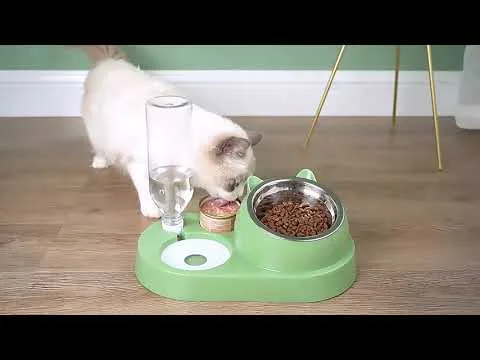
Image source: YouTube / PeelOrange (YouTube thumbnail (fair-use with source credit))
Using Dog Puzzle Feeders
Puzzle feeders are excellent tools not just for slowing down fast eaters, but also for making food access a bit more challenging for sneaky cats.
- How They Work: These feeders require the dog to solve a puzzle, like nudging, rolling, or manipulating the feeder, to release kibble. This process naturally slows down eating and makes the food less of an “open buffet.”
- Cat Deterrence: While designed for dogs, the interactive nature of a puzzle feeder can sometimes deter cats. A cat might lose interest if they can’t easily access the food, or if it requires too much sustained effort. Some models are designed to be more difficult for smaller paws to manipulate.
This approach can also provide mental stimulation for your dog.
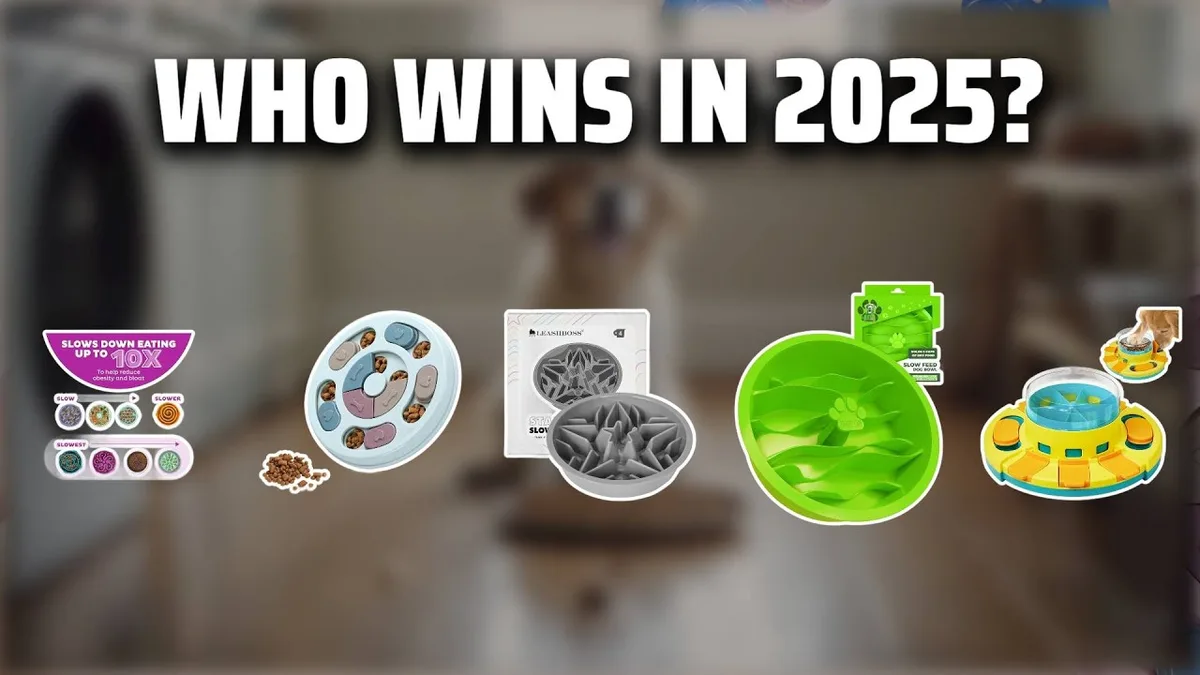
Image source: YouTube / Top Best Picks (YouTube thumbnail (fair-use with source credit))
Smart Feeders: The High-Tech Fix
For a more robust solution, consider an automatic pet feeder. These devices are programmed to dispense food at specific times.
- Collar/Tag Activation: Many advanced feeders use a microchip reader or a special collar tag. Only the pet wearing the designated tag or the one programmed into the system will have their feeder open. This is a near-foolproof method for ensuring only your dog can access their food.
- Programmable Portions: These feeders also allow for precise portion control, which is beneficial for dogs on specific feeding plans. This aligns with how much food to feed your dog by weight information found in nutrition guides.
- Investment: While more expensive, these smart feeders offer peace of mind and a definitive solution if other methods haven’t worked. The technology ensures that each pet gets their designated meal without interlopers.
Step 2: Make the Cat’s Kibble Irresistible
While you’re blocking access to the dog food, you also need to ensure your cat feels well-cared for and satisfied with their own meals. Making their food more appealing can significantly reduce their desire to scavenge.
Exploring New Cat Food Flavors and Textures
Sometimes, a cat simply gets bored with their current food. The feline palate can be quite discerning, and variety can be the spice of life, even for our pets.
- Wet vs. Dry: If you primarily feed dry kibble, try introducing high-quality wet cat food. Wet food often has a stronger aroma and a more appealing texture that many cats prefer. As of 2026, veterinary nutrition panels highlight the importance of moisture content in feline diets, a benefit wet food provides directly.
- Flavor Variety: Experiment with different protein sources like chicken, salmon, duck, or beef. Even within the same protein type, brands use different flavor enhancers and bases.
- Formulas: Look into grain-free options, limited ingredient diets if allergies are suspected, or specific life-stage formulas. Ensuring your cat gets the right nutrients for their age and health status is paramount. If you’re unsure about puppy or kitten food versus adult formulas for your cat, consult a veterinary professional.
The Power of Warming Wet Food
Just a few seconds in the microwave can dramatically enhance the appeal of wet cat food. This simple technique doesn’t cook the food, but it gently warms it, releasing aromas that are far more inviting to cats.
- How to Do It: Place a portion of wet food in a microwave-safe dish. Heat for 10, 15 seconds, stirring thoroughly to ensure there are no hot spots. It should feel lukewarm, not hot, to the touch.
- Why It Works: This mimics the temperature of freshly preyed-upon food, which is instinctively more attractive to cats. This can make their own meal seem more exciting than the dog’s food.
Jazzy Cat Food Toppers
Adding a little something extra to your cat’s regular food can transform a boring meal into an exciting event.
- Safe Additions: High-quality, low-sodium broths (like pure chicken or turkey broth without onion or garlic), a tiny sprinkle of nutritional yeast (for a cheesy flavor), or a spoonful of plain, cooked, unseasoned meat like chicken or fish can be added.
- Portion Control: Use toppers sparingly. Too much can lead to an unbalanced diet or an unhealthy reliance on the topper. The goal is to enhance their existing food, not replace it.
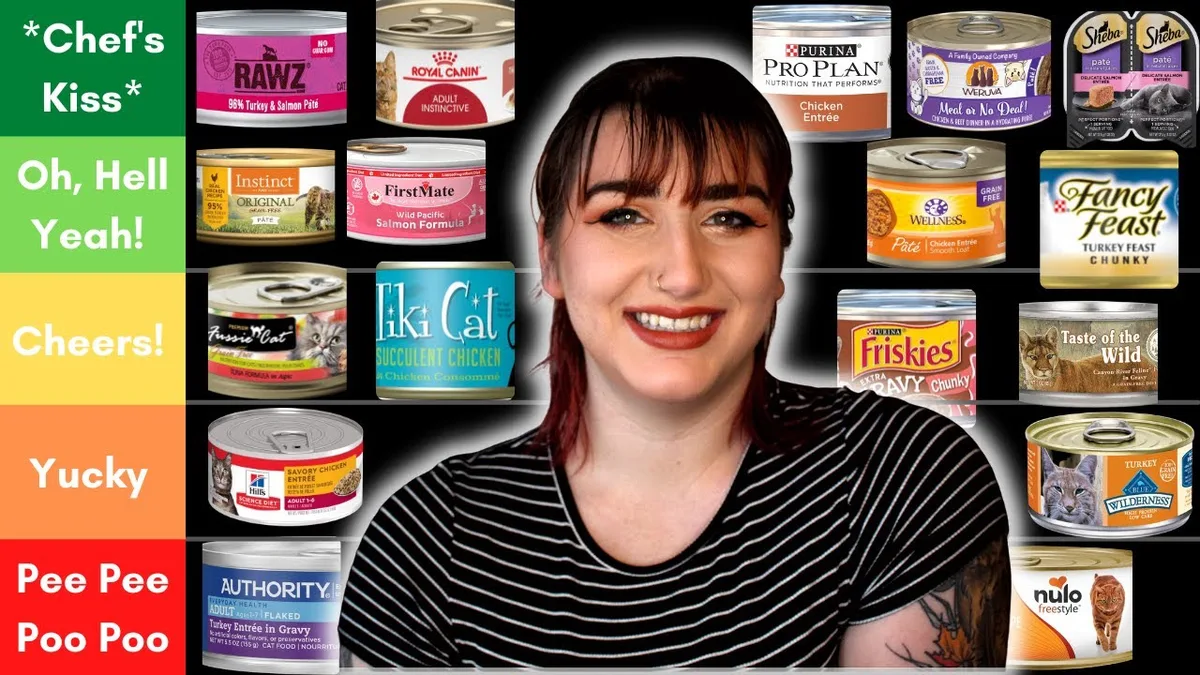
Image source: YouTube / The Tattooed Dog Trainer (YouTube thumbnail (fair-use with source credit))
The Importance of a Feeding Schedule for Cats
Cats thrive on routine. Irregular feeding can sometimes lead to anxiety or a “scramble” mentality, where they feel the need to eat quickly and look for extra food.
- Consistency: Establish specific meal times for your cat, ideally twice a day. Feed them at the same times each day, and then promptly remove any uneaten food after about 20, 30 minutes.
- Predictability: This routine signals to your cat that food is reliably available at certain times, reducing the urge to patrol for snacks. It also helps you monitor their appetite more closely. If your cat starts showing disinterest in their scheduled meals, it can be an early indicator of a health issue.
Step 3: Checking Underlying Issues
While often it’s just about management, sometimes a cat’s persistent interest in dog food or changes in eating habits can signal something else.
- Nutrient Deficiencies: Although rare with quality cat food, a cat might seek out other food sources if their current diet is lacking essential nutrients. If you’re feeding a food that isn’t specifically formulated for cats or is of lower quality, this could be a factor. Always ensure you are feeding a food that meets AAFCO (Association of American Feed Control Officials) nutritional standards for your cat’s life stage.
- Medical Conditions: Changes in appetite, pica (eating non-food items), or unusual food seeking behaviors can sometimes be linked to underlying medical issues like gastrointestinal problems, dental pain, or metabolic disorders. If you notice significant changes in your cat’s eating habits, energy levels, or overall health, it’s always best to consult with your veterinarian. They can perform a thorough physical exam and recommend appropriate diagnostic tests.
Common Cat-Eating-Dog-Food Mistakes to Sidestep
When trying to solve this issue, pet owners can sometimes make a few common missteps that actually hinder progress or cause unwanted stress for their pets.
- Punishing the Cat: Cats don’t understand punishment in the same way humans do. Yelling at, scolding, or physically reprimanding your cat will likely just make them fearful of you and could exacerbate stress-related behaviors. They won’t connect the punishment to eating the dog’s food, only to your negative reaction towards them being present.
- Inconsistent Separation: If you only separate the pets during feeding “sometimes,” your cat will learn that persistence pays off. They’ll continue to try and access the dog’s food because they know there are windows of opportunity. Consistent boundary enforcement is key to retraining their habits.
- Ignoring the Cat’s Diet: Simply focusing on blocking the dog food without ensuring the cat’s own food is appealing and nutritionally complete can lead to a perpetually unsatisfied cat. This might encourage them to seek out other food sources out of genuine need or desire for more stimulating options. Always make sure their primary food source is excellent.
When to Consult a Vet
While most cases of cats eating dog food are solvable with behavioral management and feeding adjustments, there are times when professional veterinary advice is necessary.
- Sudden Behavioral Changes: If your cat suddenly develops an intense interest in the dog’s food, or if their eating habits change drastically (e.g., increased appetite, decreased appetite, eating non-food items), a vet visit is crucial. These could be signs of underlying medical issues such as gastrointestinal distress, dental problems, or metabolic diseases.
- Weight Loss or Gain: If your cat is losing or gaining weight unexpectedly, it’s a clear signal that their diet or health needs review. A vet can assess their nutritional status and recommend appropriate food adjustments. For instance, if your cat is underweight and showing interest in high-calorie dog food, they might need a more calorie-dense cat food formula.
- Digestive Upset: If your cat experiences vomiting, diarrhea, or other signs of digestive upset after eating dog food, consult your vet immediately. Dog food is not formulated for feline digestive systems and can cause significant problems.
- Nutritional Adequacy Concerns: If you have any doubts about whether your cat’s current cat food meets their nutritional needs, or if you’re considering a significant diet change, your veterinarian is the best resource. They can guide you on appropriate cat food choices for your pet’s specific life stage and health requirements, ensuring they meet standards like those set by AAFCO.
Making the Switch Work for Your Multi-Pet Household
Successfully redirecting your cat from the dog’s food bowl often means making sure they’re happy and well-fed with their own meals. It’s about setting up a system where everyone has their designated eating space and knows what’s expected. This often involves understanding both species’ needs and creating a harmonious feeding environment.
For instance, ensuring your dog receives the right amount of food based on their weight and activity level can prevent waste that might tempt a cat, following guidance on how much food to feed your dog by weight.
This also means considering the quality of both animals’ diets. If your dog is on a specialized diet, like one for allergies or elderly pets, you don’t want your cat interfering. When both pets eat their appropriate food, it contributes to their overall health and well-being, preventing issues down the line.
We’ve already covered securing the dog’s food and jazzing up the cat’s meals, but let’s touch on a few other considerations for a balanced approach.
Addressing Behavioral and Environmental Factors
Beyond just food placement, other elements can influence your cat’s desire to raid the dog’s bowl. Understanding these can provide a more complete solution.
- Environmental Enrichment: A bored cat is more likely to explore and engage in “problem” behaviors like raiding food bowls. Providing your cat with plenty of toys, climbing structures, and interactive play sessions can redirect their energy and curiosity. Puzzle feeders for cats, similar to those for dogs, can also offer mental stimulation.
- Stress Triggers: Sometimes, changes in the household, such as a new pet, moving, or even loud noises, can cause stress in cats. This stress might manifest as unusual behaviors, including seeking comfort or novelty through food. Identifying and minimizing stressors is key to maintaining a calm environment for both pets.
- Individual Pet Personalities: Every cat and dog is an individual. Your dog might be a slow, meticulous eater, or a whirlwind who inhales their food. Your cat might be an adventurous explorer or a shy observer. Tailoring your approach to their specific temperaments is crucial for success.
Establishing Clear Feeding Boundaries
Boundaries are essential in a multi-pet home, and feeding time is a prime example. This involves consistent routines and clear expectations for both animals.
- Scheduled Meals: As mentioned, regular feeding times for both pets are critical. This avoids free-feeding scenarios where dog food is constantly accessible. Once the feeding window closes, pick up any uneaten food. This reinforces that food is provided at specific times.
- Positive Reinforcement: Reward your cat and dog for eating from their own bowls and respecting each other’s feeding areas. This could be a small treat, verbal praise, or a gentle petting, reinforcing the desired behavior. Positive reinforcement is far more effective than punishment.
- Supervised Mealtimes: In the initial stages, you might need to supervise mealtimes closely. This allows you to intervene gently if the cat approaches the dog’s bowl, redirecting them to their own food without causing distress.
What to Do If Your Cat Ignores Their Own Food
If your cat is consistently turning their nose up at their own meals, even with added toppers or different textures, it’s a red flag. This is where direct intervention and a deeper look at their diet become critical, potentially overriding other management strategies.
- Veterinary Check-up: A sudden disinterest in food can signal underlying health issues. Always rule out medical causes with a veterinarian first. They can check for dental problems, gastrointestinal issues, or other conditions affecting appetite.
- Dietary Analysis: Discuss your cat’s current diet with your vet. They can help determine if the food is appropriate for your cat’s age, activity level, and health status. Sometimes, the problem isn’t that the cat wants dog food but that their own food is unpalatable or insufficient.
- Gradual Introduction of New Foods: If you’re switching cat foods completely, do so gradually over 7, 10 days to avoid digestive upset. Mix increasing amounts of the new food with decreasing amounts of the old food. This helps their digestive system adjust.
Troubleshooting Access Issues
Even with the best intentions, sometimes the physical barriers you put in place don’t quite work for your unique home setup or your pets’ ingenuity.
- Catios or Dedicated Pet Rooms: For those with space, a “catio” (an outdoor cat enclosure) or a dedicated pet room can be ideal. You can feed your cat inside this secure area, ensuring they have their own undisturbed dining space. This is particularly useful if your dog is highly food-motivated and might try to “guard” their food.
- Pet Gates with Cat Doors: Specialized pet gates exist that have a small opening for cats but are too small for most dogs. These can be effective for creating separate feeding zones in larger homes. Ensure the dog cannot reach over or paw through the gate to bother the cat.
- Challenging Entry Points: Think about your home’s layout. Can the cat jump onto counters or shelves? Are there accessible furniture pieces near the dog’s food bowls? Sometimes, a simple rearrangement of furniture or securing items can create new barriers.
Long-Term Maintenance and Prevention
Once you’ve successfully established new feeding routines and boundaries, the key is consistent maintenance to prevent old habits from resurfacing. This proactive approach ensures a peaceful coexistence.
- Regular Reviews: Periodically re-evaluate your feeding strategy. Are the pets still respecting boundaries? Has the cat’s interest in the dog food completely waned? Small adjustments may be needed as pets age or household dynamics change.
- Consistent Training: Continue positive reinforcement for good behavior. If you notice your cat giving the dog’s bowl a curious glance, a gentle redirection or praise for focusing on their own food can keep the desired behavior strong.
- Health Monitoring: Stay vigilant about your pets’ health and dietary habits. Any drastic changes should prompt veterinary consultation, as shifts in appetite or behavior can sometimes be the first sign of a medical issue. This proactive health monitoring is crucial for long-term pet well-being.