How to Keep Dog Out of Cat Food
Figuring out how to keep dog out of cat food is a daily battle for multi-pet homes. Dogs love the high protein and fat content in feline meals, but stealing bites causes digestive upset and nutrient imbalances. You need a physical or technological barrier that suits your specific pets.
The right solution depends on variables like jump height and microchip compatibility. Per ISO 11784/11785 standards, most selective feeders read FDX-B chips reliably as of 2026. Let’s walk through the decision tree to find your best match.
Quick Answer
Use microchip feeders for reliable separation. Install gates with cat doors for room access. Elevate bowls only if dogs cannot jump.
Train dogs to respect boundaries consistently. Combine methods for stubborn eaters.
Why Your Dog Steals Cat Food and How to Stop It Safely
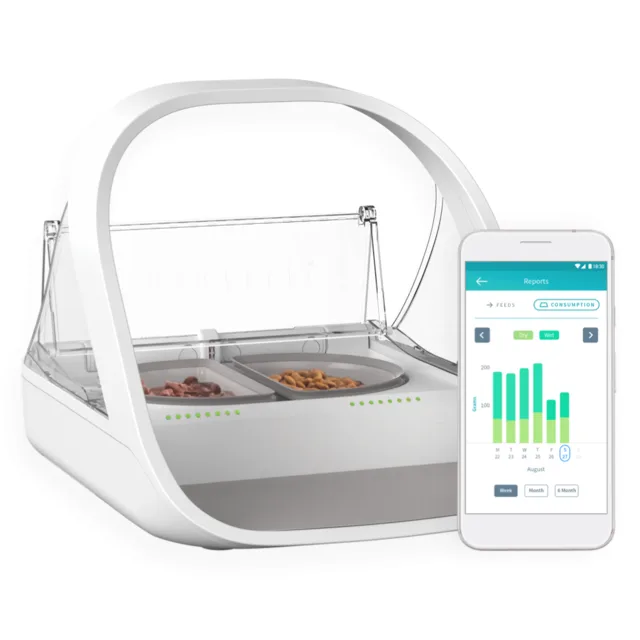
Image source: Web (Bing) / petdirect.co.nz (Web image (fair-use with source credit))
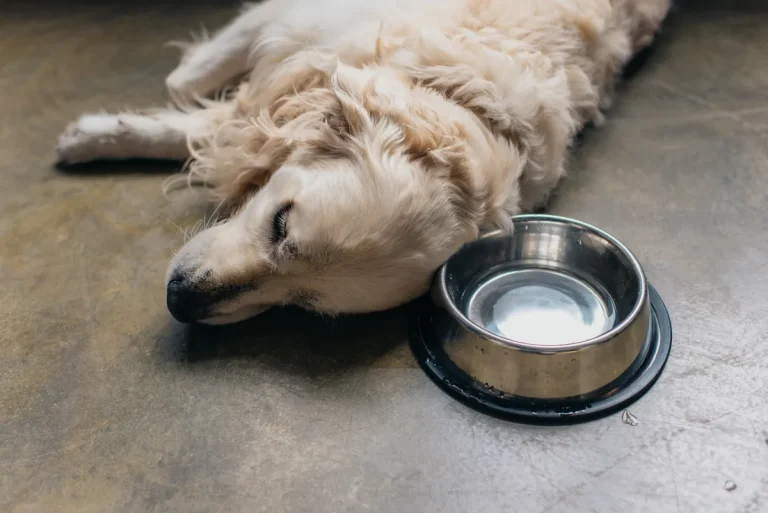
Dogs are opportunistic scavengers by nature. Cat food smells intense and tastes rich to them because it contains higher protein and fat levels than canine diets. This biological drive makes simple verbal commands ineffective during meal times.
Eating feline food poses real health risks for dogs. The excess fat can trigger pancreatitis in prone breeds. Cats also miss out on essential taurine and arachidonic acid when their bowls are raided repeatedly.
Safety means addressing both nutrition and behavior. You must prevent access without creating resource guarding aggression between pets. Physical barriers work better than punishment because they remove the temptation entirely.
Understanding the root cause helps you choose wisely. Is your dog bored, hungry, or just greedy? Addressing underlying needs like proper portion sizes or mental enrichment supports your physical prevention strategy.
For dogs with sensitive stomachs, preventing dietary indiscretion is especially critical alongside choosing appropriate food for digestive health.
The Decision Tree: Choosing the Right Barrier Based on Your Dog’s Size and Mobility
Your ideal solution hinges on three key variables. These are dog size, jumping ability, and rental restrictions. No single product works for every household configuration.
If Your Dog Is Small and Cannot Jump High
Pressure-mounted gates with built-in cat doors are usually sufficient. These create a dog-free zone without permanent installation. Standard cat apertures measure about six inches wide by seven inches tall.
Small dogs under twenty pounds typically cannot navigate these openings. Ensure the gate tension is tight enough to resist nudging. This option is renter-friendly and costs between thirty and sixty dollars.
If Your Dog Is Large or an Agile Jumper
Elevation alone will not stop athletic dogs. Labs and Huskies easily clear countertops and tables. You need either a microchip-activated selective feeder or a fully enclosed feeding station.
Selective feeders scan your cat’s implanted chip or RFID collar tag. The lid opens only for the registered animal. Manufacturer specs show read ranges of three to six inches, preventing larger muzzles from entering.
If You Rent and Cannot Drill Holes
Avoid wall-mounted shelves or permanent cat flaps. Opt for freestanding furniture or heavy top-entry containers. Repurposed storage bins with small entry holes work well for ground-level protection.
Pressure gates remain viable for doorways. Just verify your lease allows tension-based installations. Always test stability before leaving pets unsupervised to prevent tipping accidents.
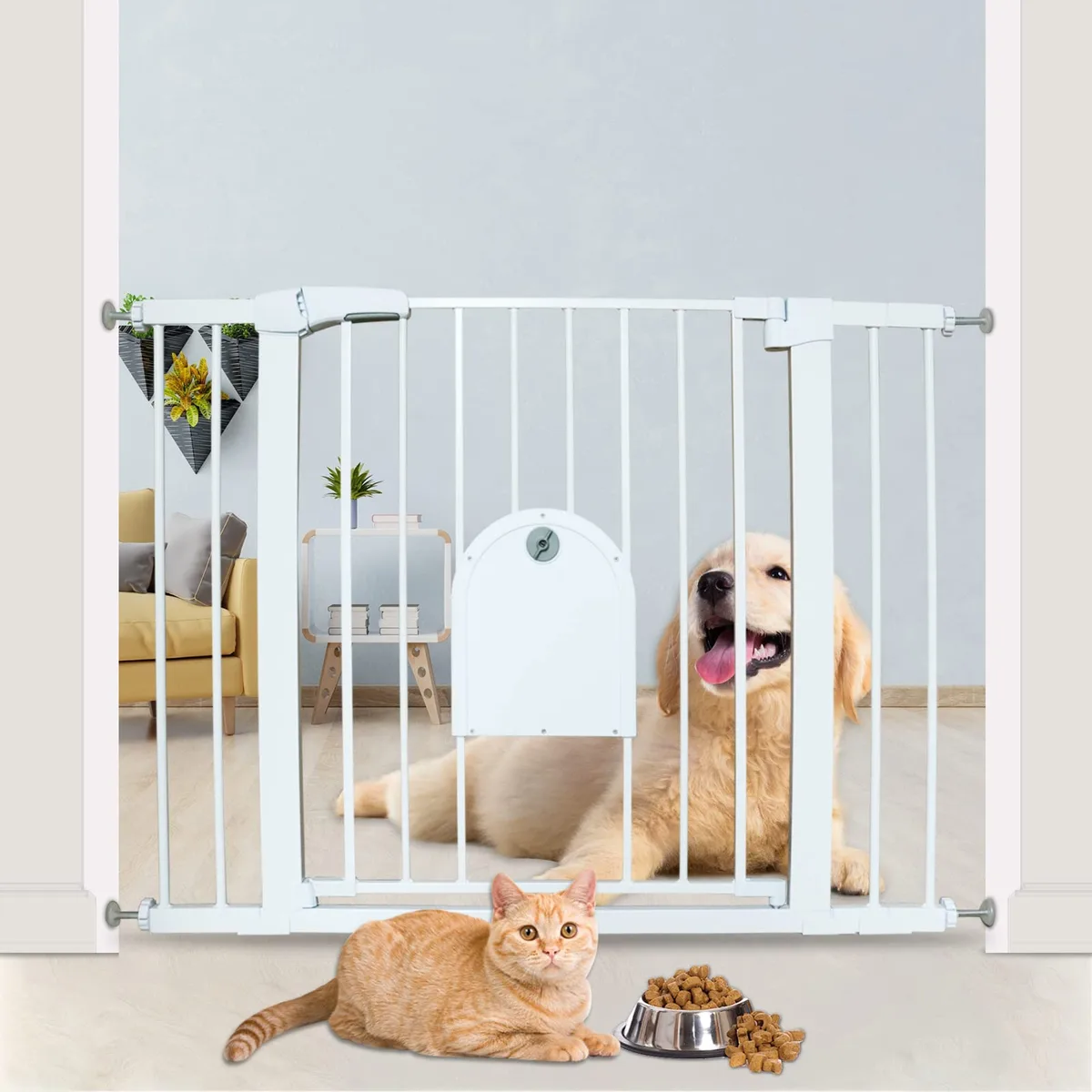
Image source: Web (Bing) / nellisauction.com (Web image (fair-use with source credit))
Microchip Feeders vs. Physical Barriers: Which Solution Actually Works for Your Home
Choosing between technology and architecture requires honest assessment. Each approach has distinct strengths and limitations. Aggregate reviews suggest combining both yields the highest long-term success rates.
| Feature | Microchip Selective Feeder | Physical Gate/Shelf |
|---|---|---|
| Best For | Multi-cat homes, prescription diets | Creating safe zones, renters |
| Setup Time | 15 mins + training | 30 mins installation |
| Power Needed | Batteries or AC adapter | None |
| Failure Risk | Sensor errors, dead batteries | Dog learning to bypass |
| Cost Range | $100 to $250 | $30 to $150 |
When Technology Wins
Microchip feeders excel when cats have different dietary needs. They allow free-feeding one cat while blocking others and all dogs. This precision matters for managing weight or medical conditions requiring specific nutritional formulations.
The main drawback is sensor reliability. Wet food can gum up mechanisms over time. Battery failure leaves the bowl locked or open unexpectedly.
Regular maintenance prevents most issues.
Training cats to accept enclosed spaces takes patience. Some felines refuse to enter tunnels or covered areas initially. Positive reinforcement with treats inside the unit builds confidence gradually over days or weeks.
When Physical Barriers Win
Gates and shelves provide environmental enrichment beyond feeding. Vertical territory reduces feline stress according to AAFP guidelines. Dogs learn spatial boundaries more easily when consistent physical cues exist.
Physical solutions never run out of batteries. They work during power outages and tech failures. However, determined dogs eventually learn to climb or knock over poorly secured barriers.
Installation quality determines effectiveness. A loose gate becomes a puzzle toy rather than a deterrent. Proper tension adjustment and regular checks maintain security over months of daily use.
Step-by-Step Setup: Installing Gates, Shelves, and Smart Feeders Without Damaging Rentals
Proper installation separates effective barriers from expensive decorations. Follow these steps to ensure safety and functionality. Rushing setup leads to failures that reinforce unwanted behaviors.
Setting Up Pressure-Mounted Gates
Clean the doorframe surface thoroughly before installation. Dust and grease reduce friction significantly. Measure width at top, middle, and bottom since frames often taper slightly.
Extend the gate until the indicator shows proper tension. Most models have visual markers for correct pressure. Test by applying firm hand pressure at the center and edges.
Install the cat door insert at floor level. Verify your cat passes through comfortably before finalizing. Watch for gaps where small dogs might squeeze underneath or beside the frame.
Mounting Wall Shelves Safely
Locate studs using a reliable finder tool. Drywall anchors alone cannot support adult cats plus food weight. Mark drill points precisely to avoid crooked installation.
Pre-drill pilot holes to prevent wood splitting. Use screws rated for at least fifty pounds each. Level the shelf before tightening completely to ensure stable footing.
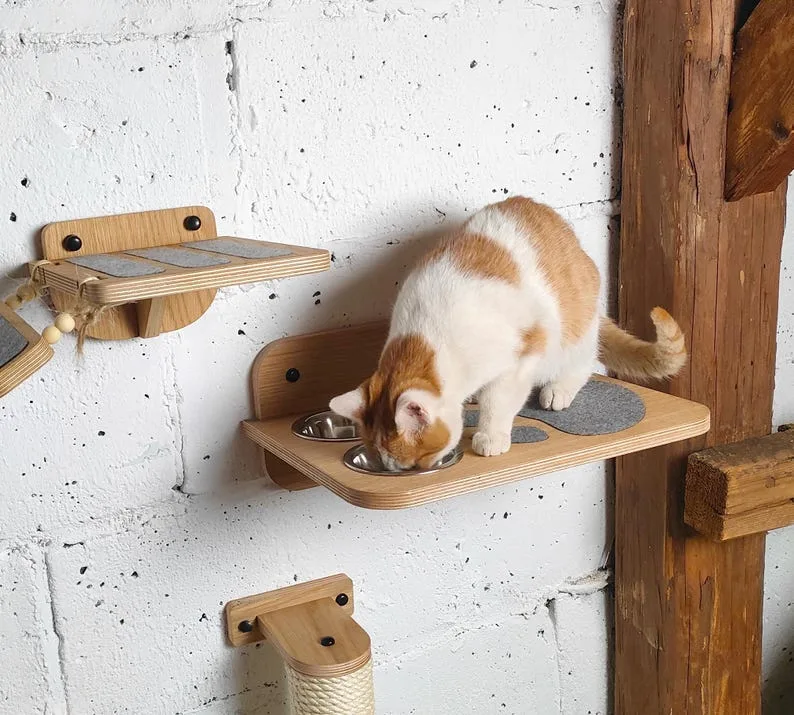
Image source: Bing (Web (fair-use with source credit))
Place food bowls away from shelf edges. Cats need clearance to eat without feeling exposed. Adding non-slip mats prevents dishes from sliding during enthusiastic meals.
Programming Selective Feeders
Register your cat’s microchip number following manufacturer instructions. Have your vet confirm chip functionality first. Keep the registration card in a safe place for future reference.
Test the sensor multiple times before relying on it. Approach from different angles to simulate natural eating posture. Adjust sensitivity settings if false triggers occur frequently.
Introduce the feeder gradually with the lid taped open initially. Let your cat associate the device with positive experiences. Remove tape only after confident voluntary entry happens consistently.
Proper storage of any leftover portions remains important, so review safe wet food handling practices to complement your new setup.
Common Mistakes That Let Dogs Back In (and How to Fix Them)
Even perfect equipment fails with poor execution. These recurring errors undermine otherwise solid setups. Recognizing them early saves frustration and protects your cat’s nutrition.
Underestimating Dog Athleticism
Many owners assume elevation equals safety. Counter-surfing dogs reach heights exceeding four feet easily. Never rely solely on height without testing your specific dog’s capabilities first.
Fix this by observing behavior during supervised trials. Use temporary barriers to assess jumping range safely. Add secondary deterrents like double-sided tape on surfaces if needed.
Neglecting Maintenance Routines
Smart feeders accumulate food residue and hair. Sensors fail when dirty. Batteries corrode if left unchanged too long.
Monthly deep cleaning prevents mechanical failures.
Create a calendar reminder for battery checks. Replace cells proactively rather than waiting for failure. Keep spare batteries near the unit for quick swaps during emergencies.
Inconsistent Boundary Enforcement
Dogs test limits constantly. Allowing occasional counter surfing reinforces the behavior permanently. Every family member must follow identical rules without exception.
Redirect unwanted interest immediately with alternative activities. Reward calm behavior near restricted zones. Consistency over weeks builds lasting respect for boundaries.
Ignoring Cat Comfort Levels
Forced confinement creates feeding aversion. Cats may starve rather than enter scary enclosures. Monitor intake closely during transition periods to catch problems early.
Provide escape routes and visibility within feeding stations. Never trap cats where dogs can stare directly at them. Patience during acclimation prevents long-term refusal issues.
If appetite drops persist, consult your vet about potential underlying health concerns affecting willingness to eat in new environments.
Costs, Maintenance, and Long-Term Success Metrics
Budgeting for pet separation involves more than upfront purchase price. Ongoing maintenance costs determine true affordability over years of use. Smart feeders require battery replacements every four to twelve months depending on usage frequency.
Physical barriers have minimal recurring expenses but need periodic hardware checks. Gate tension springs wear out after extended daily use. Replacement parts typically cost under ten dollars and extend product life significantly.
Tracking Effectiveness Over Time
Success means zero stolen meals for thirty consecutive days. Keep a simple log noting any breaches or near-misses. Patterns reveal weak points before they become habitual problems again.
Monitor your cat’s weight and body condition score monthly. Unintended weight loss suggests feeding station avoidance or stress. Veterinary checkups confirm nutritional adequacy when transitioning to new systems.
Behavioral changes indicate system acceptance or rejection. Relaxed eating posture shows comfort with the setup. Guarded or rushed meals signal lingering anxiety about dog access that needs addressing.
Hidden Costs to Anticipate
Rental properties may charge fees for wall damage during shelf installation. Security deposits can be affected by improper mounting techniques. Using removable adhesive strips avoids this risk entirely for lighter setups.
Veterinary bills from dietary indiscretion far exceed prevention costs. A single pancreatitis episode often runs over one thousand dollars. Investing in reliable barriers pays for itself quickly compared to emergency treatment expenses.
Time investment matters too. Training periods require active supervision and reinforcement. Budget two to four weeks of consistent effort before expecting autonomous reliability from any new system.
Selecting appropriate bowls for your dog as part of their own dedicated feeding routine can also reduce interest in the cat’s area.
Frequently Asked Questions About Separating Pet Meals
Can I train my dog to ignore cat food without barriers?
Training alone rarely succeeds long-term with high-drive dogs. Food motivation overrides verbal commands when unsupervised. Barriers provide necessary management while training reinforces desired behaviors.
Combine both approaches for reliable results rather than relying solely on obedience.
What if my cat refuses to use the microchip feeder?
Start with the lid disabled or taped open for several days. Place high-value treats inside to build positive associations gradually. Ensure the location feels safe from dog presence during acclimation.
Most cats adapt within two weeks when introduced patiently without force.
Are pressure gates safe for large aggressive dogs?
Standard pressure gates suit small to medium dogs only. Large breeds can dislodge them through leaning or charging. Hardware-mounted gates with proper stud anchoring are mandatory for powerful animals.
Always verify weight ratings match your dog’s size before purchasing.
How do I clean smart feeders without damaging sensors?
Remove batteries before wiping interior surfaces with damp cloth. Avoid spraying liquids directly onto electronic components. Use mild soap solutions and dry thoroughly before reassembly.
Monthly deep cleaning prevents food buildup that causes sensor malfunctions or mold growth.
Will elevated feeding cause joint issues in senior cats?
Proper elevation actually reduces neck strain during meals. Shelf height should allow natural standing posture without stretching. Provide non-slip surfaces to prevent slipping injuries.
Consult your veterinarian about optimal heights for cats with existing arthritis or mobility limitations.
Do selective feeders work with multiple cats sharing food?
Most units register multiple chips for shared bowl access. Programming each cat individually ensures all authorized pets can eat. Monitor intake to prevent dominant cats from monopolizing resources.
Separate stations may be necessary if competition creates stress despite technological access control.