How to Make Fresh Dog Food With Chicken?
If you’re thinking about making fresh dog food with chicken at home, you’re not alone. It’s one of the most common questions we get from dog owners who want better control over what goes into their pet’s bowl. The truth is, learning how to make fresh dog food with chicken can be a great way to improve your dog’s diet, but it’s not as simple as boiling a breast and tossing in some rice.
Here’s the thing: a simple chicken and rice recipe isn’t complete. Per AAFCO standards, a balanced homemade diet needs specific ratios of meat, organs, vegetables, and supplements to meet your dog’s nutritional needs. Getting it wrong can lead to deficiencies over time.
Let’s break down what that actually looks like and how to do it safely.
Why Accuracy Matters When Making Fresh Dog Food with Chicken
The biggest mistake people make with homemade dog food is assuming it’s automatically healthier than kibble. That’s not always true. A poorly balanced homemade diet can cause more harm than good.
Commercial dog food is formulated to meet AAFCO nutrient profiles. That means it contains the right amounts of protein, fat, vitamins, and minerals for your dog’s life stage. When you switch to homemade, you take on that responsibility yourself.
The consequences of getting it wrong aren’t immediate. They build up over months. A diet that’s too low in calcium can lead to bone fractures.
Too little taurine can cause heart problems in certain breeds. Too much liver can cause vitamin A toxicity.
As of 2026, veterinary nutritionists still report that the most common homemade diet deficiencies are calcium, taurine, and iodine. These aren’t things you can fix by guessing. You need to be intentional.
That doesn’t mean homemade food is bad. It means you have to do it right. The good news is that with the right ingredients and ratios, you can absolutely make fresh dog food that’s complete and balanced for your dog.
What You Actually Need: The Core Ingredients for a Complete Chicken Recipe
Let’s start with the shopping list. A balanced chicken recipe needs more than just chicken. Here’s what you’ll need to include:
Protein Sources
- Boneless skinless chicken thighs or breasts. Thighs are better because they have more fat, which dogs need for energy and healthy skin. Breasts are leaner and work for weight management.
- Chicken liver. This is the organ meat that provides vitamin A, iron, and copper. Too much can be toxic, so it’s a small but critical portion.
- Chicken hearts, Hearts are a muscle meat, but they’re also rich in taurine, an amino acid that’s essential for heart health. Large breeds like Dobermans and Golden Retrievers are especially prone to taurine deficiency.
Carbohydrates and Fiber
- Brown rice is easily digestible, provides energy, and doesn’t upset most dogs’ stomachs.
- Sweet potatoes are packed with beta-carotene, fiber, and vitamins. They’re a great alternative to rice.
- Pumpkin puree, not the pie filling, just plain pumpkin. It’s excellent for digestion.
Vegetables
- Carrots Good source of vitamin A and fiber. Dogs love the crunch.
- Green beans are low-calorie and high-fiber. Great for weight management.
- Spinach or kale, Iron, calcium, and antioxidants. Use in moderation because they’re high in oxalates.
Fats
- Salmon oil is the best source of omega-3 fatty acids. It supports skin, coat, and joint health.
- Coconut oil contains medium-chain triglycerides that can boost energy and support brain function.
Calcium Source
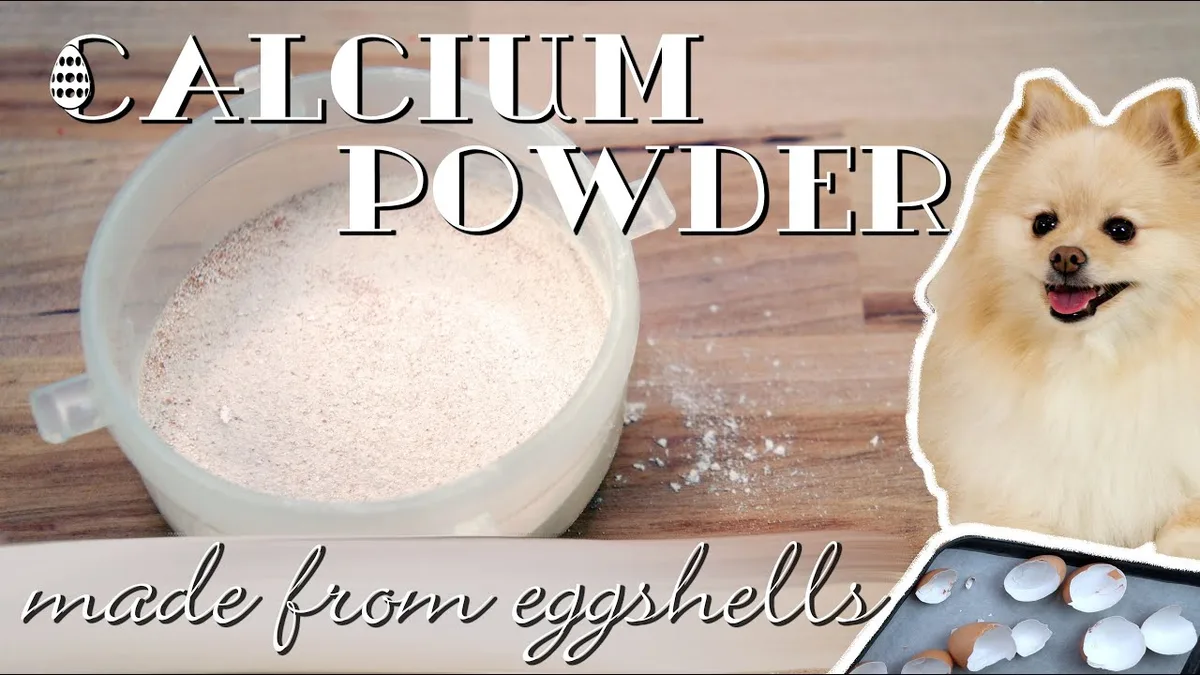
- Eggshell powder: The safest and most affordable way to add calcium. You can make it at home by baking and grinding eggshells.
- Bone meal is another option, but harder to find without additives.
Water
- Fresh, clean water for cooking and rehydrating grains if needed.
The Right Ratios: Meat, Organ, Vegetable, and Carb Percentages Explained
This is where most people get confused. The ratio isn’t a strict rule that applies to every dog, but it’s a good starting point. Based on AAFCO guidelines and guidance from board-certified veterinary nutritionists, here’s the general breakdown for an adult dog:
| Component | Percentage of Total Recipe | Examples |
|---|---|---|
| Muscle meat | 50–60% | Chicken thighs, breast, hearts |
| Organ meat | 10–15% | Chicken liver, kidney |
| Vegetables | 10–20% | Carrots, green beans, spinach |
| Carbohydrates | 10–20% | Brown rice, sweet potatoes, pumpkin |
| Supplements | As needed | Salmon oil, eggshell powder, vitamin E |
These percentages are for the total weight of the cooked food. So if you’re making a 5-pound batch, you’d use about 2.5 to 3 pounds of muscle meat, half a pound of organ meat, and so on.
Why the Ratios Matter
- Too much meat can lead to excess protein, which strains the kidneys over time, especially in senior dogs.
- Too little calcium causes bone problems. Muscle meat is very low in calcium, so you must supplement it.
- Too many vegetables can cause loose stools or gas. Dogs aren’t designed to digest large amounts of plant matter.
- Too little fat leads to dry skin and a dull coat. It’s also a major energy source for dogs.
If your dog has a specific health condition, these ratios change. For example, a dog with kidney failure needs less protein and phosphorus. A dog with a sensitive stomach needs less fat and fiber.
Those cases require a veterinary nutritionist’s guidance, not a generic recipe.
Step-by-Step: How to Cook and Prepare Fresh Chicken Dog Food
Now let’s get into the actual cooking process. This is straightforward, but you need to follow food safety rules just like you would for your own meals.
Step 1: Prep Your Ingredients
- Wash your hands and surfaces thoroughly.
- Trim excess fat and skin from the chicken. Some fat is good, but too much can cause pancreatitis.
- Peel and chop vegetables into small pieces so they cook evenly and are easier to digest.
Step 2: Cook the Chicken
- Place chicken in a large pot and cover with water.
- Bring to a boil, then reduce to a simmer.
- Cook until the internal temperature reaches 165°F (74°C). This kills harmful bacteria like Salmonella and Campylobacter.
- Remove the chicken from the pot and let it cool. Reserve the cooking liquid, which is full of flavor and nutrients.
Step 3: Cook the Grains and Vegetables
- In a separate pot, cook brown rice according to package directions. Use the reserved chicken liquid for extra flavor.
- Steam or boil the vegetables until soft. A steamer basket works best to preserve nutrients.
Step 4: Shred or Grind the Chicken
- Once the chicken is cool enough to handle, shred it with two forks or chop it into small pieces. For dogs with dental issues, you can pulse it in a food processor.
Step 5: Mix Everything
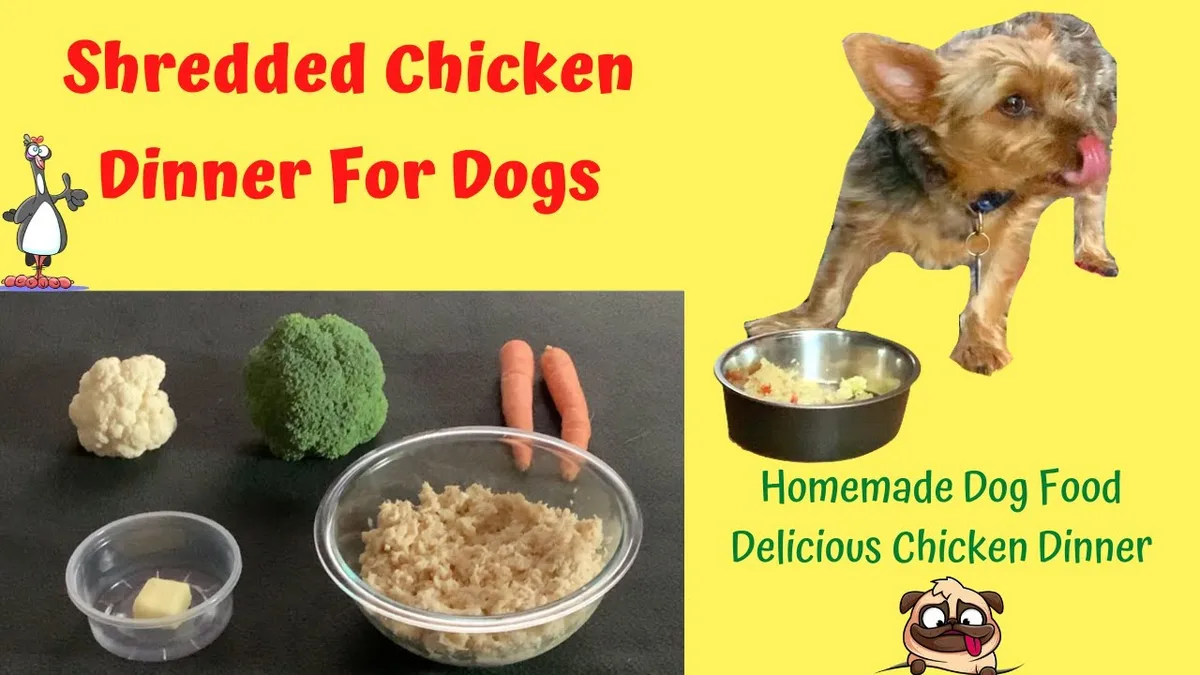
- In a large bowl, combine the shredded chicken, cooked grains, and vegetables.
- Add the eggshell powder and salmon oil. Stir thoroughly to distribute the supplements evenly.
Step 6: Cool and Portion
- Let the food cool completely before portioning. This prevents condensation in storage containers, which can cause spoilage.
- Divide into meal-sized portions. Use glass or BPA-free plastic containers.
- Refrigerate what you’ll use within 3 to 5 days. Freeze the rest.
Step 7: Serve
- Thaw frozen portions in the refrigerator overnight. Never thaw on the counter.
- Serve at room temperature or slightly warmed. Don’t microwave the food, as it can create hot spots that burn your dog’s mouth.
The Calcium Problem: Why Boneless Chicken Alone Isn’t Enough
This is the single most important thing to understand about homemade dog food. Boneless chicken is almost completely devoid of calcium. A pound of cooked chicken breast has about 15 milligrams of calcium.
An adult dog needs about 1,000 milligrams per pound of food.
That’s a massive gap.
Calcium is essential for bone health, muscle function, nerve transmission, and blood clotting. A deficiency over time leads to weakened bones, fractures, and even heart problems.
The most common solution is eggshell powder. It’s cheap, easy to make, and perfectly balanced.
How to Make Eggshell Powder
- Rinse clean eggshells and remove the inner membrane.
- Bake at 250°F for 10 minutes to kill any bacteria.
- Grind them into a fine powder using a coffee grinder or food processor.
- Store in an airtight container.
How Much to Use
A general rule is one teaspoon of eggshell powder per pound of meat. That provides roughly 2,200 milligrams of calcium, which is in the right range for most adult dogs.
If you use bone meal instead, make sure it’s a human-grade product without additives. Some bone meal products contain lead or other heavy metals.
What About Raw Bones?
Never feed cooked bones. They splinter and can cause serious internal injuries. Raw bones are safer, but they come with their own risks, like bacterial contamination and choking.
For most people, eggshell powder is the safest and easiest option.
If you’re feeding a recipe that includes ground bone or bone meal, you still need to be careful about the ratio. Too much calcium is also harmful. It can cause skeletal problems in growing puppies and kidney issues in adult dogs.
The takeaway is simple: don’t skip the calcium. It’s not optional. It’s the difference between a healthy meal and a dangerous one.
Essential Supplements to Add (and Common Ones to Skip)
Calcium isn’t the only thing your dog needs. A homemade chicken diet also requires a few key supplements to fill the gaps. Here’s what matters and what doesn’t.
Supplements You Should Include
Fish oil (salmon oil), This provides EPA and DHA, two omega-3 fatty acids that support joint health, brain function, and a shiny coat. A standard dose is 1,000 milligrams per 20 pounds of body weight daily. Store it in the fridge to prevent rancidity.
Vitamin E Fish oil increases your dog’s need for vitamin E. Without it, your dog can develop a deficiency over time. Add 100 IU per day for a medium-sized dog.
You can buy vitamin E capsules at any pharmacy and puncture them into the food.
Taurine. This is especially important for large and giant breeds like Dobermans, Golden Retrievers, and Newfoundlands. These breeds are genetically prone to dilated cardiomyopathy (DCM), and taurine deficiency makes it worse. Chicken hearts are a natural source, but a taurine supplement adds insurance.
Add 500 to 1,000 milligrams per day for at-risk breeds.
Iodine, Most commercial dog foods use iodized salt or kelp to meet iodine requirements. A small amount of kelp powder once or twice a week is usually enough. Too much iodine is toxic, so don’t overdo it.
Supplements You Can Skip
Commercial multivitamins. Most are designed to complement kibble, not homemade food. They often contain the wrong ratios or unnecessary fillers. A targeted approach with individual supplements is better.
Glucosamine and chondroitin, These are helpful for dogs with arthritis, but they’re not essential in a balanced homemade diet. If your dog has joint issues, add them separately under your vet’s guidance.
Probiotics: If your dog has a healthy gut, probiotics from plain yogurt or kefir are enough. You don’t need expensive probiotic powders unless your dog has digestive issues.
A Simple Supplement Routine
| Supplement | Amount | Frequency |
|---|---|---|
| Eggshell powder | 1 tsp per pound of meat | Every meal |
| Salmon oil | 1,000 mg per 20 lbs body weight | Daily |
| Vitamin E | 100 IU per day (medium dog) | Daily |
| Taurine | 500–1,000 mg per day (large breeds) | Daily |
| Kelp powder | 1/4 tsp | 1–2 times per week |
This routine covers the most common gaps in a homemade chicken diet. It’s not exhaustive, but it’s a solid starting point for most healthy adult dogs.
Storage and Shelf Life: Fridge vs. Freezer Guidelines
Fresh dog food doesn’t have preservatives, so you need to store it carefully. Let’s break down the numbers.
Refrigerator Storage
Freshly cooked dog food lasts 3 to 5 days in the refrigerator at 40°F or below. After that, bacterial growth becomes a risk even if the food looks and smells fine.
Use shallow containers so the food cools quickly. Deep containers trap heat in the center, which can keep the food in the danger zone (40°F to 140°F) for too long.
Freezer Storage
Frozen homemade dog food stays good for 2 to 3 months. After that, the quality drops, and the fats can go rancid.
Portion the food into individual meals before freezing. That way, you only thaw what you need. Vacuum sealing extends the life even longer, but ziplock bags with the air pressed out work fine.
Thawing Rules
- Thaw in the refrigerator overnight. Never on the counter.
- Once thawed, use within 2 days. Don’t refreeze.
- If you’re in a hurry, place the sealed bag in cold water for 30 minutes.
Spoilage Signs
- Sour or off smell
- Slimy texture
- Mold growth (rare but possible)
- Discoloration
When in doubt, throw it out. Your dog’s health isn’t worth the risk.
How Much to Feed Per Day Based on Your Dog’s Weight
This is one of the most common questions we get. The answer depends on your dog’s size, age, activity level, and metabolism. But here’s a general starting point.
The 2 to 3 Percent Rule
For adult dogs, a good starting point is 2 to 3 percent of their ideal body weight per day. That means a 50-pound dog gets 1 to 1.5 pounds of food daily.
Here’s a quick reference table:
| Dog Weight | Daily Food Amount (2%) | Daily Food Amount (3%) |
|---|---|---|
| 10 lbs | 3.2 oz | 4.8 oz |
| 25 lbs | 8 oz | 12 oz |
| 50 lbs | 16 oz (1 lb) | 24 oz (1.5 lbs) |
| 75 lbs | 24 oz (1.5 lbs) | 36 oz (2.25 lbs) |
| 100 lbs | 32 oz (2 lbs) | 48 oz (3 lbs) |
Adjusting the Amount
These are starting points, not rules. Watch your dog’s body condition over two weeks.
- If you can see their ribs easily, increase the amount.
- If you can’t feel their ribs through a thin layer of fat, decrease it.
- If they’re leaving food in the bowl, you’re probably feeding too much.
Puppies, Seniors, and Active Dogs
- Puppies need more food per pound of body weight. As much as 5 to 10 percent of their body weight daily, split into three or four meals.
- Senior dogs often need less because they’re less active. Stick to the lower end of the range.
- Active or working dogs may need more. A hunting dog or agility dog can burn twice the calories of a couch potato.
When to Split Meals
Most adult dogs do well on two meals per day. Splitting the daily portion into a morning and evening meal helps with digestion and keeps blood sugar stable. It also prevents bloat in deep-chested breeds like Great Danes and German Shepherds.
The 7-Day Transition Plan: Switching from Kibble to Fresh Food
Switching your dog’s food overnight is a recipe for digestive disaster. A sudden change can cause vomiting, diarrhea, and gas. Your dog’s gut bacteria need time to adjust.
The Standard Transition Schedule
| Day | Kibble | Fresh Food |
|---|---|---|
| 1–2 | 75% | 25% |
| 3–4 | 50% | 50% |
| 5–6 | 25% | 75% |
| 7+ | 0% | 100% |
Signs You’re Moving Too Fast
- Loose stools or diarrhea
- Excessive gas
- Vomiting
- Refusing to eat
If you see any of these, go back to the previous ratio for an extra two days. Some dogs need a full 14 days to transition.
What to Expect
Your dog’s stool volume will likely decrease with fresh food. That’s normal. Fresh food has less indigestible filler than kibble, so there’s less waste.
The stool may also be darker and firmer.
Some dogs go through a detox phase where they seem itchy or have mild digestive upset. This usually passes within a few days. If it lasts longer than a week, consult your vet.
The Picky Eater Problem
Some dogs refuse fresh food at first because they’re used to the taste and texture of kibble. If your dog is being stubborn, try these tricks:
- Warm the fresh food slightly to release the aroma.
- Mix in a tablespoon of plain yogurt or bone broth.
- Top with a small amount of their old kibble as a garnish.
Don’t give in and offer unlimited kibble. Most dogs come around within a day or two.
Common Mistakes That Can Make Your Dog Sick
Let’s talk about the mistakes we see most often. Avoiding these will save you a lot of trouble.
Mistake 1: Skipping the Calcium
We’ve already covered this, but it’s worth repeating. A calcium deficiency is the most common problem in homemade diets. It’s also the most dangerous.
Without calcium, your dog’s body pulls it from their bones, leading to fractures and deformities over time.
Mistake 2: Feeding Too Much Liver
Liver is incredibly nutrient-dense, but too much causes vitamin A toxicity. Symptoms include bone deformities, weight loss, and lethargy. Keep liver to no more than 5 percent of the total recipe.
Mistake 3: Using Raw Chicken Without Precautions
Raw feeding is a separate topic with its own risks. Salmonella and Campylobacter are real concerns for both dogs and humans in the household. If you choose raw, you need to be meticulous about hygiene.
For most people, cooking the chicken to 165°F is safer.
Mistake 4: Ignoring Breed-Specific Needs
Large and giant breeds have different nutritional requirements than small breeds. Golden Retrievers and Dobermans need extra taurine. Great Danes need controlled calcium levels to prevent bone growth issues. Explore how to Store Wet Dog Food.
A one-size-fits-all recipe doesn’t work.
Mistake 5: Not Rotating Proteins
Feeding only chicken for months can lead to food sensitivities and nutrient imbalances. Rotate between chicken, turkey, beef, and fish every few weeks. This gives your dog a broader nutrient profile and reduces the risk of developing allergies.
Mistake 6: Guessing Portion Sizes
We see people eyeballing portions and wondering why their dog gains or loses weight. Use a kitchen scale. Weigh the food.
Track your dog’s body condition. It takes two minutes and prevents a lot of problems.
When to See a Veterinary Nutritionist Instead of DIY
Homemade dog food isn’t right for every situation. Some health conditions require professional guidance.
If your dog has kidney disease, liver issues, pancreatitis, or a history of bladder stones, don’t wing it. These conditions need precise nutrient adjustments. A dog with kidney failure needs lower phosphorus levels.
A dog with pancreatitis needs extremely low fat. Get those wrong, and you can make things worse.
Board-certified veterinary nutritionists (DACVIM or DACVN) are the gold standard. They can formulate a recipe tailored to your dog’s specific needs and health history. The cost is usually $200 to $500 for an initial consultation and recipe plan.
That’s cheap compared to emergency vet bills.
Also see a professional if your dog is a growing puppy of a large or giant breed. Their calcium and phosphorus needs are very specific. Getting the ratio wrong can cause developmental bone disease.
FAQs About Homemade Chicken Dog Food
Can I use chicken breast instead of thighs?
Yes, but breast is leaner. Your dog needs some fat for energy and skin health. If you use breast, add a tablespoon of coconut oil or salmon oil per pound of meat.
How long can I store homemade dog food?
Three to five days in the fridge at 40°F or below. Up to three months in the freezer. Always thaw in the refrigerator, not on the counter.
Do I need to add salt?
No. Dogs get enough sodium from meat and vegetables. Skip the salt entirely.
Can I feed this to my puppy?
Only with a properly formulated recipe. Puppies need different calcium and phosphorus levels than adults. If you’re feeding a puppy, consult a veterinary nutritionist.
Is it cheaper than commercial fresh food?
Yes, generally. Homemade costs about $2 to $4 per pound. Commercial fresh food runs $5 to $10 per pound.
But it’s more expensive than kibble, which runs $1 to $2 per pound. Why won’t my dog eat food?
What if my dog won’t eat it?
Warm it slightly. Add a splash of bone broth or plain yogurt. Most picky dogs come around within a day or two.
Final Checklist: What a Balanced Chicken Recipe Must Include
Before you serve that first bowl, run through this checklist.
Ingredients check:
- Muscle meat (chicken thighs or breast)
- Organ meat (liver, hearts)
- Vegetables (carrots, green beans, spinach)
- Carbohydrates (brown rice, sweet potatoes)
- Calcium source (eggshell powder or bone meal)
- Omega-3s (salmon oil)
- Vitamin E supplement
- Taurine for large breeds
Ratios check:
- 50 to 60 percent muscle meat
- 10 to 15 percent organ meat
- 10 to 20 percent of vegetables
- 10 to 20 percent carbohydrates
Safety check:
- Chicken cooked to 165°F internal temperature
- Food cooled before portioning
- Store in fridge or freezer within 2 hours of cooking
- No cooked bones, onions, garlic, grapes, raisins, or xylitol
Feeding check:
- Portioned at 2 to 3 percent of your dog’s ideal body weight
- Split into two daily meals
- Transitioned over 7 to 10 days from old food
If you can check all these boxes, you’re feeding a balanced homemade chicken diet. If you’re unsure about any of them, take a step back and do more research. Your dog’s health depends on getting this right.