Is Freshpet Dog Food Safe for Cats? What to Know
If you are wondering whether is freshpet dog food safe for cats, the short answer is no. A single stolen bite will not hurt your cat. Feeding it as a regular meal replacement causes serious harm over time.
Cats are obligate carnivores with strict nutritional needs that dog formulas simply do not meet. Per AAFCO nutrient profiles, adult cat food requires a minimum of 26% crude protein on a dry matter basis. Dog food only mandates 18%.
That gap alone shows why species-specific feeding matters. Let us look at exactly what happens when you mix them up.
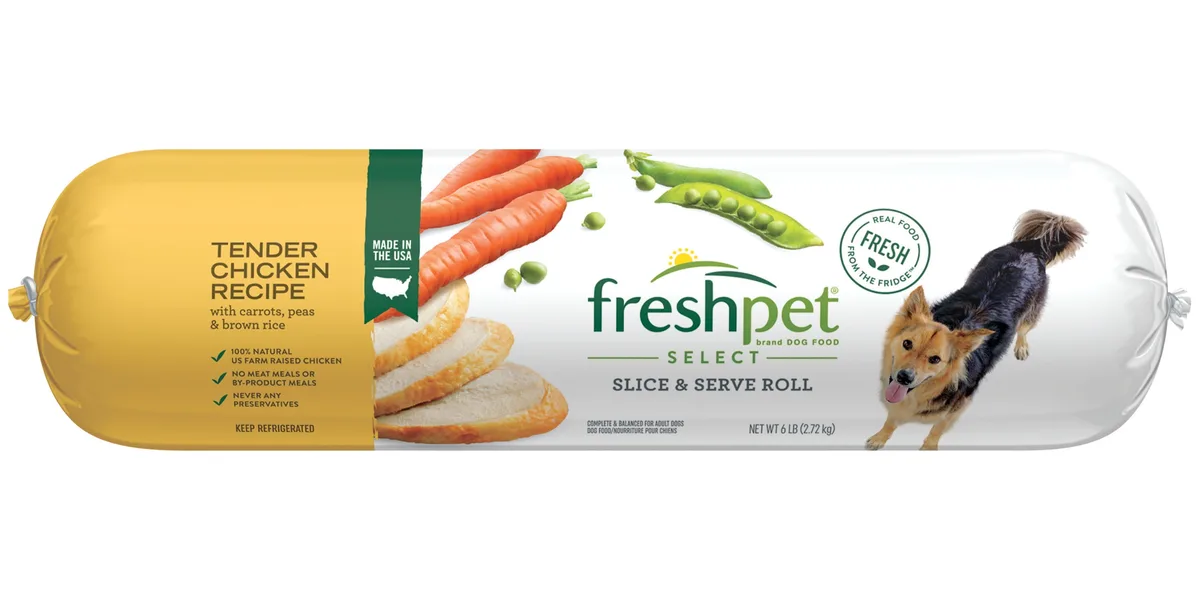
Image source: Bing (Web (fair-use with source credit))
Quick Answer
Freshpet dog food is not safe for cats as a daily diet. Dogs and cats need completely different nutrients. Dog food lacks enough taurine for feline health.
One accidental bite will not cause harm. Never use canine recipes as a feline meal replacement.
Why a Cat’s Obligate Carnivore Biology Can’t Run on Dog Food
Dogs are omnivores. Their bodies easily convert plant-based nutrients into usable energy. Cats cannot do this.
They are obligate carnivores, meaning their biology demands nutrients found exclusively in animal tissue.
When you feed a cat a dog food formula, you are asking their body to run on the wrong fuel. The machinery just does not work that way. Missing amino acids lead to organ failure over time.

Image source: Web (Bing) / pexels.com (Web image (fair-use with source credit))
Taurine Deficiency and Heart Disease
Taurine is an essential amino acid for cats. Dogs manufacture their own taurine internally. Cats lack the enzymes to produce it and must absorb it directly from meat.
Without sufficient taurine, cats develop dilated cardiomyopathy. This is a fatal heart condition where the heart muscle thins out. They also face retinal degeneration leading to irreversible blindness.
Freshpet dog food is not formulated to hit these high feline taurine targets.
Arachidonic Acid and Vitamin A Gaps
Arachidonic acid is a fatty acid cats require for kidney function and skin health. Dogs synthesize it from other dietary fats. Cats cannot.
They need it supplied directly from animal sources in every meal.
Vitamin A works the same way. Dogs convert beta-carotene from vegetables into usable Vitamin A. Cats lack the enzyme for this conversion entirely.
They require preformed Vitamin A, known as retinol, sourced directly from animal organs or muscle tissue.
Protein Density Differences
Cats require significantly more protein than dogs to maintain basic metabolic functions. Manufacturer specifications confirm that Freshpet dog recipes prioritize moderate protein levels suited for canine digestion. Feline metabolism burns through protein much faster.
Feeding lower-protein dog food forces a cat’s body to break down its own muscle tissue. Over months, this leads to severe weight loss and weakness. If you want to understand how missing meals impacts pets generally, read our guide on surviving without meals.
The Real Risks of Feeding Freshpet Dog Formulas to Cats Long-Term
An accidental lick off the kitchen floor is not an emergency. Your cat might experience mild gastrointestinal upset. A slightly loose stool or a skipped meal is normal after eating unfamiliar food.
The actual danger comes from sustained substitution. We are talking about weeks or months of feeding dog food as primary meals. Nutritional deficiencies compound silently before clinical signs appear.
Hepatic Lipidosis from Inadequate Nutrition
Hepatic lipidosis is a severe form of fatty liver disease. It frequently strikes cats that do not consume enough species-appropriate protein. When a cat eats dog food, they often fail to extract the calories they actually need.
Their body responds by mobilizing fat stores too quickly. The liver becomes overwhelmed and stops functioning properly. Without veterinary intervention, this condition is frequently fatal.
Gradual Organ Degeneration
Nutritional gaps do not trigger overnight emergencies. Instead, they cause slow organ damage. The heart muscle weakens gradually due to low taurine intake.
Kidney function declines without proper arachidonic acid.
Owners rarely notice these changes until the damage is advanced. By the time a cat shows visible lethargy or weight loss, the deficiency has been building for months. Proper portion sizing prevents these issues, much like calculating daily meal amounts by weight keeps any pet healthy.
Cross-Species Digestive Upset
Dog food contains higher fiber ratios designed for canine digestion. Cats have shorter digestive tracts optimized for processing pure meat. Excess plant matter ferments in a cat’s gut.
This fermentation causes gas, bloating, and chronic diarrhea. Persistent diarrhea leads to dehydration rapidly in smaller animals. If you suspect your cat ate something wrong, understanding how canine diets affect felines helps clarify the symptoms.
Freshpet Dog Food vs. Freshpet Cat Food: What Actually Changes in the Recipe
Freshpet manufactures specific lines for both species. As of 2026, their Vital and Select cat formulas are engineered to address exact feline requirements. Dog rolls are built for canine biology.
You cannot safely swap one for the other. The ingredient lists might look similar at first glance. Both feature fresh meats and refrigerated storage.
But the nutrient concentrations differ drastically behind the scenes.
| Nutrient | Freshpet Dog Formula | Freshpet Cat Formula |
|---|---|---|
| Minimum Crude Protein | ~18% (dry matter) | ~26%+ (dry matter) |
| Taurine Supplementation | Not guaranteed | Added to meet feline AAFCO standards |
| Arachidonic Acid | Low (dogs synthesize it) | High (sourced from animal fats) |
| Preformed Vitamin A | Variable (often plant-derived) | Guaranteed animal-sourced retinol |
| Fat Source Profile | Mixed plant and animal | Primarily animal-based |
Cold Chain Storage Requirements
Both product lines require strict refrigeration below 40°F (4°C). Fresh pet food lacks the heavy preservatives found in dry kibble. This makes it highly perishable once the seal breaks.
Manufacturer documentation states opened rolls should be consumed within seven days. Leaving either formula at room temperature invites bacterial growth like Salmonella or Listeria. This cold-chain requirement applies equally to all refrigerated pet diets.
Ingredient Sourcing and Bioavailability
Cat formulas rely heavily on muscle meat and organ tissues. These provide the bioavailable amino acids felines demand. Dog formulas often include more grains and vegetables to meet canine energy needs.
Cats absorb nutrients best from raw or lightly cooked animal sources. Extruded dry foods destroy some heat-sensitive vitamins. Refrigerated options preserve these delicate compounds better.
Just remember that choosing high-protein recipes matters most when matched to the correct species.
Formulation Standards
The FDA Center for Veterinary Medicine regulates pet food labeling across the US. Every commercial diet must state if it meets AAFCO nutrient profiles. Look for the “complete and balanced” statement on the packaging.
A dog food label will explicitly state it is formulated for canine maintenance. It will never claim suitability for cats. Always verify the species designation printed directly on the sleeve before serving.
How to Stop Your Cat from Stealing Your Dog’s Fresh Food
Managing a multi-pet household takes strategy. Cats are opportunistic hunters. The smell of fresh meat rolling out of the fridge drives them crazy.
You need physical barriers and strict routines. Relying on your cat to simply ignore the dog’s bowl never works. Here is how we recommend handling feeding time safely.
Implement Scheduled Feedings
Never leave Freshpet dog food sitting out for free-choice grazing. Put the bowls down at the exact same time each day. Supervise the meal while both pets eat.
Once the dog finishes, pick the bowl up immediately. Do not let leftovers sit on the floor. Refrigerated food spoils fast at room temperature anyway.
Discard uneaten portions after 30 to 60 minutes to prevent bacterial growth.
Elevate the Cat’s Feeding Station
Cats naturally prefer eating in elevated spaces where they feel secure. Place your cat’s dedicated Freshpet feline formula on a sturdy shelf or counter. Dogs cannot reach these spots.
This simple change eliminates most food-stealing behavior. Ensure the surface can support the bowl without tipping. Separation during meals reduces stress for both animals.
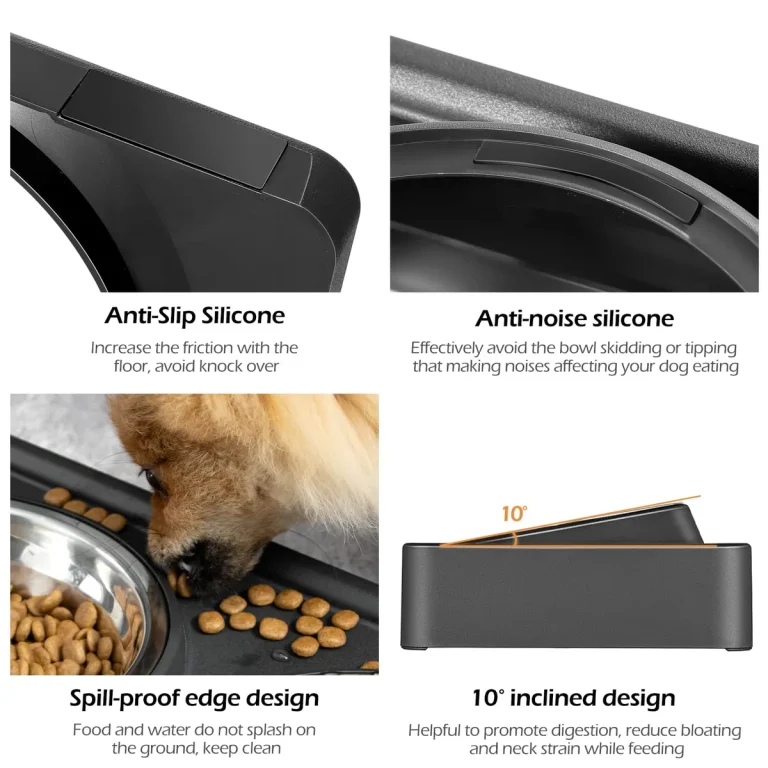
Choosing the right feeding dishes makes managing separate stations much easier.
Use Microchip-Activated Pet Feeders
If your cat remains obsessed with the dog’s food, invest in technology. Microchip-activated feeders only open for the pet wearing the matching collar tag. The lid stays locked when the wrong animal approaches.
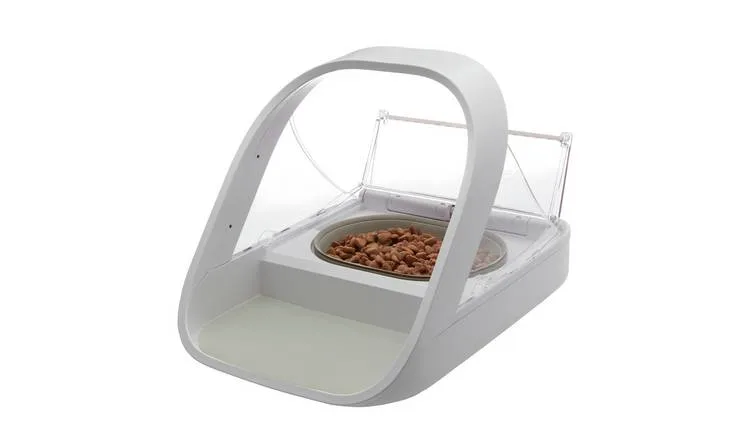
Image source: Bing (Web (fair-use with source credit))
This sounds like an expensive fix. But it prevents costly veterinary bills from nutritional deficiencies later. It also gives you peace of mind when you leave the house.
Supervise Preparation and Thawing
Keep the cat out of the kitchen while you slice the rolls. The prep phase is when theft usually happens. Thaw frozen portions safely inside the refrigerator overnight.
Never thaw fresh food on the counter where a jumping cat can access it. Wash your hands and cutting boards thoroughly between species. Cross-contamination spreads bacteria just as easily between pets as it does between humans.
Frequently Asked Questions
Will one bite of dog food hurt my cat?
A single bite will not cause lasting harm. Your cat might experience mild stomach upset or loose stool. Dog food lacks toxic ingredients for felines.
The danger only appears when it replaces regular meals over weeks or months.
Can I mix Freshpet dog and cat food together?
Never mix canine and feline formulas in the same bowl. Diluting cat food with a dog recipe lowers the taurine and protein concentrations your cat requires. Serve each pet their specific formula separately to prevent nutritional gaps.
Does Freshpet make food specifically for cats?
Yes, Freshpet manufactures dedicated cat lines like Freshpet Vital Cat and Select Cat. These recipes meet AAFCO nutrient profiles for feline maintenance. They include added taurine, higher animal protein ratios, and preformed Vitamin A that dog rolls lack.
What happens if my dog eats the cat’s food?
The reverse scenario causes different problems. Cat food contains much higher fat and protein levels than dogs need. Regular consumption often triggers pancreatitis or rapid weight gain in canines.
We break down what happens when roles reverse if you manage both species.
How do I know if my cat has a nutritional deficiency?
Early signs include lethargy, dull coat, and gradual weight loss. Advanced taurine deficiency causes vision problems or difficulty breathing due to heart enlargement. If your cat ate dog food exclusively for weeks, schedule a veterinary blood panel immediately.
Is homemade fresh food safer than commercial rolls?
Homemade diets frequently miss critical micronutrients unless formulated by a board-certified veterinary nutritionist. Commercial refrigerated foods undergo strict testing to meet baseline survival requirements. Balancing calcium, phosphorus, and amino acids at home leaves too much room for error.