How Long Does It Take for a Dog to Digest Food?
If you’re wondering how long does it take for a dog to digest food, the answer depends on a few moving parts. Most dogs process a meal completely within 8 to 12 hours. That timeline shifts based on what they eat and their body size.
Knowing your dog’s normal rhythm helps you spot problems early.
Per research published by the American College of Veterinary Internal Medicine, total gastrointestinal transit time in healthy adult dogs averages 8 to 10 hours for dry kibble. Puppies and senior dogs often fall outside that window. Let’s break down exactly how this works so you can plan meals, walks, and medications safely.
Quick Answer
Most dogs digest food in 8 to 12 hours. Kibble takes longer than raw meat. Puppies process meals much faster.
Giant breeds need more time. Diet type changes everything.
The Short Answer: How Long Does It Actually Take a Dog to Digest Food?
Total GI transit time is the period from swallowing food to passing stool. For most healthy adult dogs eating standard kibble, that takes 8 to 12 hours as of 2026. If your dog eats a raw or fresh diet, digestion moves faster.
Those meals typically clear the system in 4 to 6 hours.
But that average doesn’t tell the whole story. Your dog’s specific timeline depends on several variables working together. If your dog is a toy breed eating high fat kibble, expect slower movement.
If you have a young large breed eating lean raw food, things move quickly.
Here is how the core variables stack up against each other.
| Variable | Faster Digestion (4 to 8 hours) | Slower Digestion (10 to 14+ hours) |
|---|---|---|
| Diet Type | Raw, fresh cooked, wet canned | Dry kibble, high fiber blends |
| Macronutrients | High protein, low fat | High fat, high insoluble fiber |
| Dog Size | Toy and small breeds | Large and giant breeds |
| Age | Puppies, young adults | Seniors, dogs with motility issues |
| Meal Volume | Small, frequent portions | One massive daily meal |
Use this table as your starting point. Find where your dog fits across these categories. A senior Great Dane eating one large bowl of kibble sits at the slow end.
A young Chihuahua eating small raw meals sits at the fast end.
Understanding these conditions helps you make better daily choices. You’ll know exactly when to schedule bathroom breaks. You’ll also know when a delayed bowel movement warrants attention rather than panic.
This baseline sets up the physical process we look at next.
The Step-by-Step Journey: From First Bite to Final Bathroom Trip
Digestion isn’t a single event. It’s a multi stage workflow driven by mechanical action and chemical breakdown. Every step has its own timeline.
Knowing this sequence helps you understand why certain foods behave differently in your dog’s gut.
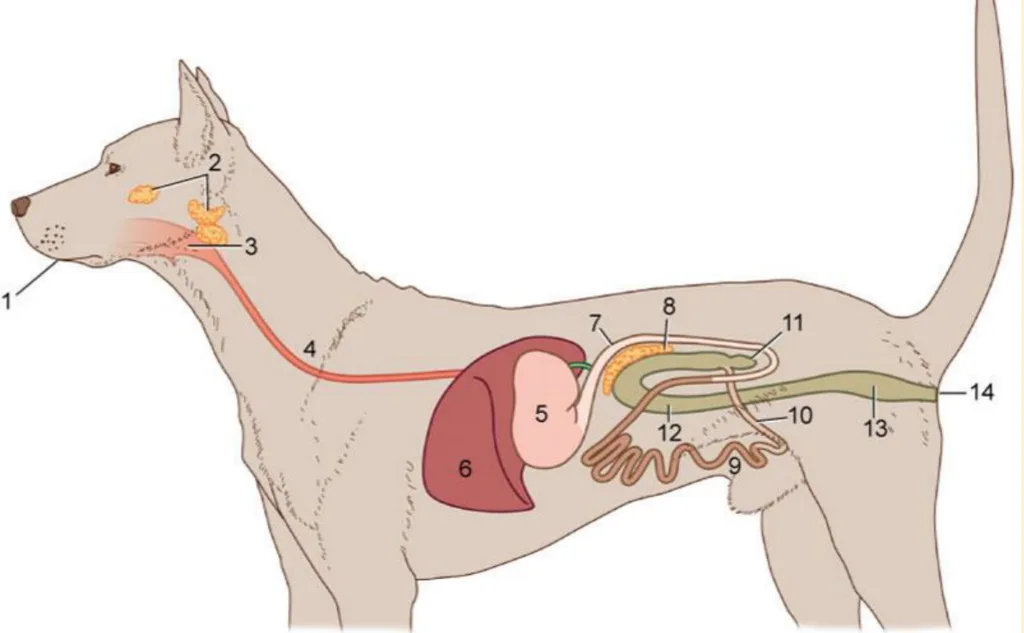
Image source: Web (Bing) / ar.inspiredpencil.com (Web image (fair-use with source credit))
Stage 1: Ingestion and the Stomach (2 to 6 hours)
Dogs don’t chew food like we do. They tear and swallow. Once food hits the stomach, strong hydrochloric acid goes to work.
A dog’s stomach pH drops to 1 or 2. That extreme acidity breaks down proteins and kills bacteria quickly.
If your dog eats raw meat, the stomach processes it fast. Gastric emptying might take just 2 hours. If they eat dense kibble, the stomach needs 4 to 6 hours to soften and churn it into a liquid mix called chyme.
High fat meals delay this emptying significantly.
Stage 2: Small Intestine Absorption (3 to 5 hours)
Chyme enters the duodenum in small amounts. Here, bile salts from the liver and pancreatic enzymes mix with the food. This is where actual nutrient absorption happens.
The walls of the small intestine pull vitamins, minerals, and amino acids into the bloodstream.
This phase runs on a steady clock regardless of diet. Soluble fiber slows it down slightly to maximize absorption. Insoluble fiber pushes things along faster.
By the time chyme leaves the small intestine, most usable nutrition is gone.
Stage 3: Large Intestine and Elimination (Up to 12 hours)
What’s left enters the colon. The large intestine’s main job is water reabsorption. It pulls moisture out of the waste to form solid stool.
The gut microbiome ferments leftover fibers here too.
This final stage is the longest and most variable. Waste can sit in the colon for 12 hours or more. This is why dogs often poop multiple times a day from meals eaten yesterday.
If your dog gets dehydrated, the colon pulls even more water out. That leads to hard stools and constipation.
The entire workflow relies on peristalsis. These are rhythmic muscle contractions pushing food forward. If peristalsis slows down due to stress or illness, the whole timeline stretches out.
Keeping your dog hydrated supports smooth muscle function throughout this journey. Proper hydration is especially critical if you feed dry kibble over canned options since moisture drives colonic transit.
Your Decision Guide: What Changes Your Dog’s Digestion Timeline
You can’t apply a single rule to every dog. If you want to predict your dog’s bathroom schedule or medication timing, evaluate these three conditions first. Each one acts as a branch on your decision tree.
Diet Type: Kibble vs. Raw vs. Fresh Cooked
Food format dictates gastric emptying speed more than anything else. If your dog eats highly processed dry kibble, expect the longest transit time. Kibble expands in the stomach and requires heavy acid exposure to break down.
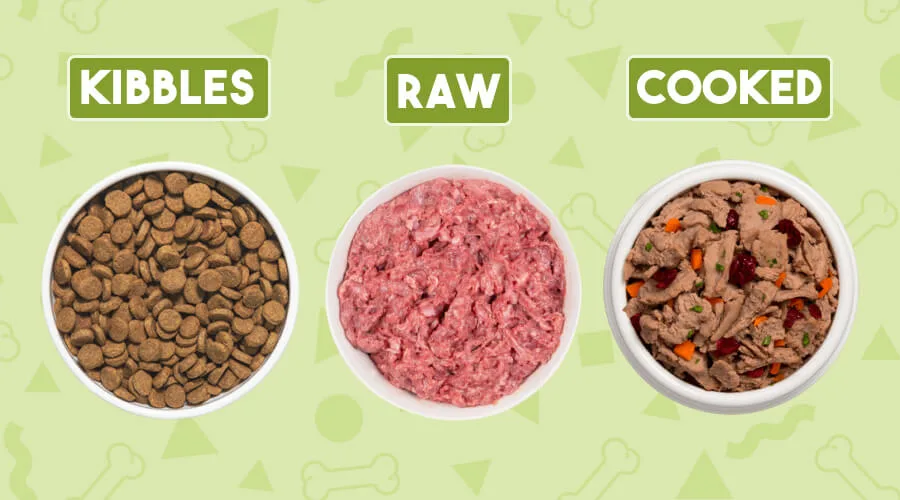
Image source: Web (Bing) / pawinsure.com.au (Web image (fair-use with source credit))
If you feed a raw or biologically appropriate diet, digestion accelerates. Raw meat proteins are highly bioavailable. The stomach recognizes them easily and passes them to the small intestine fast.
Aggregate veterinary data shows raw diets cut total transit time nearly in half compared to extruded kibble.
Fresh cooked meals fall right in the middle. Cooking denatures proteins, making them easier to digest than raw but faster to process than dry pellets. If your dog struggles with chronic loose stools on raw food, switching to gently cooked meals adds a buffer.
- Kibble: 8 to 12 hours total transit. Best for predictable schedules.
- Raw/BARF: 4 to 6 hours total transit. Best for high energy working dogs.
- Fresh Cooked: 6 to 9 hours total transit. Best for sensitive stomachs.
When you decide to change formats, do it gradually. Mixing raw and kibble in the same bowl causes digestive conflict. Kibble needs an acidic environment while raw digests faster.
Feed them at separate meals if you transition between types.
Size, Age, and Breed: Why a Great Dane Isn’t a Chihuahua
Physical anatomy sets hard limits on digestion speed. If you own a toy or small breed, their intestinal tract is physically shorter. Food travels a shorter distance.
Metabolic rates in small dogs run higher too. Expect faster processing overall.
Giant breeds operate in reverse. A Mastiff or Great Dane has a massive gastrointestinal tract. Food spends more time in the stomach simply due to volume.
Their metabolic rate per pound is lower. Total transit time regularly exceeds 12 hours for these dogs.
Age creates another major branch in your decision tree. Puppies process food incredibly fast. Their growing bodies demand rapid nutrient extraction.
If you’re figuring out when younger dogs transition to mature formulas, remember their digestive clocks will naturally slow down during that shift.
Senior dogs face the opposite challenge. Muscle tone in the GI tract decreases with age. Peristalsis weakens.
If your older dog suddenly seems constipated, age related slowing is often the culprit. Choosing easily digestible meals for aging dogs helps compensate for this natural decline.
Fat, Fiber, and Meal Volume
Macronutrient ratios act as dials you can turn to speed up or slow down digestion. Fat is the primary brake pedal. Dietary fat triggers hormones that delay gastric emptying.
If your dog eats a high fat meal, food sits in the stomach much longer.
Fiber works differently depending on the type. Soluble fiber absorbs water and forms a gel. It slows transit time and stabilizes blood sugar.
Insoluble fiber adds bulk and speeds up movement through the colon. If your dog deals with chronic diarrhea, increasing soluble fiber helps firm things up.
Meal volume matters just as much as composition. Feeding one massive daily meal overwhelms the stomach. It forces the GI tract to work overtime, stretching total digestion time.
Splitting that same amount into two or three smaller meals keeps the workflow efficient.
If you’re raising a puppy, managing meal volume is critical. Young dogs need frequent small meals to maintain blood sugar without overloading their stomachs. Understanding how long puppies rely on growth formulas helps you align portion sizes with their changing digestive capacity.
Practical Timelines: When to Feed, Walk, Medicate, and Fast
Knowing the science only helps if you apply it to your daily routine. Here is how to use your dog’s digestion timeline to make practical decisions. We’ve built these guidelines around standard canine physiology verified by organizations like the AVMA.
Timing Exercise and Walks
Never exercise a dog immediately after a full meal. Vigorous activity on a full stomach increases the risk of Gastric Dilatation Volvulus, commonly known as bloat. This is a life threatening emergency where the stomach twists.
If your dog eats kibble, wait at least 2 hours before intense play or running. For raw or fresh food, 60 to 90 minutes is usually sufficient. Light leash walks for bathroom breaks are fine right after eating.
Just keep the pace relaxed and avoid jumping or sprinting.
Administering Medications
Some medications require food buffers to prevent nausea. Others need an empty stomach for proper absorption. If your vet prescribes a drug to be taken with food, give it during the meal.
The medicine will follow the food’s digestion timeline.
If a medication requires an empty stomach, administer it at least 1 hour before feeding or 3 hours after. By the 3 hour mark, the stomach has usually emptied its contents into the small intestine. Always confirm this window with your specific prescription instructions.
Potty Training Schedules
Puppies trigger the gastrocolic reflex quickly. Eating stimulates the colon to make room for new food. If you’re potty training, take your puppy outside 15 to 30 minutes after every meal.
Their short digestive tracts mean waste moves fast.
Adult dogs on kibble typically need to defecate 8 to 12 hours after eating. If you feed breakfast at 7 AM, expect a bowel movement between 3 PM and 7 PM. Tracking this pattern for a week gives you a reliable schedule for your specific dog.
Pre Surgical Fasting
If your dog needs anesthesia, fasting prevents aspiration pneumonia. Vets typically require 8 to 12 hours of fasting before surgery. This ensures the stomach is completely empty.
Water is usually allowed until 2 hours before the procedure.
Don’t guess on fasting times. If your dog eats a very high fat diet, gastric emptying takes longer. Tell your vet exactly what and when your dog last ate.
They may adjust the fasting window based on your dog’s specific digestive speed.
Managing Upset Stomachs
If your dog vomits undigested food hours after eating, gastric emptying failed. A common approach is a temporary fast followed by a bland diet. Boiled chicken and white rice digest quickly without taxing the stomach.
Once symptoms resolve, transition back to regular food slowly. If you are upgrading a growing pup’s nutrition, picking formulated meals for developing breeds prevents unnecessary stomach upset during dietary shifts. Mix the old and new food over 7 to 10 days to let the gut microbiome adapt.
Red Flags: When Slow or Fast Digestion Means a Vet Visit
Not every change in digestion speed is normal. If your dog’s timeline shifts suddenly, pay close attention. Some changes point to simple diet issues.
Others signal medical emergencies that need immediate care.
If your dog vomits undigested food more than 8 hours after eating, gastric emptying has stalled. This happens with motility disorders or blockages. A single episode might just be dietary indiscretion.
Repeated delays require a veterinary exam.
Fast transit causes its own problems. If food moves through the GI tract too quickly, the small intestine can’t absorb nutrients. You’ll see loose, watery stools shortly after meals.
Chronic rapid digestion leads to weight loss and dull coats over time.
Watch for these specific warning signs that override normal timelines:
- Retching without producing vomit or foam
- A hard, visibly distended abdomen
- Lethargy combined with refusal to eat for over 24 hours
- Bloody stool or dark, tarry feces
- Straining repeatedly without passing anything
Bloat remains the most critical risk tied to digestion timing. Large, deep chested breeds are especially vulnerable. If you notice unproductive retching after a meal, go to an emergency vet immediately.
Do not wait to see if it passes.
Foreign body obstructions mimic normal digestion delays perfectly. Dogs swallow toys, socks, and bones regularly. These objects lodge in the intestines and stop peristalsis.
If your dog stops pooping entirely after eating normally, suspect a blockage.
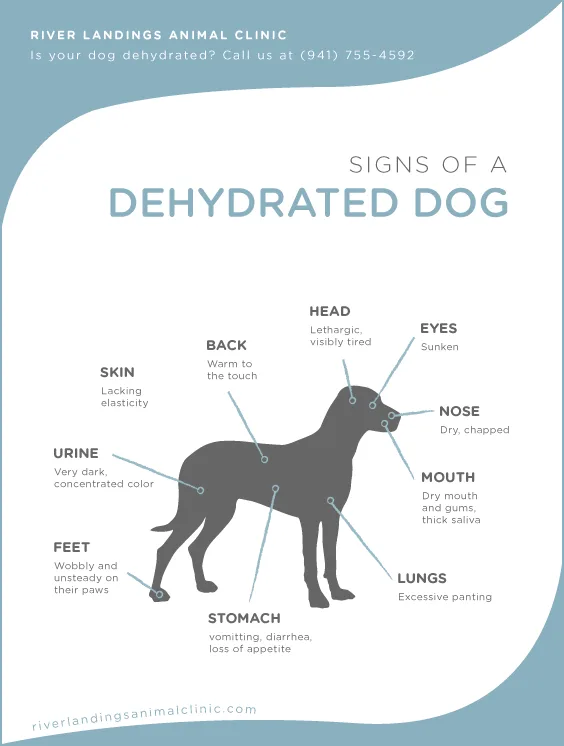
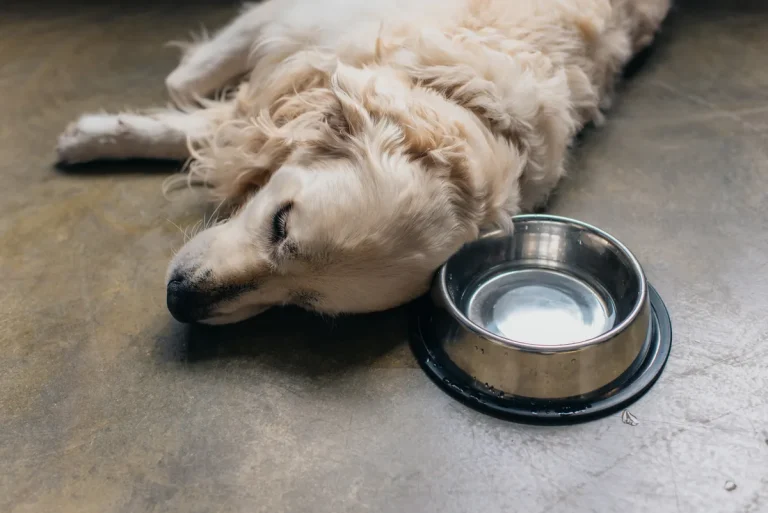
Dehydration also slows colonic water reabsorption. The colon pulls too much moisture from waste when a dog lacks water. This creates hard, dry stools that cause painful straining.
Always ensure fresh water is available to support healthy transit times.
Knowing your dog’s baseline makes spotting these red flags easier. Track their bathroom habits for a week. Note how long it takes between meals and bowel movements.
That personal data is far more useful than generic averages.
Frequently Asked Questions
How long does it take a puppy to digest food?
Puppies digest food much faster than adult dogs. Their total GI transit time usually ranges from 4 to 6 hours. Rapid growth demands quick nutrient extraction.
Expect puppies to need bathroom breaks within 15 to 30 minutes after eating.
Does wet food digest faster than kibble?
Yes, wet canned food digests faster than dry kibble. The high moisture content means the stomach doesn’t need to work as hard to break it down. Wet food typically clears the system in 6 to 8 hours compared to 10 or more for kibble.
Why does my dog poop right after eating?
This isn’t the food they just ate passing through. Eating triggers the gastrocolic reflex. The stomach signals the colon to make room for incoming food.
Your dog is actually eliminating waste from a meal eaten 8 to 12 hours earlier.
Can exercise slow down a dog’s digestion?
Intense exercise diverts blood flow away from the GI tract to working muscles. This temporarily slows peristalsis and digestion. Light walking aids motility.
Vigorous running immediately after meals risks dangerous conditions like bloat. Wait at least two hours before heavy activity.
How long should I fast my dog for an upset stomach?
Vets often recommend fasting an adult dog for 12 to 24 hours after vomiting. This gives the inflamed stomach lining time to rest. Never fast young puppies without veterinary guidance.
Their small size puts them at risk for dangerous drops in blood sugar.
Long-Term Gut Health and Digestion Speed
A healthy gut microbiome keeps your dog’s digestion running on schedule. If beneficial bacteria drop off, transit times become unpredictable. You might see sudden bouts of diarrhea or stubborn constipation.
Supporting that bacterial balance pays off daily.
Feeding the same high quality diet consistently helps maintain this balance. Constant switching forces the GI tract to adapt repeatedly. That stress slows down nutrient absorption over time.
Pick a solid formula and stick with it unless your vet advises otherwise.
If you need to change foods, use a gradual transition. Mix 25 percent of the new food with 75 percent of the old food for three days. Increase the new ratio every few days until the switch is complete.
This gives the colon time to adjust its fermentation process.
Probiotics can help reset a sluggish digestive system. Veterinary specific strains support canine gut flora better than human supplements. Ask your vet which strains match your dog’s specific symptoms.
They often recommend these after antibiotic treatments wipe out good bacteria.
Hydration plays a massive role here too. The large intestine relies on water to form stool properly. Dogs eating exclusively dry kibble need constant access to fresh water.
Adding a little warm water to their bowl softens the meal before it even hits the stomach.
Regular exercise also stimulates natural peristalsis. Daily walks keep the intestinal muscles toned and active. Sedentary dogs frequently suffer from slower gastric emptying.
Movement physically encourages waste to travel through the colon at a healthy pace.