How Many Days Can Dogs Go Without Food? Beginner’s Guide
If your dog hasn’t eaten in a day or two, you’re probably worried, and you should be. But exactly how many days can dogs go without food before it becomes a real emergency? The answer isn’t a single number, because it depends on your dog’s age, size, health, and whether they’re still drinking water.
According to the American Veterinary Medical Association (AVMA), a healthy adult dog with continuous access to water can safely fast for 3 to 5 days without serious complications. That timeline shrinks fast for puppies, small breeds, and dogs with underlying illnesses. Let’s walk through the variables so you know exactly when to wait and when to call the vet.
Quick Answer / Key Insight – The Real Timeline at a Glance
A healthy adult dog with water can go 3 to 5 days without food. Without water, that drops to 2 to 3 days. Puppies need help within 24 hours.
Senior dogs with health problems are an emergency at 12 to 24 hours.
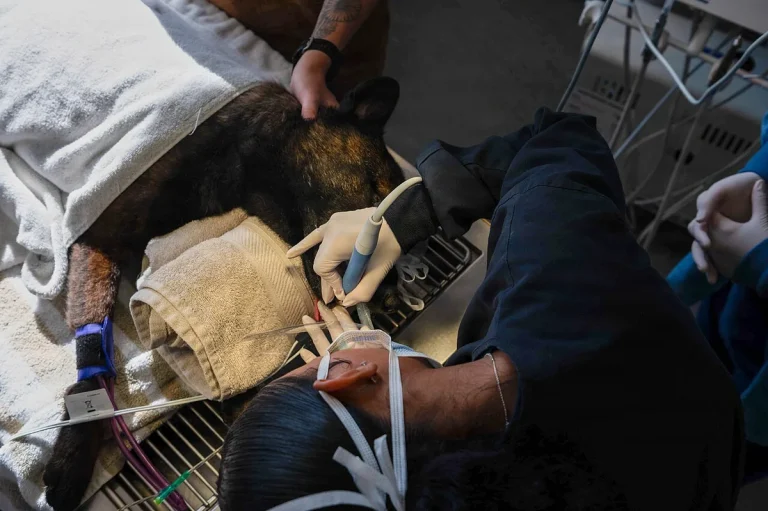
Image source: Wikimedia Commons / ELTORO.VET
Here’s a quick reference based on the main variables:
| Dog Type | With Water – Safe Window | Without Water – Emergency Window |
|---|---|---|
| Healthy adult (medium/large) | 3–5 days | 2–3 days |
| Small breed adult | 24–36 hours | 12–24 hours |
| Puppy under 6 months | 12–24 hours | 6–12 hours |
| Senior with known disease | 12–24 hours | 6–12 hours |
| Sick or vomiting dog | 12–24 hours | Immediate |
This table gives you a starting point. But real-life situations are messier, and the next few sections will help you assess where your dog fits.
Why This Isn’t a Simple Number – What Changes the Timeline
The 3-to-5-day rule only works when every condition is ideal. In reality, several factors can cut that window in half, or even make it dangerous within hours.
Age and Size Matter More Than You’d Think
Puppies have high metabolisms and very little body fat. A puppy that stops eating can run into trouble in under 24 hours because their blood sugar drops fast. Small breeds like Chihuahuas, Yorkshire Terriers, and Toy Poodles have the same problem, their energy reserves are minimal.
A larger breed with a healthy body condition can coast longer because they have more fat stores.
Water Is the Real Emergency (Food Is Secondary)
This is the most important thing to understand: dehydration kills faster than starvation. A dog can survive days without food, but a dog without water will be in critical danger within 48 hours in normal temperatures, faster in hot weather. Always prioritize water. If your dog is drinking, you have more time.
If they’re not, the clock is ticking much faster.
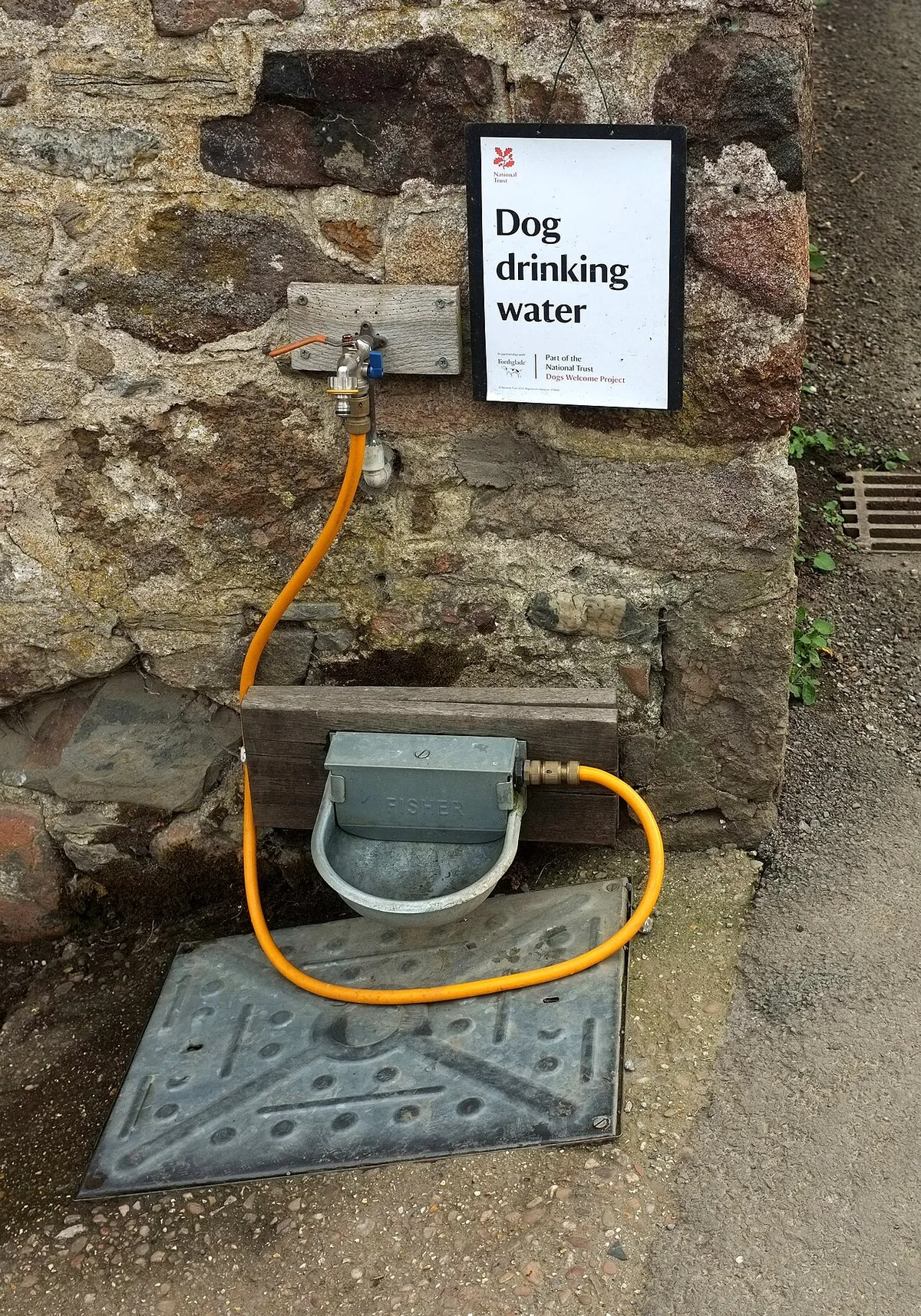
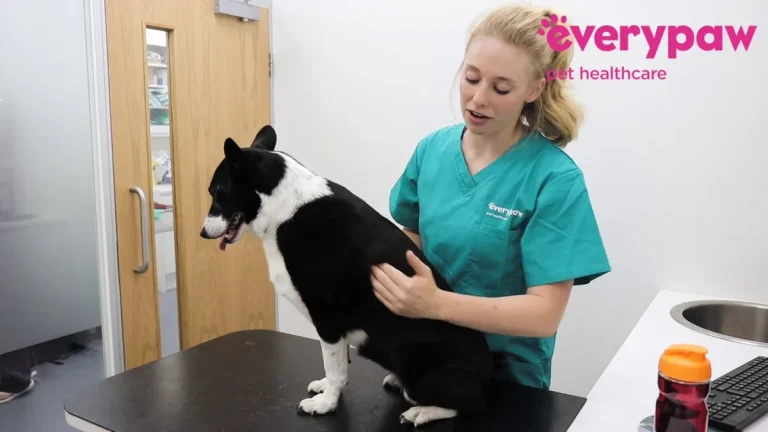
Image source: Wikimedia Commons / Derek Harper (CC BY-SA)
Healthy Adult vs. Sick or Senior Dog – Two Different Worlds
A healthy 2-year-old Labrador with no medical history can safely turn down food for a couple of days, they’re just being picky or stressed. A 12-year-old Golden Retriever with kidney disease cannot. Diabetes, pancreatitis, liver disease, and cancer all deplete energy reserves faster and can spiral into a crisis within hours.
If your dog has a chronic condition and stops eating, call your vet the same day.
How to Tell If Your Dog Is Just Being Picky or Truly Ill
This is the hardest question for any owner. The good news is there are clear signals that separate a stubborn dog from a sick one.
The Behavioral Branch – Stress, Routine Change, or Stubbornness
Dogs go on hunger strikes more often than people think. Common triggers include a new environment (moving, boarding), a change in food brand, upsetting events (new pet, loud noises), or simply being offered too many treats earlier in the day. A behaviorally picky dog usually looks and acts normal otherwise, bright eyes, normal energy, drinking water, wagging tail.
They’re just holding out for something better. If your dog is acting fine but turning up their nose, this article on why dogs refuse food covers exactly those scenarios.
The Medical Branch – Vomiting, Diarrhea, Lethargy, Pain
When food refusal is medical, there are almost always other symptoms. Watch for vomiting (especially bile or blood), diarrhea, lethargy, hiding, a hunched back, pale or sticky gums, or a fever. A dog that seems depressed, won’t get up, or reacts when you touch their belly needs immediate attention.
In those cases, the food refusal is just one clue of a bigger problem.
Step-by-Step Decision Tree: What to Do Right Now
Follow this sequence in order. At each step, you’ll either rule out danger or move the timeline forward.
Step 1 – Check Water Intake (Your Most Critical Signal)
Is your dog drinking? If yes, you have more time. If no, this is an emergency, especially if it’s been more than 12 hours without water.
Offer clean, fresh water. If they won’t drink, try ice cubes or a little sodium-free broth. Still no?
Call your vet.
Step 2 – Assess Gums, Temperature, and Body Condition
Healthy gums should be moist and pink. Press your finger gently on the gum, the color should return within 1, 2 seconds. If it’s slow, sticky, or pale, your dog may be dehydrated or in shock.
Take their temperature (normal is 101°F, 102.5°F). A fever above 103.5°F or a low temp below 100°F is a red flag.
Step 3 – Time Since Last Meal + Age/Size Triage
Cross-reference the elapsed time with your dog’s profile using the table above. A healthy adult at 36 hours with water is still in the safe zone. A puppy at 18 hours or a senior with a known condition at 12 hours is already past the caution line.
Step 4 – Offer the Right Food at the Right Temperature
Warm food is more aromatic and tempting. Try plain boiled chicken (no bones, no skin) with white rice, a spoonful of jarred turkey baby food (no onion powder), or low-sodium chicken broth poured over their usual kibble. Hand-feeding can also break a stubborn streak.
If your dog is underweight and has lost appetite, this guide on safe weight-gain foods may help.
Step 5 – When to Call the Vet (By the Hour)
Here are the hard cutoffs based on our research and veterinary guidelines:
- Healthy adult, still drinking: Call if no food for 48 hours.
- Puppy (any age, any size): Call at 24 hours.
- Senior or dog with chronic disease: Call at 12 hours.
- Any dog not drinking: Call immediately.
- Any dog with vomiting, lethargy, or pain: Call immediately.
Common Mistakes That Make Things Worse
Knowing what not to do is just as important as knowing the timeline.
Mistake 1 – Waiting Too Long Because “He’ll Eat When He’s Hungry”
That’s true for a healthy adult dog who’s just being picky. It’s dangerously wrong for a dog with a medical problem. If there’s an obstruction, pancreatitis, or infection, waiting only makes it worse.
When in doubt, call your vet sooner rather than later.
Mistake 2 – Switching Food Too Quickly
A dog that isn’t eating doesn’t need a brand-new bag of food, they need something bland and predictable. Switching abruptly can cause diarrhea, which makes dehydration worse. Stick to plain chicken and rice or a single-ingredient treat.
Mistake 3 – Ignoring Water While Focusing on Food
Many owners obsess over the food bowl while the dog’s water bowl sits untouched. Water is the priority. Dehydration causes organ damage faster than hunger.
If you can only get one thing into your dog, make it water.
Mistake 4 – Force-Feeding a Vomiting or Distended Dog
Syringe-feeding a dog that’s nauseous or has a bloated belly can cause aspiration pneumonia or make an obstruction worse. Never force-feed if your dog is actively vomiting, has a hard belly, or seems painful. That’s a vet’s job.
Now that you’ve ruled out the immediate dangers and know when to act, the next section covers the special high-risk groups, puppies, small breeds, and dogs with chronic illnesses, where the timeline is much shorter.
When the Timeline Shrinks – Puppies, Small Breeds, and Sick Dogs
Not every dog gets the 3-to-5-day grace period. Three groups need a much tighter clock, and the margin for error is dangerously small.
Puppies Under 6 Months
A puppy’s body burns energy fast and stores almost no fat. Blood sugar can crash within 12 to 24 hours of the last meal. That can cause weakness, tremors, or even seizures.
If your puppy hasn’t eaten in 12 hours, call your vet. If they’re also not drinking, don’t wait.
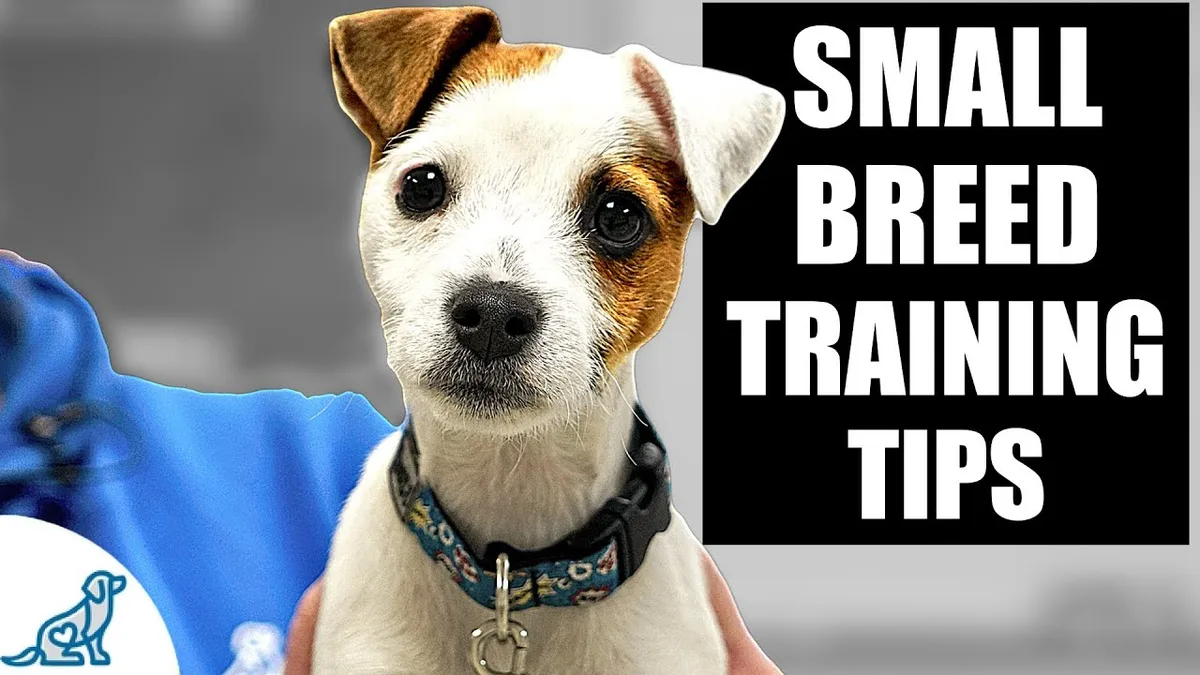
Image source: YouTube / McCann Dog Training (YouTube thumbnail (fair-use with source credit))
Small Breed Adults
A Chihuahua, Yorkie, or Maltese has the same problem. Their high metabolism and low body mass mean they hit hypoglycemia faster than a Labrador. The safe window for a small breed with water is about 24 to 36 hours.
Without water, it’s 12 to 24 hours. Feeding a balanced weight-maintenance diet regularly is especially important for these breeds.
Dogs With Chronic Illness
Diabetes, kidney disease, pancreatitis, and cancer all drain energy reserves and disrupt metabolism. A diabetic dog that stops eating can slip into ketoacidosis within hours. A dog with kidney disease can become dehydrated and electrolyte-imbalanced fast.
For any dog with a known chronic condition, the rule is simple: call the vet the same day they refuse food, not the next day.
The Danger of Going Beyond 3 to 5 Days – Refeeding Syndrome
If your dog has gone more than five days without eating, the biggest risk isn’t starvation itself. It’s what happens when food finally returns.
What Refeeding Syndrome Is
Refeeding syndrome is a metabolic disturbance that occurs when a malnourished body suddenly gets a large meal. The rapid shift in electrolytes (especially phosphorus, potassium, and magnesium) can cause heart arrhythmias, respiratory failure, and neurological damage. It is potentially fatal.
The Merck Veterinary Manual lists refeeding syndrome as a known risk after prolonged fasting in dogs, especially those that were already thin or sick.
How to Safely Reintroduce Food
If your dog has gone more than five days without food, do not offer a full meal. Start with a very small portion of an easily digestible food: about one quarter of their normal portion of plain boiled chicken and white rice. Feed that every 4 to 6 hours for the first 24 hours.
If they tolerate it without vomiting or diarrhea, gradually increase the amount. The best approach is to let a vet supervise the first 24 hours of refeeding, especially for already underweight dogs. Transitioning back to their regular diet should be done slowly over several days.
Real Scenarios – What It Looks Like in Practice
Sometimes the textbook rules feel abstract until you see them play out. Here are three typical cases.
Scenario A – The Healthy Adult Who Skipped Dinner
A 3-year-old Labrador stopped eating after a stressful boarding visit. He drank water normally and acted fine. His owner waited 36 hours, offered warm chicken and rice by hand, and he ate.
No vet needed. This is the behavioral branch: a healthy dog with no other symptoms can safely wait up to 48 hours.
Scenario B – The Senior Dog With Kidney Disease Who Stopped Eating
A 14-year-old Beagle with chronic kidney disease refused breakfast. By noon she was lethargic. The owner called the vet within 12 hours.
Bloodwork showed elevated kidney values and dehydration. She stayed on IV fluids overnight and started a prescription diet the next day. Waiting longer would have caused kidney damage to accelerate.
Scenario C – The Missing Dog Found After 4 Days
A mixed-breed dog escaped and was found four days later. He was drinking from a stream but had not eaten. He was thin but alert.
The vet checked his electrolytes before allowing food. He started on small, frequent meals of a bland diet and recovered fully. The water access saved him.
Without it, he would have been in critical danger within 48 hours.
Pro Advice – What Works When Nothing Seems to Work
When appetites won’t budge, a few extra tricks can turn the corner.
Warm, Smelly Food and Hand-Feeding Tricks
Warming food releases aroma compounds that trigger a dog’s interest even when they feel off. Microwave plain chicken and rice for 10 to 15 seconds. Stir it so there are no hot spots.
Drizzle a little warm sodium-free broth over kibble. Hand-feeding one piece at a time can also overcome the “not interested” stance. Sitting on the floor with them during meal time reduces stress.
Homemade food is often more appealing than commercial dry food for reluctant eaters.
When Appetite Stimulants Make Sense (Vet-Prescribed Only)
Drugs like mirtazapine and Entyce can kickstart a dog’s appetite, but they are prescription-only for a reason. They are not first-line tools. A vet will prescribe them after ruling out obstruction, pancreatitis, or other causes of nausea.
Never use over-the-counter human appetite boosters or sedatives. They can do more harm than good.
Syringe Feeding – When and How to Do It Safely
Syringe feeding is a temporary tool, not a solution. It should only be used if a vet has confirmed there is no vomiting, no obstruction, and no aspiration risk. Use a liquid-consistency food (baby food turkey, watery gruel).
Aim the syringe toward the cheek pouch, not the back of the throat. Give small amounts. Stop if the dog coughs or resists.
If you need to syringe feed more than once, ask your vet about a feeding tube instead.
Frequently Asked Questions
Can a dog survive 5 days without food?
Yes, a healthy adult dog with continuous access to water can survive 5 days without food. After the 5-day mark, the risks of organ damage and refeeding syndrome rise sharply. A vet should assess any dog that has gone more than 72 hours without eating.
Is it normal for a dog to go 2 days without eating?
It can be normal for a healthy adult dog who is stressed, adjusting to change, or being picky. As long as the dog is drinking water and has no vomiting, diarrhea, or lethargy, a 48-hour fast is typically safe. Monitor closely and call the vet if other symptoms appear.
When should I worry if my dog hasn’t eaten in 24 hours?
Worry at 24 hours if the dog is a puppy, a senior, a small breed, or has a chronic illness. Worry if the dog is also not drinking, vomiting, lethargic, or showing signs of pain. For a healthy adult with no other symptoms, the cautious threshold is 48 hours.
What if my dog is drinking water but not eating?
That is a good sign. Water intake buys you time. A healthy adult can safely wait up to 48 hours if they are drinking and have no other symptoms.
Continue offering food in tempting forms. Call the vet if food refusal reaches 48 hours or if new symptoms appear.
Final Decision Guide – Your Cheat Sheet for When to Act
Use this quick reference the moment your dog refuses a meal. It condenses everything above into simple yes-or-no decisions.
| Check This First | If Yes | If No |
|---|---|---|
| Is your dog drinking water? | You have time. Focus on food next. | This is an emergency. Call your vet now. |
| Is your dog vomiting, lethargic, or in pain? | Call your vet immediately. | Move to the next check. |
| Is your dog a puppy, small breed, senior, or has a chronic illness? | Call your vet if no food for 12 to 24 hours. | Healthy adults can wait up to 48 hours. |
| Has it been more than 48 hours since your dog ate? | Call your vet today. | Monitor closely through the 48-hour mark. |
| Has it been more than 5 days? | Vet supervision needed for refeeding. Do not feed a full meal. | Not applicable if food resumed earlier. |
Print this table or bookmark the page. It gives you a clear path when worry sets in. The key takeaway is simple: water is the priority, age and health change the clock, and when in doubt, a phone call to your vet costs nothing and can save a life.