Why Are Dogs so Greedy With Food?
Why are dogs so greedy with food? It’s a question that plagues many owners. You watch your dog inhale their dinner in seconds, then stare at you like they haven’t eaten in days.
This behavior often feels like pure gluttony or bad manners. But for many canines, this intense drive stems from biology rather than personality flaws.
We’ve seen countless cases where “greed” masks serious medical issues. As of 2026, veterinary nutrition guidelines emphasize distinguishing between behavioral habits and physiological hunger. The difference matters because treating a sick dog with training commands won’t fix an underlying hormone imbalance.
Let’s break down what’s really happening inside your dog’s body before assuming it’s just attitude.
Quick Answer
Dogs appear greedy due to evolutionary scavenging instincts and modern caloric deficits. True medical polyphagia involves excessive hunger caused by diabetes or parasites. Behavioral resource guarding differs from biological starvation signals.
Always rule out health issues first. Consult a vet if hunger persists despite adequate feeding.
When “Greed” Is Actually a Medical Red Flag
True medical polyphagia is defined as abnormal, excessive eating accompanied by weight loss or other symptoms. It is not simply loving food. Many owners mistake this clinical sign for enthusiasm.
However, the distinction is critical for your pet’s survival. Conditions like Diabetes Mellitus prevent cells from absorbing glucose properly. The body thinks it is starving even when blood sugar is high.
Cushing’s disease (hyperadrenocorticism) also drives relentless hunger through excess cortisol production. Intestinal parasites steal nutrients directly from the gut lining. These scenarios create a genuine physiological deficit.
Your dog isn’t being rude; they are biologically desperate. Ignoring these signs leads to severe complications. Early diagnosis saves lives and prevents unnecessary suffering.
| Condition | Primary Mechanism | Key Warning Sign |
|---|---|---|
| Diabetes Mellitus | Cellular glucose starvation | Increased thirst/urination |
| Cushing’s Disease | Cortisol-driven appetite spike | Pot-bellied appearance |
| Intestinal Parasites | Nutrient theft in gut | Loose stools/worms visible |
| Pancreatic Insufficiency | Lack of digestive enzymes | Fatty/yellow diarrhea |
If your dog eats voraciously but loses weight, stop reading. Go to the vet immediately. This combination rarely resolves on its own.
Professional diagnostics are required to identify the root cause. Do not attempt home remedies for suspected endocrine disorders. They require precise medication management under supervision.
The Hormonal Trap: Why Your Dog Can’t Feel Full
Leptin resistance plays a major role in chronic overeating behaviors. Leptin is the hormone responsible for signaling satiety to the brain. In obese dogs, fat cells produce high levels of leptin.
Paradoxically, the brain stops responding to these signals effectively. The dog remains hungry despite having ample energy reserves. This creates a vicious cycle of consumption and storage.
Ghrelin, the “hunger hormone,” spikes before meals and drops after eating. In some dogs, ghrelin levels remain elevated longer than normal. This prolongs the feeling of emptiness post-meal.
Modern kibble processing can exacerbate this issue. High-carbohydrate diets cause rapid blood sugar crashes. These crashes trigger renewed hunger signals within hours.
We recommend evaluating the nutrient density of current feeds. Low-quality foods often fill volume without providing sustained energy. How Much Raw Food To Feed Dog offers insights into bioavailability differences.
Whole prey components digest slower than processed starches. Slower digestion maintains stable blood glucose levels. Stable glucose reduces hormonal hunger spikes.
Understanding this mechanism helps tailor dietary interventions. It shifts focus from restriction to satisfaction.
Ruling Out the Big Three: Diabetes, Cushing’s, and Parasites
Diabetes mellitus requires immediate insulin therapy or oral hypoglycemics. Untreated, it leads to diabetic ketoacidosis, a fatal emergency. Cushing’s disease demands careful titration of medications like trilostane.
Both conditions mimic behavioral greed initially. Blood tests differentiate them clearly. Glucose curves and ACTH stimulation tests provide definitive answers.
Never guess based on observation alone.
Parasitic loads vary by geography and exposure history. Heartworm areas impact nutritional status significantly. Regular fecal flotation tests catch roundworms and hookworms early.
These pests consume vital proteins and fats. The host dog compensates by eating more. Deworming protocols must align with local prevalence rates.
What Happens If My Dog Eats Cat Food highlights another risk factor. Scavenging cat food introduces different parasite vectors. Cross-contamination spreads infections rapidly.
Vigilance in preventive care is non-negotiable.
Consider pancreatic exocrine insufficiency (PEI) as well. PEI prevents proper enzyme release for digestion. Food passes through undigested, causing malnutrition.
Enzyme replacement supplements solve this quickly. Diagnosis involves specific blood markers like TLI. Treating PEI eliminates the frantic search for calories.
Owners often report dramatic behavior changes post-diagnosis. The “greed” vanishes once absorption improves. Accurate testing saves months of frustration.
Behavioral Scarcity vs. Biological Hunger
Resource guarding is distinct from polyphagia. Guarding involves protecting items from perceived threats. Biological hunger involves consuming available resources.
Shelter rescues often display both simultaneously. Past trauma teaches dogs that food disappears unpredictably. This learned anxiety persists long after safety is established.
Training addresses the fear, not the physiology.
Free-choice feeding worsens scarcity mindsets for some breeds. Unpredictable access triggers hoarding behaviors. Scheduled meals restore routine and security.
Dogs learn when to expect nourishment. This predictability lowers stress-induced eating drives. When To Switch From Puppy Food To Dog Food notes developmental stages.
Puppies have higher metabolic rates naturally. Adult transitions require adjusted expectations. Misinterpreting growth hunger as greed causes errors.
Respect breed-specific food drives too. Labradors and Beagles possess genetic predispositions. Their brains reward calorie intake more intensely.
This isn’t moral failing; it’s evolution. Manage environment accordingly. Remove visual cues during meals.
Reduce competition between household pets. Create calm, dedicated eating zones. Consistency builds trust over time.
Trust reduces defensive eating patterns.
The Immediate Safety Fix: Preventing Bloat and Choking
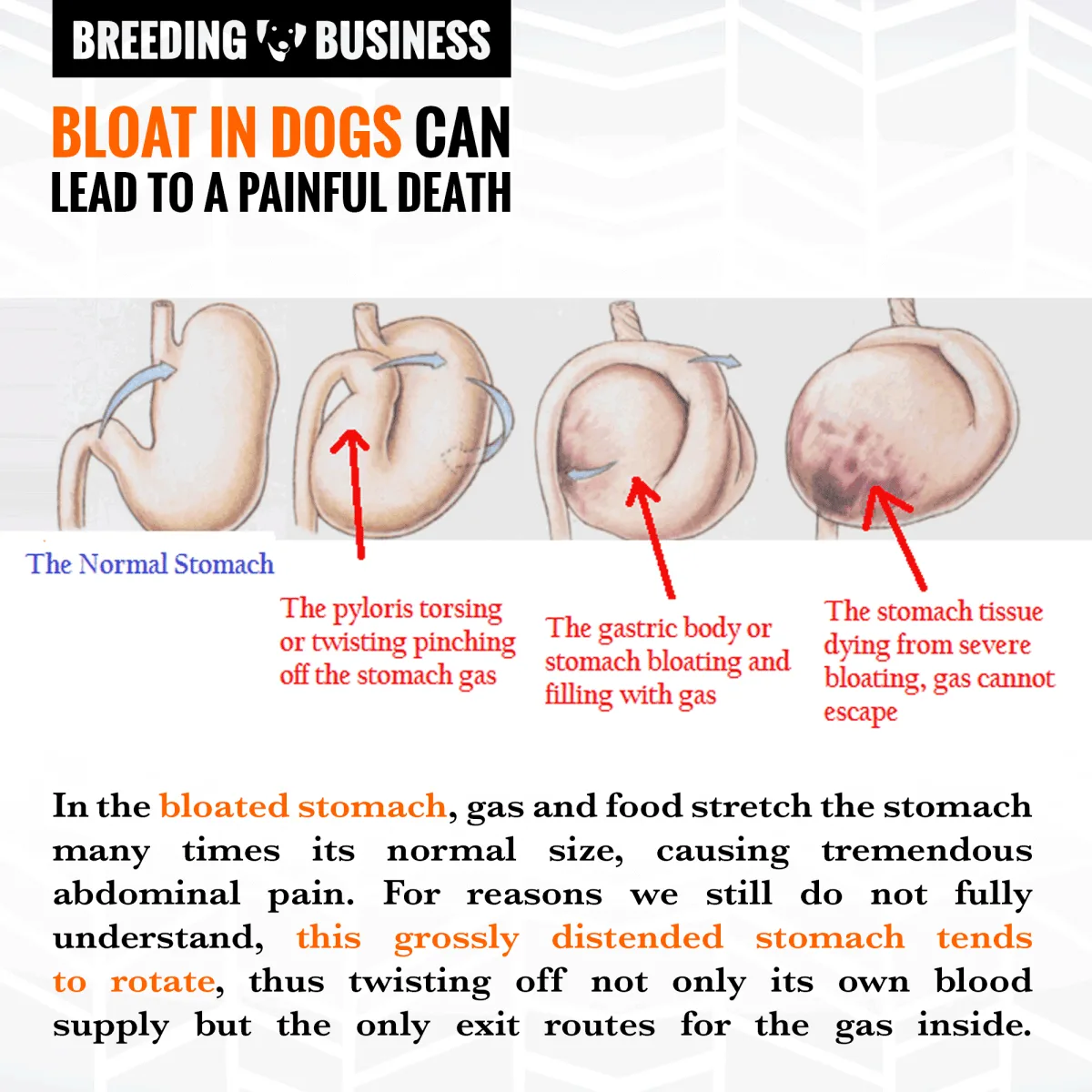
Rapid ingestion poses acute physical dangers. Gastric Dilatation-Volvulus (GDV), known as bloat, kills quickly. Deep-chested breeds face highest risks.
Gulping air alongside food expands the stomach. The organ twists, cutting off blood supply. Emergency surgery is often the only solution.
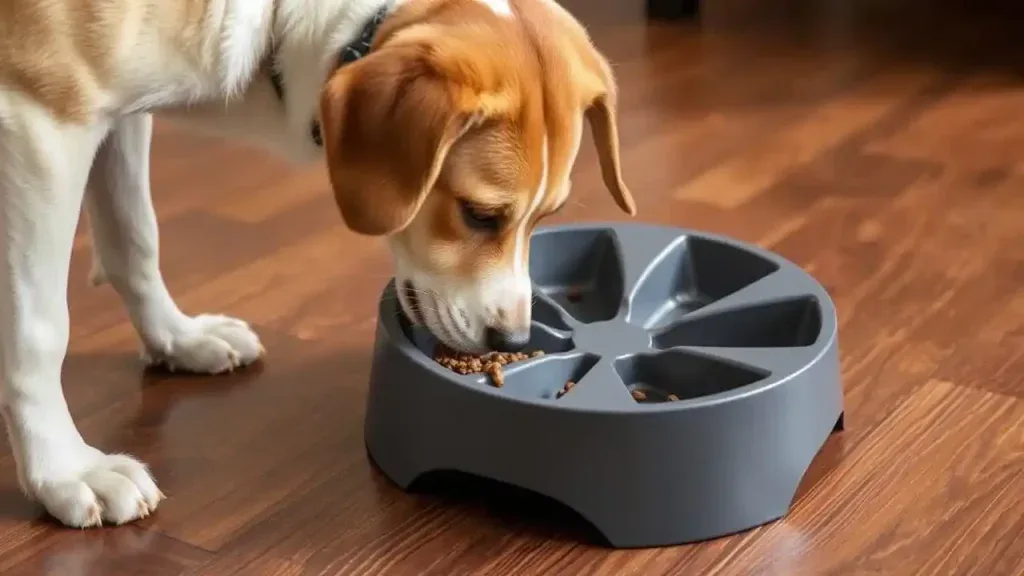
Prevention starts with slowing down intake. Slow-feeder bowls disrupt the vacuum effect. Puzzle feeders engage cognitive processing time.
These tools extend meal duration safely.
Choking hazards increase with large kibble sizes. Small dogs struggle with oversized pellets. Soaking food softens texture temporarily.
How To Soften Dog Food details hydration methods. Moisture aids swallowing and digestion. Monitor water intake closely during meals.
Dehydration accelerates choking risks. Ensure fresh water is always accessible nearby. Avoid exercise immediately after eating.
Wait at least two hours before vigorous activity. Rest allows gastric emptying to proceed normally. These simple steps save lives daily.
Never ignore speed of consumption metrics. Track minutes per meal consistently. Sudden increases signal distress or illness.
Document changes for veterinary review. Proactive management beats reactive crisis response every time.
How to Reset Mealtime Without Starving Them
Start by weighing food portions precisely. Cups are unreliable due to varying kibble densities. Use a digital kitchen scale for accuracy.
This ensures your dog gets the exact caloric target. Overfeeding often masquerades as underfeeding in low-quality diets.
Split daily rations into three smaller meals. Frequent, small feeds stabilize blood sugar levels. This reduces the intense hunger pangs between meals.
Your dog feels satisfied more consistently throughout the day. It mimics natural grazing patterns better than one big gulp.
Incorporate high-volume, low-calorie fillers like green beans. These add bulk without significant energy density. They stretch the stomach physically, triggering satiety signals.
Ensure any added vegetables are safe for canine consumption. Avoid onions or garlic, which cause hemolytic anemia.
Use puzzle feeders to slow down intake. Mental engagement tires the brain alongside the body. This satisfies the instinctual need to work for food.
It transforms eating from a chore into an activity. The delay allows leptin signals to reach the brain.
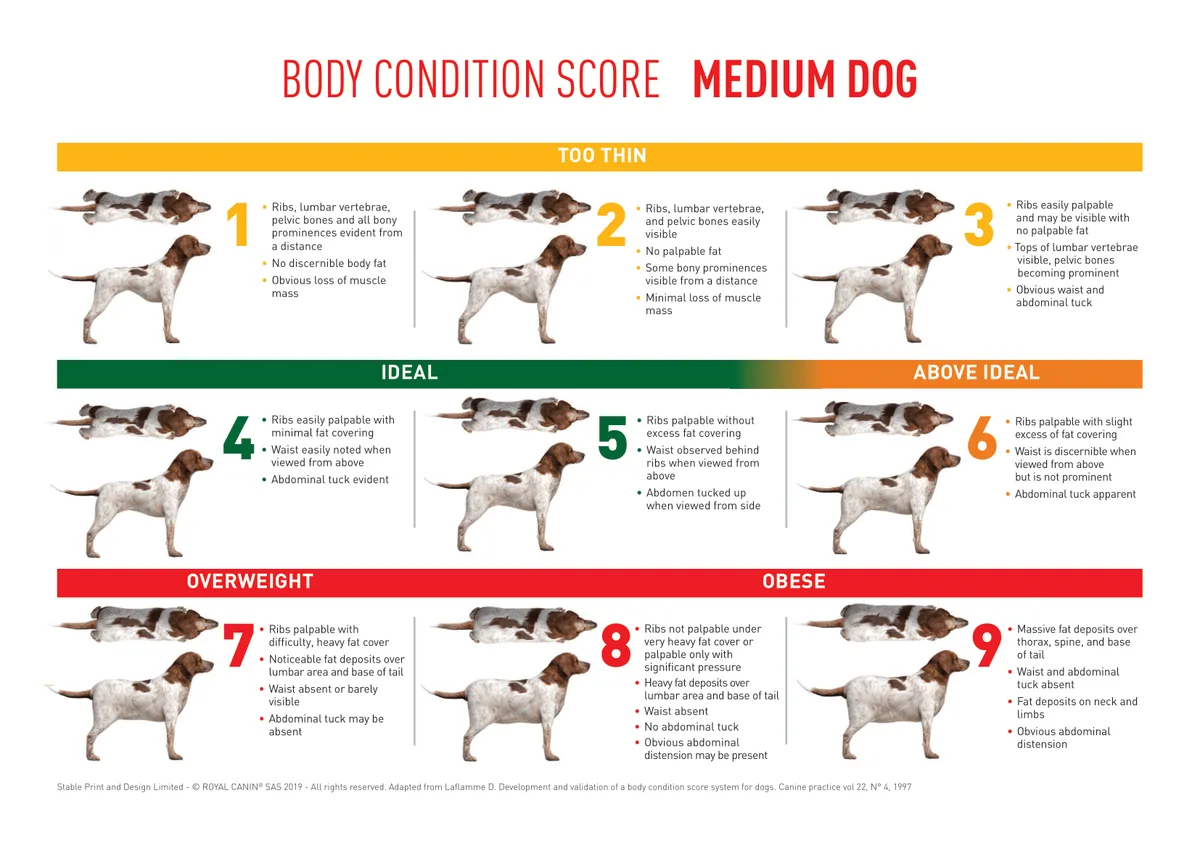
Monitor body condition scores weekly. Adjust portions based on rib visibility and waist definition. A score of 4/9 or 5/9 is ideal for most adults.
Don’t rely solely on the bag’s feeding chart. Individual metabolism varies significantly by breed and age.
When to Call the Vet: Diagnostic Checklist
Visit a veterinarian if weight loss accompanies increased appetite. This combination strongly suggests metabolic disease. Blood tests check glucose, cortisol, and thyroid levels.
Urinalysis confirms diabetes through ketone presence. Early intervention prevents irreversible organ damage.
Request fecal examinations for parasite screening. Worms steal nutrients directly from the intestinal tract. Symptoms may include diarrhea or visible segments in stool.
Deworming protocols should match local geographic risks. Repeat testing ensures complete eradication.
Discuss pancreatic enzyme supplementation if stools are fatty. Pale, greasy feces indicate poor fat digestion. Pancreatic exocrine insufficiency requires lifelong management.
Enzyme powders mixed with food restore absorption. Improvement is often seen within days.
Evaluate dental health during the exam. Painful teeth make chewing difficult. Dogs swallow whole kibble to avoid discomfort.
This leads to rapid consumption and choking risks. Professional cleaning resolves underlying pain sources.
Keep a detailed food diary for two weeks. Record types, amounts, and timing of all intake. Include treats, table scraps, and supplements.
This data helps vets distinguish true polyphagia from scavenging habits. Bring the log to your appointment.
Frequently Asked Questions
Is my dog just begging or actually hungry?
Begging is often learned behavior reinforced by owner attention. True hunger involves physiological signs like weight loss or lethargy. If your dog maintains a healthy weight, it’s likely behavioral.
Stop giving in to whining to break the cycle. Consistency is key to resetting expectations.
Can I free-feed my greedy dog?
Free-feeding rarely works for dogs with high food drives. It encourages rapid consumption and increases bloat risk. Portion control is safer and more effective.
Scheduled meals allow you to monitor intake accurately. It also provides structure that reduces anxiety around food.
Do slow-feeder bowls actually help?
Yes, they physically obstruct rapid gulping. The maze design forces the dog to eat slowly. This aids digestion and prevents air swallowing.
However, some dogs get frustrated and stop eating. Monitor their reaction closely during initial use. Transition gradually to avoid meal refusal.
Why does my dog eat cat poop?
Coprophagia is common but concerning. Cat food is higher in protein and fat. Dogs seek these dense calories aggressively.
It can transmit parasites like toxoplasmosis. Keep litter boxes inaccessible using baby gates. Bitter apple spray on waste deters consumption effectively.
How long until behavior changes after vet visits?
Medical corrections show results within days to weeks. Behavioral adjustments take longer, often months. Patience is essential during transition periods.
Reinforce positive mealtime habits consistently. Reward calm behavior with praise, not extra food. Track progress using photos and weight logs.