Guide to What Foods Can Cause Seizures in Dogs
Figuring out what foods can cause seizures in dogs is urgent, especially if your pet has just eaten something suspicious. Not every twitch means epilepsy. Sometimes it’s a direct reaction to a toxin hitting the nervous system.
We need to separate accidental poisoning from chronic conditions quickly.
The stakes are high because timing matters. As of 2026, veterinary toxicology data shows that rapid intervention prevents most fatalities. Some toxins act within minutes, while others take hours.
Knowing which is which saves lives. Let’s break down the difference between a seizure caused by disease and one caused by dinner.

Image source: Bing (Web (fair-use with source credit))
Quick Answer
Certain human foods trigger canine seizures via neurotoxicity. Chocolate contains theobromine, a potent stimulant. Xylitol causes hypoglycemia leading to convulsions.
Macadamia nuts affect muscle control and nerves. Alcohol depresses the central nervous system dangerously. Caffeine overstimulates brain activity rapidly.
Moldy corn introduces mycotoxins like aflatoxin. These substances disrupt neural signaling. Immediate vet care is critical for ingestion cases.
Do not wait for symptoms to worsen.
Why Food-Induced Seizures Are Different From Epilepsy
Most owners confuse primary epilepsy with acute toxicity. They look similar but stem from different roots. Primary idiopathic epilepsy is genetic.
It happens without an external trigger. The brain misfires due to inherent structural or chemical issues. This condition usually starts between six months and five years of age.
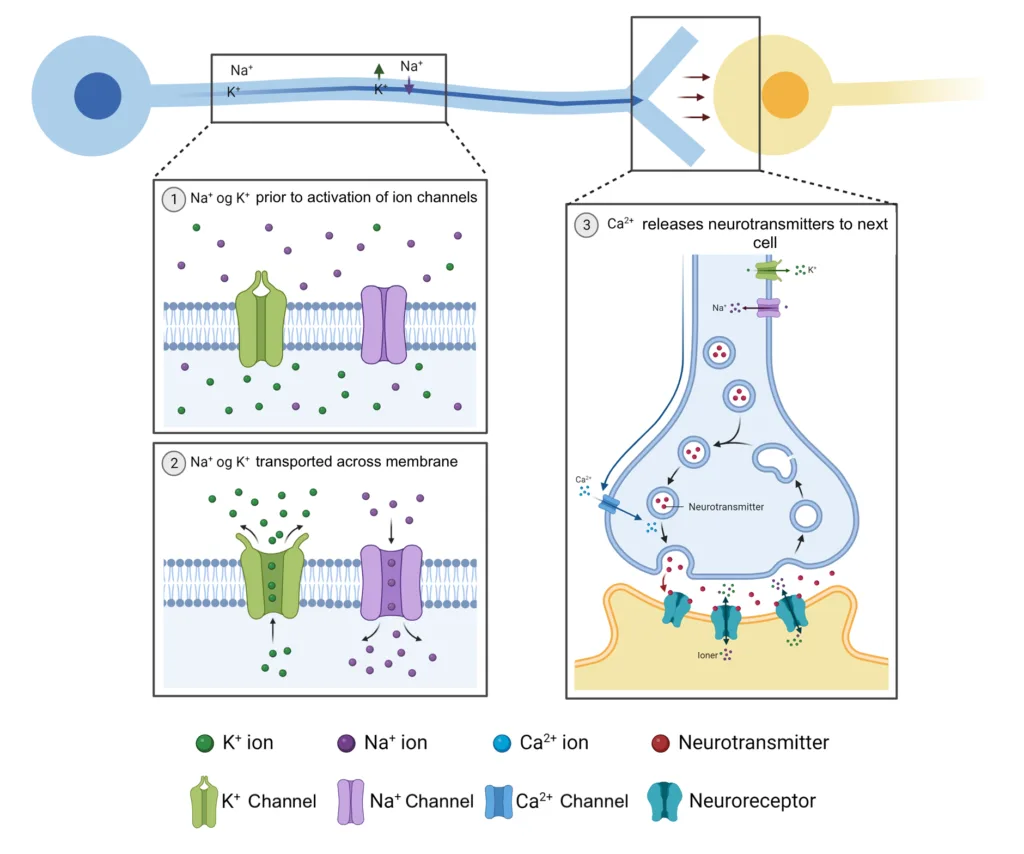
Toxin-induced seizures are reactive events. The brain fires incorrectly because a foreign substance interferes with neurotransmitters. This can happen at any age.
A healthy dog with no history can seize after eating bad chocolate. The key difference is reversibility. Remove the toxin, and the seizures often stop.
Treat epilepsy, and you manage a lifelong condition.
We see this distinction clearly in clinical triage. If a dog has no prior history, vets check for toxins first. Bloodwork reveals elevated liver enzymes or glucose drops.
These markers point to ingestion, not genetics. Understanding this helps you act faster. You aren’t just watching a medical mystery unfold.
You’re potentially reversing a poisoning event. For more on managing long-term health, consider how routine upkeep affects overall stability. But right now, focus on the immediate threat.
The Big Five: Foods That Directly Trigger Neurological Storms
Five common household items pose the highest risk for sudden neurological collapse. These aren’t mild irritants. They are potent neurotoxins.
Chocolate remains the classic offender. Darker varieties contain higher levels of theobromine. Even a few ounces can kill a small breed.
The compound blocks adenosine receptors. This leads to uncontrolled electrical firing in the brain. Symptoms include tremors, hyperthermia, and frank seizures.
Xylitol is arguably more dangerous because it acts faster. Found in sugar-free gum and some peanut butters, it triggers massive insulin release. Blood sugar plummets within thirty minutes.
Hypoglycemia starves the brain of fuel. Seizures follow shortly after. Unlike chocolate, there is no safe threshold.
Any amount warrants a call to poison control.
Macadamia nuts cause a unique syndrome. The exact mechanism isn’t fully understood, but it affects motor neurons. Dogs develop weakness, vomiting, and hyperthermia.
Tremors often precede full-blown seizures. Recovery takes forty-eight hours, but the initial crisis is terrifying.
Alcohol is a direct CNS depressant. Ethanol crosses the blood-brain barrier easily. In large doses, it causes respiratory failure and coma.
Small amounts can still induce violent shaking and disorientation. Never let dogs access spilled drinks or fermented dough.
Caffeine mirrors chocolate’s effects but hits harder per gram. Energy drinks, coffee grounds, and pills are risky. It stimulates the heart and brain simultaneously.
Tachycardia accompanies the neurological storm. Keep these five locked away. Check labels on human snacks carefully.
Hidden ingredients surprise even careful owners.
| Toxin | Source Examples | Onset Time | Primary Mechanism |
|---|---|---|---|
| Theobromine | Dark chocolate, cocoa powder | 6–12 hours | Adenosine receptor blockade |
| Xylitol | Gum, mints, diet sodas | 15–30 mins | Insulin spike/Hypoglycemia |
| Unknown Toxin | Macadamia nuts | 12–24 hours | Motor neuron disruption |
| Ethanol | Beer, wine, spirits | 30–60 mins | CNS depression |
| Caffeine | Coffee, energy drinks | 1–2 hours | Sympathetic overdrive |
Hidden Dangers in Pantry Staples and Leftovers
Beyond the obvious suspects, everyday pantry items hide subtle threats. Moldy food is a major culprit. Corn, grains, and nuts left in damp storage grow fungi.
These produce mycotoxins like aflatoxin. Aflatoxin damages the liver and excites the nervous system. Seizures may be the first visible sign of severe toxicity.
Avocados contain persin. While birds and livestock suffer greatly, dogs have variable sensitivity. Large quantities of flesh, pit, or skin can cause gastrointestinal upset.
Rarely, this escalates to neurological distress. The pit also poses a choking hazard. Blockages stress the body, lowering the seizure threshold.
Raw yeast dough is deceptive. It looks harmless until it enters the warm stomach. Yeast ferments rapidly, producing ethanol and carbon dioxide.
The belly bloats painfully. Simultaneously, alcohol levels rise sharply. This dual threat causes distension and intoxication.
Vets often see these cases during holiday baking seasons.
Onions and garlic don’t typically cause direct seizures. However, they damage red blood cells. Hemolytic anemia reduces oxygen delivery to the brain.
Hypoxia can trigger convulsive episodes in vulnerable dogs. Chronic exposure weakens the system. Acute ingestion spikes oxidative stress.
Watch for pale gums alongside trembling.
Seasonings like nutmeg contain myristicin. This compound is hallucinogenic and neurotoxic in high doses. A sprinkle on Thanksgiving turkey might be fine.
A bowlful is not. Myristicin disrupts serotonin pathways. Agitation turns into rigid spasms.
Always audit leftovers before disposal. Trash cans are prime scavenging spots. Ensure bins have secure lids to prevent opportunistic snacking.
Immediate Action Plan When You Suspect Ingestion
Time is tissue. Every minute counts when neurotoxins circulate. Follow this protocol strictly.
First, stay calm. Panic clouds judgment. Secure your dog in a quiet, dim room.
Reduce sensory input. Loud noises or bright lights exacerbate seizures. Move furniture away to prevent injury.
Pad their head gently if possible. Never restrain limbs forcefully. This causes fractures or rhabdomyolysis.
Second, identify the toxin. Find the wrapper, bottle, or plant piece. Note the quantity consumed.
Estimate your dog’s weight accurately. Call the ASPCA Animal Poison Control Center immediately. Provide details.
Do not induce vomiting unless explicitly instructed. Some toxins burn coming up. Others aspirate into lungs.
Incorrect home remedies worsen outcomes.
Third, transport safely. Have someone drive while you monitor breathing. Bring the sample container.
Vets use it for lab analysis. Record the time of ingestion. Precise timestamps help calculate half-lives.
Treatment windows vary by substance. Xylitol needs glucose support fast. Chocolate requires beta-blockers and fluids.
Fourth, avoid oral meds. Never give activated charcoal at home. Aspiration pneumonia kills more dogs than the toxin itself.
Charcoal binds drugs too. If your pup takes anti-seizure meds, skipping them risks status epilepticus. Leave dosing decisions to professionals.

Emergency clinics stabilize airways first. IV lines provide hydration and medication access. Benzodiazepines halt active seizing.
Fluids flush kidneys. Monitoring continues for twenty-four hours minimum. Late-onset complications occur.
Liver failure follows aflatoxin. Heart arrhythmias persist after caffeine overdose. Stay engaged with the veterinary team.
Ask about prognosis timelines. Know what recovery looks like.
What NOT to Do: Common Owner Mistakes That Worsen Outcomes
Good intentions often lead to disaster. Several widespread errors increase mortality risk.
Do not assume "natural" means safe. Essential oils, herbal supplements, and organic pesticides carry heavy toxicity profiles. Tea tree oil causes profound CNS depression.
Lavender disrupts hormone receptors. Owners think they’re helping with aromatherapy. Instead, they add another layer of poison.
Stick to FDA-approved treatments. Consult vets before trying alternative therapies.
Do not delay care for observation. Waiting to see if the dog "gets better" wastes critical time. Neurotoxicity progresses exponentially.
Early intervention stops cascade effects. Once status epilepticus sets in, brain damage becomes permanent. Heat stroke complicates metabolic acidosis.
Cool the dog externally only if advised. Ice baths cause vasoconstriction. Shivering raises body temperature further.
Do not feed water or food orally. Choking hazards abound during altered consciousness. Swallow reflexes fail.
Liquid enters lungs silently. Pneumonia develops days later. IV fluids hydrate safely.
Oral intake resumes only when alert.
Do not ignore underlying conditions. Dogs with kidney disease clear toxins slower. Liver impairment alters metabolism.
Senior brains lack resilience. Adjust expectations based on comorbidities. Review current medications.
Some antibiotics lower seizure thresholds. Fluoroquinolones interact poorly with NSAIDs. Check drug interactions thoroughly.
Finally, do not blame yourself excessively. Accidents happen. Focus on prevention moving forward.
Audit kitchen habits. Store trash securely. Educate family members.
Children often drop treats unknowingly. Awareness builds safety nets. Learn from proper portioning to reduce scavenging opportunities.
Hunger drives risky behavior. Satiety promotes caution.
Long-Term Management for Dogs with Dietary Sensitivities
Once the acute crisis passes, prevention becomes your primary job. You must build a fortress around your dog’s diet. Start by auditing every item in your kitchen and living areas.
Remove accessible sources of xylitol, chocolate, and grapes. Use child-proof locks on cabinets if necessary. This physical barrier is more effective than vigilance alone.
Next, switch to a controlled feeding regimen. Free-feeding allows scavenging opportunities. Instead, measure meals precisely using a digital scale.
This ensures consistent caloric intake and reduces hunger-driven risk-taking. If you use treats, stick to single-ingredient options. Avoid processed snacks with hidden additives or sweeteners.
Check labels for "sugar-free" claims, which often signal xylitol presence.
Consider consulting a veterinary nutritionist for custom plans. They can formulate diets that support neurological health. Some dogs benefit from medium-chain triglyceride (MCT) oil supplementation.
MCTs provide alternative fuel for the brain during metabolic stress. However, introduce any new supplement slowly. Monitor stool quality and energy levels closely.
Sudden dietary changes can upset the gut microbiome. A stable digestive system supports overall immune function.
Keep a detailed food diary. Log every ingredient your dog consumes. Note brand names, batch numbers, and serving sizes.
If a seizure occurs, this record helps vets rule out triggers. It also identifies patterns over time. Perhaps certain kibble brands correlate with mild tremors.
Elimination trials can isolate specific allergens or irritants. Patience is key here. Results may take weeks to appear.
Finally, educate everyone in the household. Kids and guests often ignore rules. Post clear signs near trash bins and counters.
Explain why human food is dangerous for pets. Reinforce the message regularly. Consistency prevents accidental slips.
Your dog relies on you to make safe choices. Don’t leave it to chance. Proactive management saves lives and reduces vet bills.
For guidance on appropriate portion sizes based on weight, refer to resources on calculating daily intake. Precision matters when protecting vulnerable systems.
Frequently Asked Questions About Canine Seizure Triggers
Can a small amount of chocolate cause a seizure?
Yes, especially in small breeds. Theobromine toxicity is dose-dependent. A few squares of dark chocolate can trigger tremors in a ten-pound dog.
Milk chocolate requires larger quantities but still poses risks. Never assume small amounts are harmless. Contact poison control immediately if ingestion occurs.
Time determines outcome severity. Early intervention prevents progression to full seizures.
Does xylitol always cause hypoglycemic seizures?
Not always, but it frequently does. Xylitol triggers rapid insulin release. Blood sugar drops sharply within thirty minutes.
Hypoglycemia starves the brain of glucose. This energy deficit leads to convulsions. Some dogs show liver damage instead.
Both scenarios are life-threatening. There is no safe threshold for xylitol ingestion. Even gum residue on fingers can be toxic.
Always check ingredient lists carefully.
Are grapes and raisins linked to seizures directly?
No, they primarily cause acute kidney failure. However, uremic toxins from failing kidneys can affect the brain. This secondary effect may lead to neurological signs.
Tremors and disorientation mimic seizure activity. Direct neurotoxicity isn't the primary mechanism. Kidney damage happens fast.
Within twenty-four hours, urine production stops. Immediate veterinary care is essential. Do not wait for symptoms to appear.
Prevention is the only strategy.
Can stress alone cause food-triggered seizures?
Stress lowers the seizure threshold. It doesn't create toxins, though. A stressed dog might scavenge unsafe items.
Anxiety drives erratic eating behaviors. Combine stress with minor toxin exposure, and risk spikes. Manage environmental triggers alongside diet.
Create calm feeding zones. Avoid distractions during meals. Consistent routines reduce anxiety.
This holistic approach minimizes combined risks. Watch for behavioral changes indicating distress. Address root causes promptly.