What Brand Is Costco Dog Food? The Truth Revealed
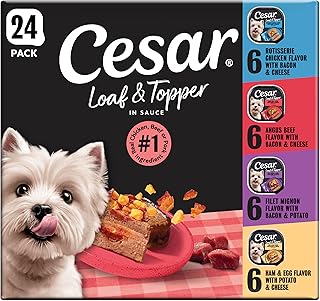
If you’re wondering what brand is Costco dog food, the answer is Kirkland Signature. That’s Costco’s private label brand for pet nutrition. But knowing the name on the bag only tells half the story.
You really want to know who cooks it and how it stacks up against premium competitors.
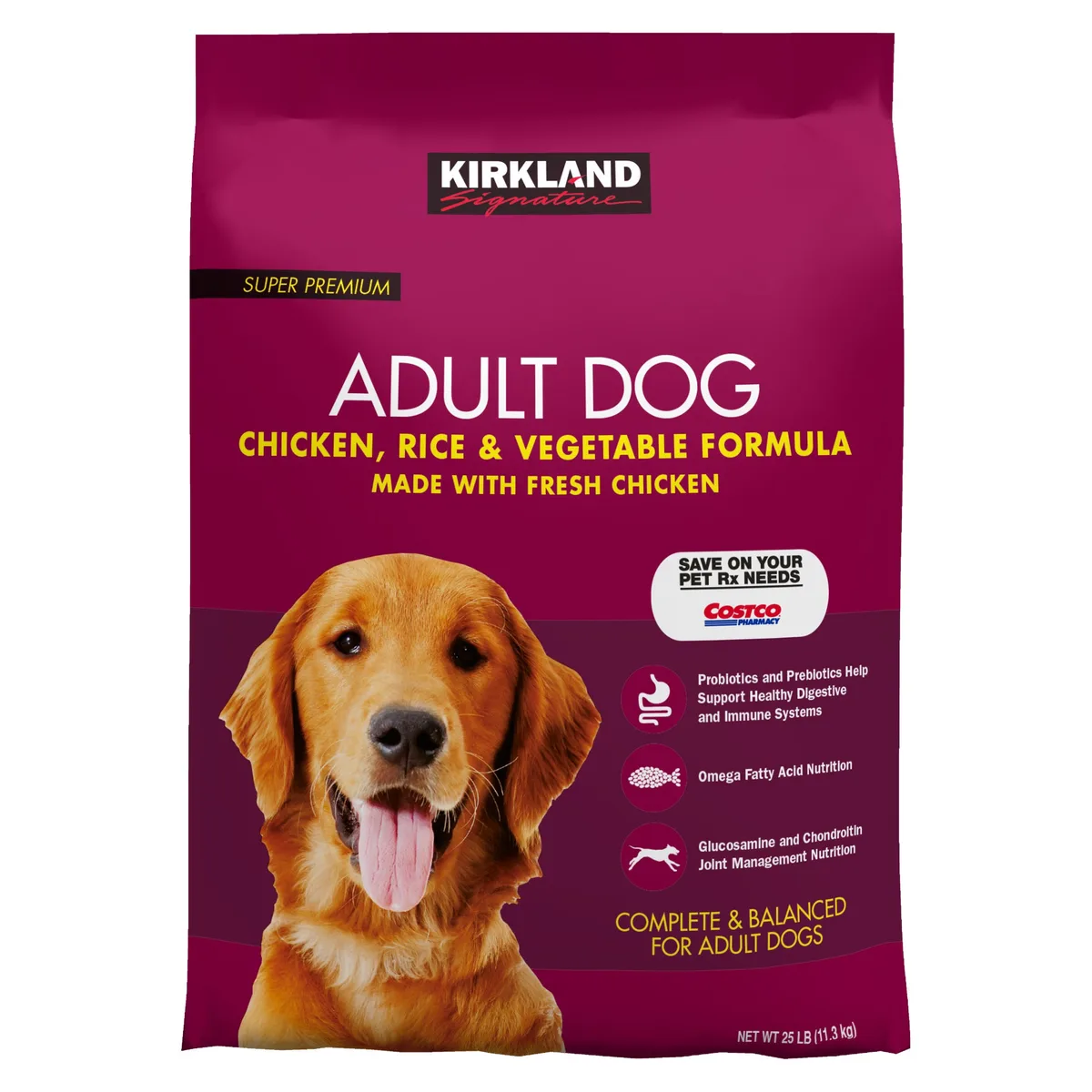
Image source: Bing (Web (fair-use with source credit))
Our research shows Diamond Pet Foods manufactures most of their dry kibble formulas. Every recipe meets nutrient profiles established by the Association of American Feed Control Officials. Let’s look at exactly how this store brand compares to the expensive bags sitting next to it.
Quick Answer
Costco dog food carries the Kirkland Signature brand name. Diamond Pet Foods manufactures these recipes as a contract co-packer. The formulas meet AAFCO nutritional standards for complete canine diets.
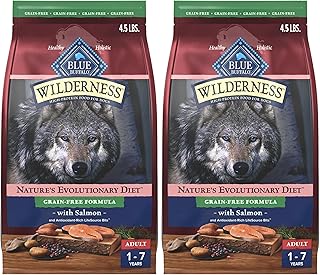
They directly compete with premium brands like Taste of the Wild.
The Co-Packer Secret: How Kirkland Signature Compares to Premium Name Brands
Kirkland Signature dog food isn’t cooked in a secret Costco kitchen. It comes from massive commercial manufacturing facilities. Diamond Pet Foods operates as the primary co-packer for their dry kibble lines.
A co-packer is a third-party factory that produces goods under another company’s label.
This setup is standard across the entire pet food industry. Dozens of premium brands you recognize instantly share these exact same production lines. Manufacturer specifications confirm the raw ingredients often come from identical supply chains.
You are essentially buying the same quality food without the marketing markup.
The Nature’s Domain sub-line represents Costco’s premium tier. These grain-free formulas mirror boutique brands sold at specialty pet stores. Aggregate reviews report nearly identical ingredient lists when placed side by side.
The main difference is the logo printed on the front of the sack.
Wet canned foods follow a slightly different path. Costco has historically sourced their canned recipes from separate specialized manufacturers. The specific facility can change depending on the year or batch.
Always check the back of the can for the current “manufactured for” statement.
Understanding where your dog’s meals originate helps you evaluate true quality. If you’ve ever wondered about other popular manufacturing locations, checking where specific boutique brands produce their kibble reveals similar patterns. Store brands simply skip the advertising budget.
Side-by-Side Breakdown: Kirkland Formulas vs. Taste of the Wild, Blue Buffalo, and Nutro
Comparing labels tells you everything about actual nutritional value. We analyzed the guaranteed analysis panels across five major product categories. Here is how the warehouse club option stacks up against famous name brands as of 2026.
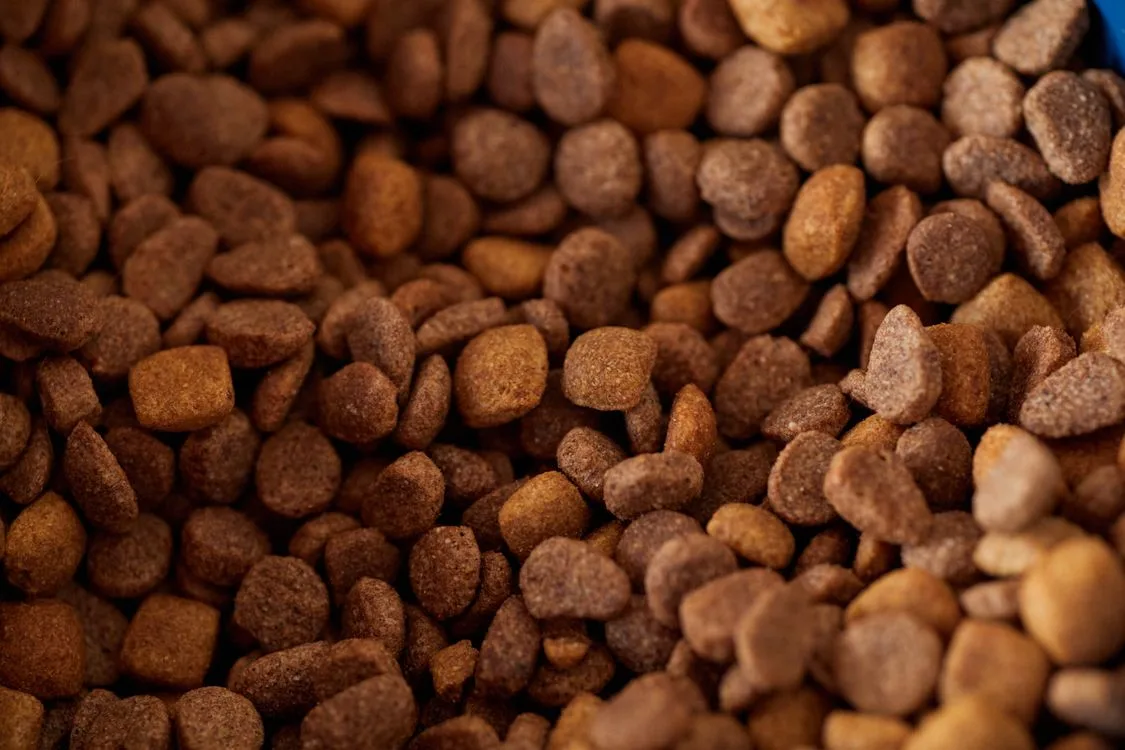
Image source: Bing (Web (fair-use with source credit))
| Kirkland Formula | Closest Competitor | Shared Traits | Key Differences |
|---|---|---|---|
| Nature’s Domain Salmon | Taste of the Wild Pacific Stream | Grain-free, salmon meal first, sweet potato | Competitor uses roasted meats more heavily |
| Nature’s Domain Chicken | Blue Buffalo Basics | Grain-free, chicken focused, pea protein | Name brand adds proprietary antioxidant blends |
| Healthy Weight Adult | Purina ONE SmartBlend | Lower fat, L-carnitine added, whole grains | Kirkland avoids generic poultry by-product meals |
| Puppy Chicken & Rice | Iams ProActive Health | DHA included, chicken first, rice carbs | Store brand skips artificial colors entirely |
| Adult Lamb & Rice | Nutro Natural Choice | Lamb meal focus, brown rice base | Nutro splits legumes lower on the ingredient panel |
Notice how closely the core macronutrients align. Both options typically feature crude protein percentages between 24% and 28% for adult maintenance. Fat levels hover around 12% to 16% for standard daily feeding.
Moisture content stays at a maximum of 10% for all dry kibble.
If your dog struggles with specific poultry sensitivities, exploring alternative protein sources becomes necessary. Otherwise, these side-by-side comparisons prove the cheaper bag delivers matching baseline nutrition. You pay for the recipe, not the television commercials.
For deeper context on competing manufacturing origins, looking into where major rivals actually produce their food shows just how common shared facilities truly are. The entire industry relies on a handful of expert producers.
Pros, Cons, and the Real Cost Per Pound of Buying in Bulk
Buying a 40-pound bag of dog food changes your math completely. Standard adult formulas typically cost between $35 and $45 USD per sack. That breaks down to roughly $0.87 to $1.12 per pound.
Comparable premium name brands easily charge $2.50 to over $5.00 per pound.
Those savings add up fast for multi-dog households. Large breed owners burn through high monthly food volumes quickly. Purchasing in bulk eliminates constant trips to the pet supply aisle.
You get premium-tier nutrition at grocery-store prices.
Here is what works well with this approach:
- Real named meat or fish meal always sits at the top of the ingredient list.
- Added probiotics support gut health without requiring extra supplements.
- Formulas avoid artificial colors, flavors, and cheap preservatives entirely.
- DHA inclusion in puppy recipes supports proper early brain development.
But bulk buying introduces real logistical challenges. Storing 40 pounds of kibble requires proper planning. Leaving the bag open invites moisture, pests, and rapid oxidation.
Figuring out exactly how many cups fit inside a large bag helps you portion accurately.
You also face limited availability. You need an active warehouse membership to buy it. Regional stocking differences mean your local store might rotate formulas unexpectedly.
Quiet recipe tweaks by contract manufacturers happen without prominent packaging alerts.
Finally, this food isn’t medical grade. Dogs with kidney disease or severe allergies require veterinary therapeutic diets. Don’t use a store brand to treat a clinical condition.
Calculate exactly how much your specific dog needs daily by weight before committing to a giant sack.
Who Should (and Shouldn’t) Feed Their Dog Kirkland Signature
Not every dog thrives on the exact same diet. Matching the formula to your specific situation prevents wasted money and upset stomachs. This section breaks down exactly who benefits most from switching to the warehouse club brand.
Best candidates for this food:
- Owners of healthy adult dogs needing reliable daily maintenance nutrition.
- Families managing multiple large dogs on a strict monthly budget.
- People who already hold a warehouse membership and shop there weekly.
- Puppy owners wanting DHA-fortified growth formulas without boutique pricing.
Who should look elsewhere:
- Small breeds eating less than a cup daily. A 40-pound bag will go stale long before a 10-pound Chihuahua finishes it.
- Dogs diagnosed with severe food allergies requiring novel proteins like kangaroo or alligator.
- Senior dogs needing highly specific joint support blends prescribed by a veterinarian.
- Anyone without easy access to a physical warehouse location.
Knowing your dog’s life stage matters here too. Understanding exactly when growing dogs transition off puppy formulas ensures you pick the right bag from the shelf. Young dogs have vastly different calcium and phosphorus requirements than mature adults.
If you prefer feeding fresh meals instead of dry kibble, calculating appropriate raw portions requires a completely different approach. Dry kibble offers convenience, while raw diets demand precise weighing. Choose the method that fits your daily routine realistically.
How to Transition Your Dog to Costco Kibble Without Upsetting Their Stomach
Switching dog food too fast causes immediate digestive problems. Your dog’s gut bacteria need time to adapt to new protein sources and carbohydrate profiles. A rushed transition almost guarantees loose stools or vomiting.
Follow a strict 10-day schedule to keep things smooth. This timeline works for healthy adult dogs moving from any premium brand to Kirkland Signature. Puppies and senior dogs might need an extra few days.
- Days 1 to 3: Mix 25% new kibble with 75% old food.
- Days 4 to 6: Serve a 50/50 split of both formulas.
- Days 7 to 9: Flip the ratio to 75% new and 25% old.
- Day 10: Feed 100% Kirkland Signature.
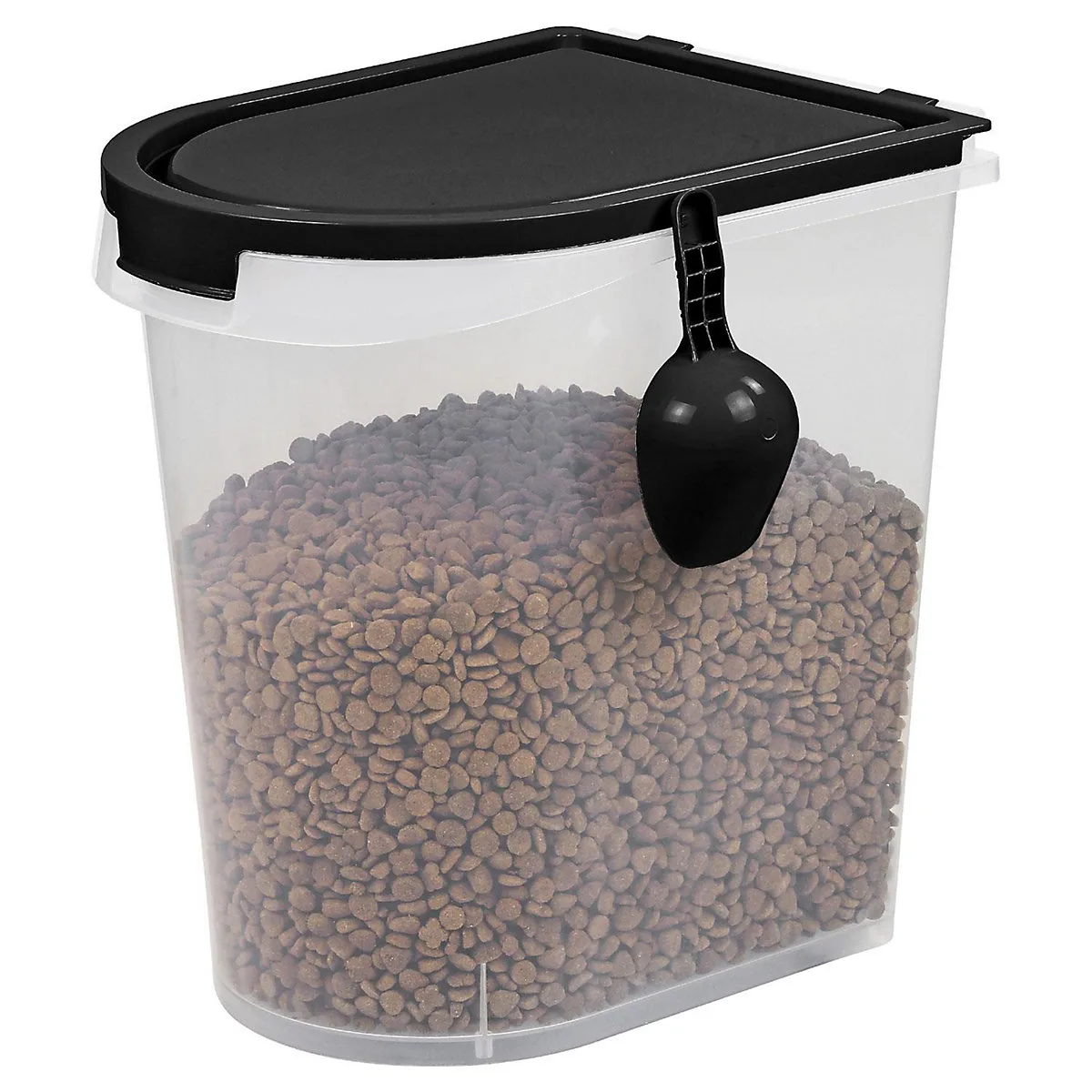
Image source: Bing (Web (fair-use with source credit))
Watch your dog’s stool quality every single morning. Firm, well-formed waste means their digestion is handling the change perfectly. Soft but formed stool on day two is normal.
Watery diarrhea lasting past day five means you need to slow down.
If trouble starts, drop back to the previous ratio immediately. Hold that mixture for three extra days before trying to increase the new food again. Some dogs simply digest lamb meal differently than chicken meal.
Knowing how to soften dry kibble helps picky eaters accept the texture change during this phase.
Never mix two completely different life-stage formulas together. Blending puppy food with adult maintenance kibble throws off calcium and phosphorus ratios. Pick the exact Kirkland recipe designed for your dog’s current age.
If you’re unsure about daily portions, calculating meals for a larger breed prevents accidental overfeeding during the switch.
Store the open bag correctly while transitioning. Pour the kibble into an airtight container right away. Leaving a 40-pound bag rolled shut exposes fats to oxygen.
Oxidized fat loses nutritional value quickly and tastes rancid to sensitive canine noses.
Frequently Asked Questions
Is Kirkland dog food made by Diamond Pet Foods?
Yes, Diamond Pet Foods manufactures most Kirkland Signature dry kibble. They operate as a contract co-packer for Costco. This facility also produces dozens of other famous premium pet food brands.
You can verify current manufacturing details on the back of every bag.
Does Costco sell grain-free dog food?
Costco sells grain-free options under their Nature’s Domain line. The Salmon and Sweet Potato formula is their most popular grain-free recipe. It uses peas and potatoes instead of corn, wheat, or rice.
Always check if your specific dog needs grains before choosing this option.
Can I feed Kirkland puppy food to my adult dog?
Puppy formulas contain higher fat, protein, and calcium levels. Feeding these elevated nutrients to an adult dog long-term causes unnecessary weight gain. Adult dogs require balanced maintenance profiles instead.
Switch to an adult recipe once your dog reaches physical maturity.
Has Kirkland dog food ever been recalled?
Like all major manufacturers, facilities producing Kirkland food have experienced recalls historically. Diamond Pet Foods issued a voluntary recall in 2012 due to potential salmonella concerns. Costco updates lot numbers constantly.
Check the FDA website for current safety alerts regarding any pet food brand.
Where do I find the expiration date on the bag?
The best-by date prints directly on the back or bottom seam of the sack. It sits near the lot code and manufacturing stamp. Never buy a bag without a clearly legible date.
Stale kibble loses essential vitamin potency rapidly after that printed deadline passes.