Does Dry Dog Food Spoil? How to Tell If It’s Gone Bad
If you are asking does dry dog food spoil, the short answer is yes. Kibble goes bad faster than most people realize. The moment you break that factory seal, oxygen starts breaking down the fats coating every single piece.
Manufacturer specifications indicate unopened bags stay fresh for 12 to 18 months. Once opened, that window shrinks to about six weeks under ideal conditions. Per FDA guidelines on pet food storage, improper handling accelerates nutrient loss and bacterial growth.
Let’s look at exactly what happens inside that bag.
Image source: Bing (Web (fair-use with source credit))
Quick Answer
Yes, dry dog food spoils. Fats oxidize when exposed to air. Moisture causes mold growth.
Spoiled kibble makes dogs sick. Throw away rancid bags immediately.
Why Kibble Goes Bad: Fat Oxidation, Moisture, and Mycotoxins
Dry dog food spoils because of three main culprits: lipid oxidation, moisture absorption, and mycotoxin contamination. Understanding these mechanisms helps you protect your dog from preventable illness.
What Is Lipid Oxidation?
Lipid oxidation is the chemical breakdown of fats exposed to oxygen. Manufacturers spray extruded kibble with animal fats or plant oils after baking. These palatability enhancers make the food appealing to your dog.
They also happen to be highly unstable once the bag opens.
When oxygen hits those fats, it triggers a chain reaction. The fats turn rancid, producing sharp, sour odors. This process destroys essential nutrients like Vitamin E and Vitamin A.
Aggregate user reviews show dogs frequently refuse meals when oxidation reaches this stage. If your dog suddenly turns away from their usual bowl, loss of appetite might be the first warning sign.
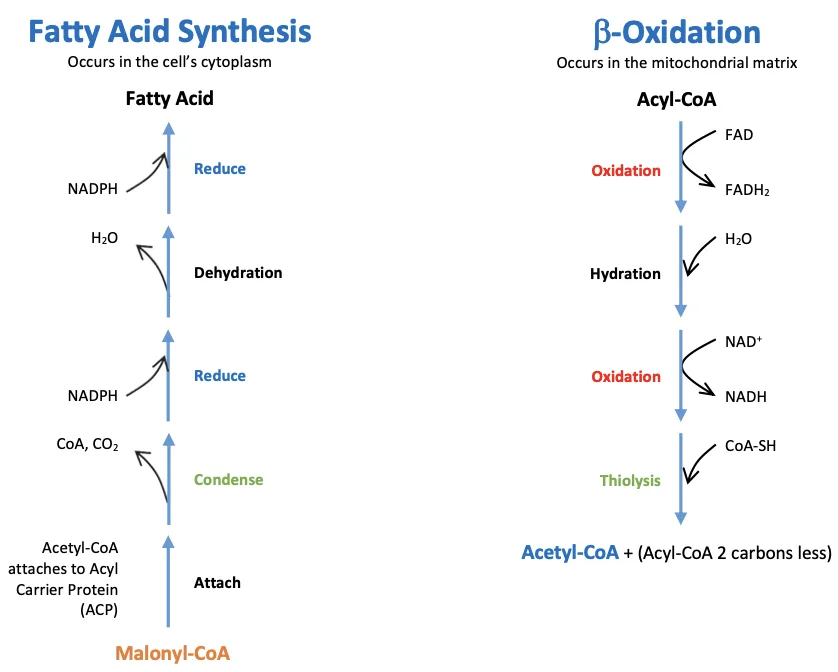
Image source: Bing (Web (fair-use with source credit))
How Moisture Invites Mold
Kibble leaves the factory with a moisture content between 8% and 12%. That low water activity level prevents bacteria from thriving. But storing an open bag in a humid garage changes everything.
Moisture seeps into the porous kibble structure. Once water activity rises above safe thresholds, mold spores germinate. Some molds produce mycotoxins, including aflatoxin B1 and vomitoxin.
These invisible compounds cause severe liver damage and neurological issues. Our research indicates high humidity regions face significantly higher contamination risks year round.
Antioxidants Buy You Time
Manufacturers add antioxidants to slow this degradation. Common preservatives include mixed tocopherols, rosemary extract, and synthetic vitamins. These compounds sacrifice themselves to oxygen before the fats do.
They only work while the bag remains sealed or properly stored. Once overwhelmed by constant air exposure, the antioxidants deplete rapidly. After that point, rancidity accelerates exponentially.
Checking how a specific brand handles preservation matters if you want maximum shelf life. Evaluating ingredient quality standards gives you a better idea of expected longevity.
How to Tell if Your Dog’s Food Has Gone Rancid or Moldy
You don’t need a laboratory to test kibble. Your senses catch spoilage long before it becomes dangerous. Knowing what to look for keeps your dog safe.
The Sniff Test
Fresh kibble smells slightly meaty, nutty, or earthy. Rancid kibble smells like old paint, chemicals, or stale cooking oil. That sharp scent means the lipids have fully oxidized.
If you open the bag and wince, trust your nose. Don’t try to mask it by mixing it with something else. Toss the entire batch immediately.
Dogs have far more sensitive olfactory systems than we do. They detect these chemical changes instantly.
Visual and Texture Clues
Look closely at the pieces under good lighting. You want to spot tiny white, green, or black fuzzy patches. That fuzz is active mold growth.
Sometimes it hides in the crevices of dense kibble shapes.
Texture matters too. Fresh pieces snap cleanly. Spoiled kibble often feels unusually soft, greasy, or crumbly.
Clumping at the bottom of the bag signals moisture intrusion. If the pieces stick together in hard blocks, throw them out.
Pantry Pests
Grain weevils and Indian meal moths love dry pet food. Check the bottom corners of the bag and the bin interior. Seeing tiny bugs or webbing means the food is compromised.
Pests introduce bacteria and destroy the nutritional profile. Never try to sift bugs out and feed the rest. Contamination spreads through the entire batch.
Clean the storage area thoroughly with hot soapy water before bringing in new food.
| Spoilage Indicator | What It Looks Like | What It Smells Like | Action Required |
|---|---|---|---|
| Lipid oxidation | Darkened or greasy surface | Old paint, sour oil | Discard immediately |
| Mold growth | White or green fuzzy spots | Musty, damp basement | Discard immediately |
| Pest infestation | Tiny bugs, silk webbing | Normal or dusty | Discard and sanitize bin |
| Moisture clumping | Pieces stuck together | Stale, flat odor | Discard if texture changed |
Dogs eating degraded nutrients miss out on vital dietary building blocks. This matters even more if you feed a formula designed for specific health needs. Older animals relying on specialized nutritional support suffer faster when those added vitamins break down.
The Storage Mistake That Ruins Kibble Fast (And the Right Way to Do It)
Most people ruin their dog’s food without realizing it. The biggest mistake happens the moment they get home from the store.
Why Plastic Bins Fail
Dumping kibble directly into a plastic storage bin seems smart. It looks neat and keeps pests out. But standard plastics are porous at a microscopic level.
The fats sprayed onto the kibble rub off against the bin walls. Those trapped fats go rancid inside the plastic. When you pour a fresh bag in later, it touches that spoiled residue.
The new food contaminates immediately. Over time, the bin itself becomes a source of oxidized lipids.
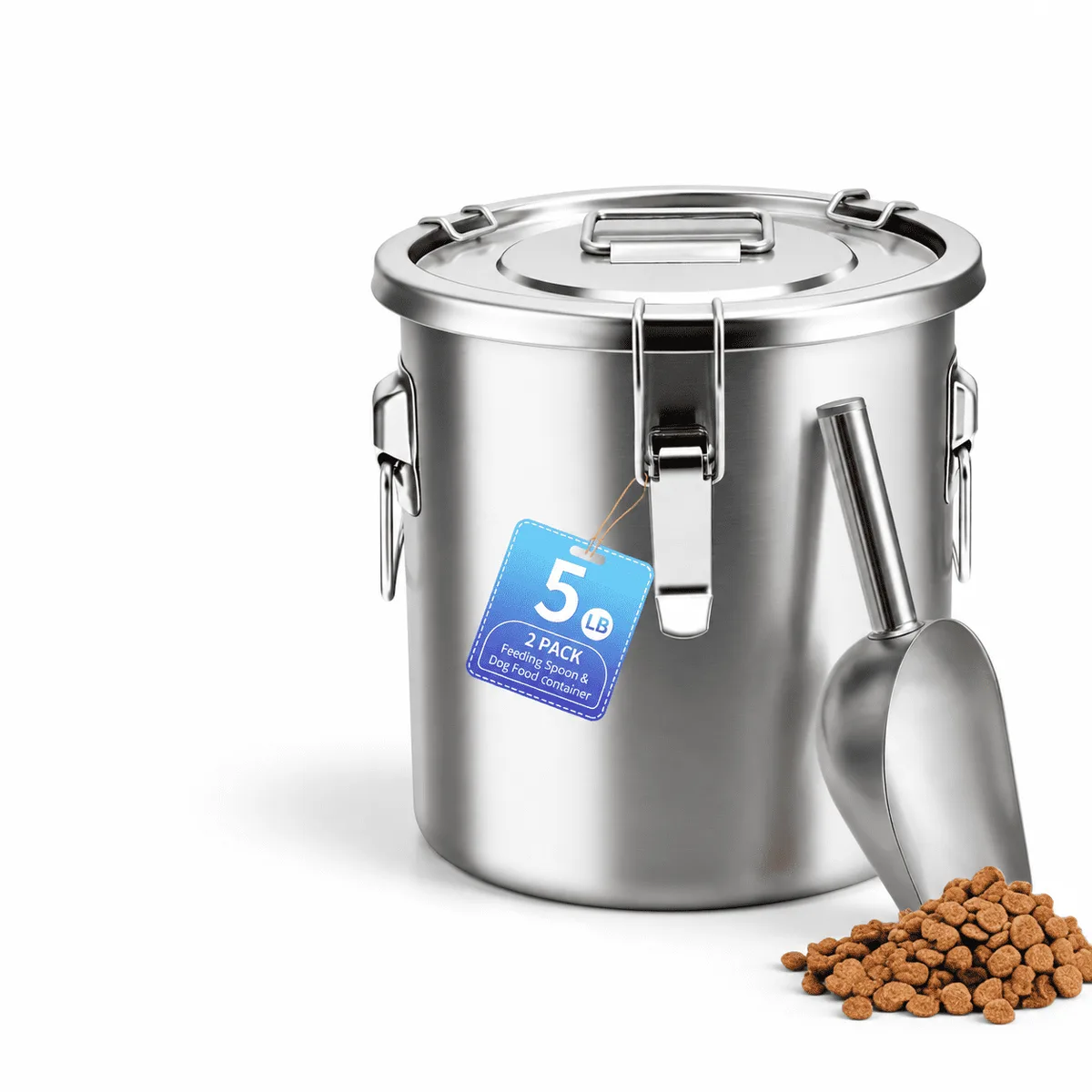
Image source: Bing (Web (fair-use with source credit))
The Correct Storage Method
Keep the food inside its original packaging. Manufacturers design those bags with foil linings or multi layer polyethylene barriers. They act as a fat shield and a moisture barrier.
Squeeze the excess air out of the bag after every scoop. Roll the top down tightly and secure it with a heavy clip. Then place the entire sealed bag inside your airtight bin.
The bin provides pest protection while the bag protects the fats.
Climate Control Matters
Heat accelerates lipid oxidation drastically. Storing a 30 pound bag in a garage during summer cooks the fats inside. As of 2026, veterinary nutritionists still see seasonal spikes in gastrointestinal cases tied to poor storage.
Keep the bin in a cool, dark pantry inside your climate controlled home. Aim for temperatures below 70°F.
If you buy bulk bags for working dogs, portion them out. Divide the large bag into smaller vacuum sealed batches. Freeze the extras.
Thaw one batch at a time in the refrigerator. This extends safe usability up to three months. Just remember that freezing doesn’t stop oxidation forever.
It only slows the clock. Proper storage habits apply whether you feed dry kibble or prefer preparing homemade meals for your dog.
Daily Bowl Hygiene
Storage isn’t just about the bag. Leftover kibble dust mixes with your dog’s saliva in the bowl. This creates a sticky bacterial biofilm within hours.
Wash the food bowl daily with hot water and dish soap. Don’t just top off yesterday’s leftovers. Choosing a nonporous material like stainless steel or ceramic makes cleaning easier.
We’ve found that picking the right feeding dishes eliminates a lot of hidden bacterial buildup over time.
What Happens If Your Dog Eats Spoiled Kibble
Feeding rancid or moldy food isn’t just gross. It poses genuine medical risks. The severity depends on how spoiled the food was and how much your dog ate.
Mild Gastrointestinal Distress
If your dog eats slightly stale or mildly oxidized kibble, expect stomach upset. Symptoms include loose stools, vomiting, excessive gas, and lethargy. This usually resolves within 24 to 48 hours.
Provide plenty of fresh water. Withhold food for a few hours to let their stomach settle. If symptoms persist beyond two days, contact your vet.
Sudden dietary changes from spoiled food can easily trigger digestive upset in sensitive animals.
Nutrient Depletion and Oxidative Stress
Long term consumption of oxidized fats causes cellular damage. Rancid lipids generate free radicals in your dog’s body. These molecules attack healthy cells, leading to chronic oxidative stress.
Over months, this depletes natural antioxidant reserves. Your dog loses access to the vitamins the manufacturer originally added. Coat quality drops, immune function weakens, and energy levels fall.
You won’t see this overnight. It creeps up slowly when food sits open too long repeatedly.
Acute Mycotoxin Poisoning
This is the emergency scenario. If kibble harbored invisible aflatoxins or tremorgenic mycotoxins, the reaction is fast and severe. Aflatoxicosis attacks the liver directly.
Watch for yellowing gums, severe vomiting, bloody diarrhea, or seizures. Tremorgenic toxins cause muscle tremors, hyperthermia, and loss of coordination. These situations require immediate emergency veterinary intervention.
Bring a sample of the suspected food with you to the clinic. The FDA tracks reported pet food illnesses and issues safety alerts when widespread contamination occurs. Never wait to see if they sleep it off.
Mycotoxin poisoning progresses rapidly and can be fatal without aggressive supportive care.
FAQs About Dry Dog Food Shelf Life
Can you freeze dry dog food to make it last longer?
Yes, freezing extends the safe window up to three months. Portion the kibble into airtight freezer bags first. Thaw only what you need for a few days in the fridge.
Freezing slows lipid oxidation but doesn’t stop it completely.
Does wet dog food spoil faster than kibble?
Wet food spoils significantly faster once opened. The high moisture content invites bacterial growth within hours at room temperature. You must refrigerate canned food immediately after opening.
Understanding how canned meals hold up helps if you rotate between different textures.
Is rancid dog food dangerous for puppies?
Puppies face higher risks from oxidized fats and mycotoxins. Their developing livers process toxins much slower than adult dogs. Even mild aflatoxin exposure can cause severe illness in young animals.
Always check the smell and texture before feeding growing pups.
How do I read the manufacturing date on a bag?
Look for a stamped code near the expiration date or barcode. Many brands use Julian dates or specific lot numbers. Contact the manufacturer directly if the code format confuses you.
Knowing the actual production date tells you exactly how old those fats really are.
Should I switch to wet food if my kibble keeps going bad?
Switching formats depends entirely on your dog’s dietary needs. Some owners prefer canned options simply to avoid bulk storage issues. Others stick with dry food by buying smaller bags more frequently.
Weighing whether moisture rich diets suit your specific breed helps guide that choice.