Can Dog Food Actually Kill Your Cat?
The short answer is yes, dog food can kill cats. But the real story is more complicated than a simple yes or no. It depends on what kind of dog food, how much, and how often.
A single kibble stolen from the dog's bowl is very different from weeks of being fed the wrong diet.
Per AAFCO nutritional standards, adult cat food must contain at least 0.1% taurine on a dry matter basis. Dog food has no such requirement because dogs synthesize their own taurine. Cats can't.
This one difference alone sets the stage for serious health problems over time. Let's break down what you really need to know.
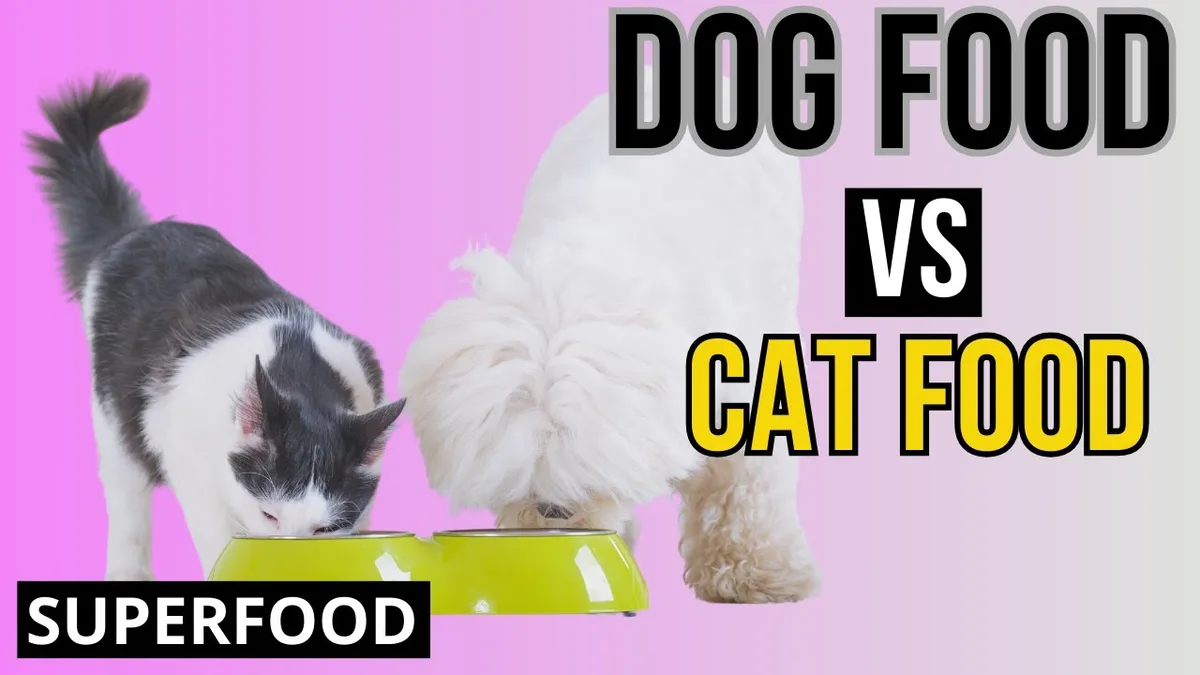
Image source: YouTube / Superfoods for CATS (YouTube thumbnail (fair-use with source credit)
The Short Answer: Yes, But There's a Big Difference Between "Kill Right Now" and "Kill Slowly"
Yes, dog food can kill a cat. But the path matters. There are two distinct ways it happens.
The first is acute poisoning. That's a single meal or even a few bites of dog food that contains a toxic ingredient. The second is chronic malnutrition.
That's when a cat eats dog food as its primary diet for weeks or months. Both can be fatal. But they work differently, and the warning signs are different too.
Here's a quick comparison to show the difference.
| Aspect | Acute Poisoning | Chronic Malnutrition |
|---|---|---|
| Cause | Xylitol, onion, garlic, excess vitamin D | Lack of taurine, arachidonic acid, vitamin A |
| Onset | Hours to 1-2 days | Weeks to months |
| Symptoms | Vomiting, lethargy, stumbling, collapse | Heart disease, blindness, poor coat |
| Likelihood of death | High if untreated | High if not corrected |
Understanding this first distinction is crucial. It changes how you respond. If your cat just ate a single piece of dog food, you need to know what's in that specific bag.
If you've been feeding dog food for a while, the situation is different. We'll cover both scenarios in detail.
Why This Question Deserves More Than a Yes or No
A simple yes or no doesn't help you. Because the real answer is "it depends." And what it depends on are specific factors you can actually check.
Most people ask this question because they've seen their cat sneak a few bites of dog food, or they're in a pinch and ran out of cat food. The panic is real. But the answer changes based on the ingredients, the quantity, and the cat's health status.
Here are the factors that determine the actual risk.
- The specific dog food brand and formula. Some contain xylitol or onion powder. Many don't.
- The amount eaten. A single kibble is different from a full bowl.
- The cat's size and health. A small cat or one with existing kidney issues is more vulnerable.
- How often it happens. One time vs. daily feeding changes everything.
The ingredients in dog food are not inherently toxic to cats across the board. The problem is what's missing (taurine) and what's sometimes added (xylitol, garlic). This is why reading the label matters.
Dog food is formulated for specific canine needs, including managing a pet's weight through diet, but none of those formulas account for a cat's unique biology.
The Two Ways Dog Food Can Harm a Cat
Let's go deeper into each pathway. Understanding the mechanism helps you spot the danger early.
Acute Poisoning
This happens when a cat eats dog food containing a toxic ingredient. The most common culprits are:
- Xylitol. This sugar substitute is used in some "sugar-free" or "dental" dog foods. In cats, it causes a rapid insulin release, leading to dangerously low blood sugar. Seizures and liver failure can follow.
- Onion and garlic powder. These are common in many dog food formulas for flavor. They damage red blood cells in cats, causing Heinz body anemia. Even small amounts can be toxic over time.
- Excess vitamin D. Some dog foods are fortified with high levels of vitamin D. Cats are more sensitive to it. Too much causes calcium to build up in the blood, leading to kidney damage.
Symptoms of acute poisoning include vomiting, lethargy, stumbling, pale gums, and collapse. If you see these after your cat ate dog food, it's an emergency.
Chronic Malnutrition
This is the slower, more insidious danger. It happens when a cat eats dog food as its main diet for weeks or months. Dog food lacks several nutrients that cats cannot produce on their own.
- Taurine deficiency. This is the biggest risk. Cats need taurine from their diet. Dogs make their own. Without enough taurine, cats develop dilated cardiomyopathy (a weakened heart), central retinal degeneration (blindness), and reproductive problems. The American Veterinary Medical Association warns that taurine deficiency in cats can be fatal if not caught early.
- Arachidonic acid deficiency. Cats need this fatty acid. Dog food has very little. Without it, cats develop a poor coat, skin lesions, and a higher risk of fatty liver disease.
- Vitamin A deficiency. Cats cannot convert beta-carotene to vitamin A. They need preformed vitamin A from animal sources. Dog food may not provide enough.
The tricky part is that chronic malnutrition takes time to show. A cat may seem fine for weeks. Then the heart fails.
Or the cat goes blind. By then, the damage is done. Some owners turn to raw food preparation guidelines for pets, but those must be species-specific to be safe.
The moisture content in dog food, whether dry or wet, is another factor to consider for urinary health in cats who need more water intake.
Ingredient Red Flags: What to Scan for on Any Dog Food Label
If you're going to check a dog food label, here's exactly what to look for. This is the practical skill you need.

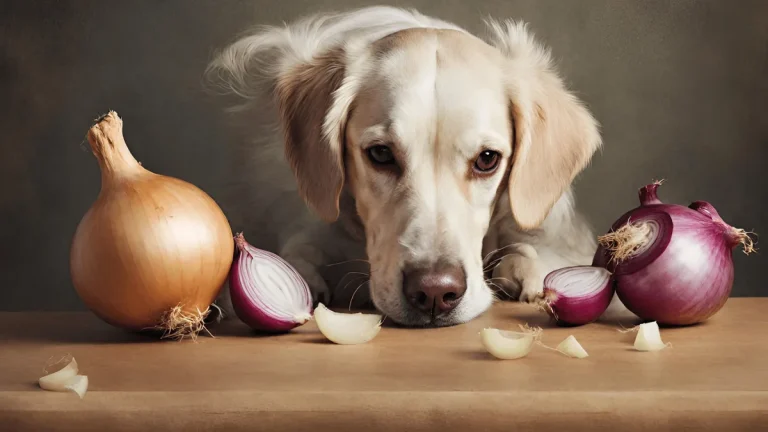
Image source: YouTube / Elekko Agrovet & Farms Tv (YouTube thumbnail (fair-use with source credit))
Ingredients to Avoid Entirely
- Xylitol. Also listed as birch sugar, wood sugar, or E967. Even a small amount can be fatal.
- Onion (any form). Fresh, dried, powder, or juice. All are toxic to cats.
- Garlic (any form). Though less potent than onion, it's still not safe. Some studies show garlic is 5x more toxic than onion per gram.
- Excessive vitamin D. Check the guaranteed analysis. If vitamin D is above 2,000 IU/kg, it's risky for cats.
Ingredients That Signal Imbalance
- No taurine listed. If the label doesn't mention taurine, the food is not formulated for cats. Dog food rarely lists it.
- Low protein percentage. Cats need a minimum of 26% protein on a dry matter basis. Many dog foods fall below that.
- High carbohydrate content. Dog food often uses corn, wheat, or rice as fillers. Cats have no dietary need for carbs. High carbs can lead to obesity and diabetes.
What to Do If You See These
If you find red flags and your cat has already eaten some, don't panic. Check the amount. A single exposure to onion powder is unlikely to cause harm.
But repeated exposure builds up. If you see xylitol, call your vet or poison control immediately. The FDA Center for Veterinary Medicine oversees pet food safety regulations, and veterinary standards for pet food ingredients emphasize species-specific nutrition.
Acute Danger: How Fast Can It Happen and What to Watch For
Acute poisoning from dog food can happen fast. Within hours, your cat can show serious symptoms. Here's the timeline based on the specific toxin.
Xylitol
- Onset: 30 minutes to 2 hours.
- Symptoms: Vomiting, weakness, stumbling, seizures, collapse.
- What to do: Call your vet or the ASPCA Animal Poison Control Center immediately. Do not induce vomiting unless instructed by a professional.
Onion and Garlic
- Onset: 2 to 24 hours, sometimes delayed a few days.
- Symptoms: Lethargy, pale gums, rapid breathing, dark urine, loss of appetite.
- What to do: These cause oxidative damage to red blood cells. There's no antidote, but supportive care (fluids, oxygen) can help. The cat needs to see a vet.
Excess Vitamin D
- Onset: 12 to 24 hours.
- Symptoms: Vomiting, increased thirst, increased urination, weakness, loss of appetite.
- What to do: This causes kidney damage. Treatment includes IV fluids and medications to lower calcium levels.
Symptom Comparison Table
| Toxin | Onset | Key Symptoms | Urgency |
|---|---|---|---|
| Xylitol | 30 min to 2 hours | Vomiting, seizures, collapse | Immediate ER |
| Onion/Garlic | 2-24 hours | Pale gums, dark urine, lethargy | Vet within hours |
| Excess Vitamin D | 12-24 hours | Vomiting, increased thirst | Vet within 12 hours |
The key takeaway is this: if your cat shows any of these symptoms after eating dog food, don't wait. Call your vet. Call poison control.
The faster you act, the better the outcome. Even if the dog food doesn't contain a known toxin, sudden dietary changes can cause digestive upset, so it's worth monitoring your cat closely for a day or two.
The Slow Poison: What Happens When a Cat Eats Dog Food for Weeks or Months
Chronic malnutrition takes weeks to show. By the time symptoms appear, the damage is often irreversible. This is the scenario most cat owners don't see coming.
Here's what breaks down and when.
Taurine deficiency timeline
- Week 1 to 4: No visible symptoms. The cat's body uses stored taurine.
- Week 4 to 8: Subtle signs. Less playful, slightly more tired.
- Week 8 to 12: Heart changes begin. Dilated cardiomyopathy weakens the heart muscle.
- Week 12+: Blindness from retinal degeneration. Reproductive failure in females.
Cats need taurine every day. They can't store much. Once reserves run out, the heart and eyes suffer first.
The American College of Veterinary Nutrition warns that a taurine-deficient diet can cause heart failure in as little as four months.
Arachidonic acid deficiency
This essential fatty acid supports skin health, kidney function, and reproduction. Dog food has little to none. Without it, cats develop dry flaky skin, a dull coat, and increased risk of fatty liver disease.
The liver becomes overloaded with fat, which can be fatal if not treated quickly.
Vitamin A and overall imbalance
Cats need preformed vitamin A from animal tissue. Dog food often provides beta-carotene, which cats cannot convert. Over months, this leads to poor vision, weakened immunity, and skin problems.
The lack of moisture in dry dog food also contributes to urinary tract issues like crystals and blockages.
The slow poison is silent. A cat might seem healthy for months. Then one day it stops eating, or starts breathing heavily.
At that point, treatment is difficult and expensive. Prevention is the only real solution.
What About "Just a Little Bit"? When Is It Safe and When Isn't It?
This is the most common question. The answer depends on what "a little bit" means.
One or two kibbles of plain dog food (no xylitol, no onion)
Safe. Not ideal, but not dangerous. Monitor for vomiting or diarrhea.
Most cats pass a small amount without issue.
A quarter cup of dog food (accidental bowl theft)
Depends on the brand. Check the label. If no red flags, the cat will probably be fine.
Expect possible digestive upset. If the cat has eaten the whole bowl, see the acute poisoning section above.
Feeding dog food as a meal replacement for a day or two
Acceptable in an emergency, but only if the dog food is free of toxic ingredients. Choose a plain chicken and rice formula if possible. Avoid anything labeled "dental" or "sugar-free" (those often contain xylitol).
Transition back to cat food as soon as possible.
Feeding dog food for more than three days consecutively
Not recommended. Taurine stores begin to drop after 48 to 72 hours. The longer it continues, the higher the risk of deficiency.
If you must stretch beyond three days, consult your vet about taurine supplementation.
Intentional long-term feeding
Never safe. The nutritional gap is too wide. No amount of "add-ins" can fix the missing taurine, arachidonic acid, and vitamin A.
Stick to cat food for cats.
How to Keep Cats and Dog Food Separate in a Multi-Pet Home
Cats are clever and persistent. Dog food bowls are easy targets. Here are practical strategies that actually work.
Physical separation methods
- Feed the cat in a separate room. Close the door while the dog eats. This is the simplest solution.
- Use a baby gate. Cats can jump over. Dogs usually cannot. Place the cat's bowl on the other side.
- Elevate the cat's food. Place it on a counter, shelf, or cat tree. Most dogs can't reach high surfaces.
- Use microchip feeders. These bowls only open for the designated pet's microchip. They cost more but work reliably.
Timing strategies
- Feed the cat first. A full cat is less likely to steal dog food.
- Pick up the dog's bowl immediately after the dog finishes. Don't leave it on the floor.
- Feed at opposite ends of the house. Remove the dog's bowl before letting the cat roam.
Common mistakes that create opportunities
- Leaving dog food out all day for grazing. Cats will help themselves when you're not looking.
- Using the same bowl for both pets. Wash thoroughly between uses to avoid residue.
- Ignoring the cat's access to the dog's food storage. Cats can open cabinets. Store dog food in a sealed container in a closed pantry.
The goal is to remove temptation. A cat that tastes dog food once may keep coming back. Consistent separation prevents the habit from forming in the first place.
What to Feed a Cat in a Real Emergency (When You Run Out of Cat Food)
Emergencies happen. Supply chain issues, natural disasters, or a simple forgotten trip to the store. If you have zero cat food, here are safe temporary options.
Safe short-term foods
- Plain cooked chicken (no skin, no bones, no seasoning). Provide small pieces.
- Plain cooked turkey or lean beef. Same rules apply.
- Plain scrambled eggs (cooked without oil, butter, or seasoning). Good source of protein.
- Unseasoned canned tuna in water (not oil). Use sparingly due to mercury concerns.
- Baby food (meat-based, no onion or garlic powder). Check labels carefully.
What to avoid
- Milk. Most adult cats are lactose intolerant. It causes diarrhea.
- Raw eggs. Risk of salmonella and biotin deficiency.
- Dog food with toxic ingredients (see red flags section). Don't risk it.
- Human food with onion, garlic, or excessive salt. Many seasonings are toxic.
How to transition back to cat food
When you get cat food again, don't switch abruptly. Mix a small amount of cat food with the emergency food. Over 3 to 4 days, gradually increase the cat food ratio.
This prevents digestive upset. If your cat refuses to eat cat food after days of dog food, try warming the cat food slightly to enhance the aroma.
For long-term planning, keep a backup bag of cat food in a cool dry place. Rotate it every few months to keep it fresh. A 3 to 5 pound bag can get you through most disruptions.
When to Call the Vet or Poison Control (and Which Numbers to Save)
Some situations are not DIY. Here's exactly when to seek professional help.
Call immediately if your cat shows these symptoms after eating dog food
- Vomiting or diarrhea that continues more than once
- Lethargy or weakness
- Stumbling, tremors, or seizures
- Pale or bluish gums
- Rapid or labored breathing
- Collapse or inability to stand
- Dark urine (sign of red blood cell damage from onion/garlic)
Numbers to save in your phone right now
- ASPCA Animal Poison Control Center: (888) 426-4435
- Pet Poison Helpline: (855) 764-7661
Both services charge a consultation fee (usually $65 to $85). Save them anyway. A few dollars is worth your cat's life.
If you suspect xylitol, call immediately. Do not wait for symptoms.
What to tell the vet or poison control
- The exact brand and formula of dog food
- How much the cat ate (estimate as best you can)
- How long ago it was eaten
- The cat's weight, age, and any existing health conditions
- Any symptoms you've observed so far
Image source: YouTube / Mediame (YouTube thumbnail (fair-use with source credit))
When you can skip the call
- Your cat ate a single piece of plain dog food (no red flags) and is acting normal.
- The food label shows no xylitol, onion, garlic, or excess vitamin D.
In these cases, just monitor for 24 hours. Offer fresh water. If anything changes, call your vet.
A quick rule of thumb: when in doubt, call. Better to get a professional's "it's fine" than to miss a window for treatment. The poison control operators are trained veterinary toxicologists.
They know what to ask and what to recommend.
Myths and Misconceptions About Cats and Dog Food
"All pet food is basically the same."
False. Dog food and cat food are formulated for completely different species. Cats are obligate carnivores.
Dogs are omnivores. The nutritional profiles are not interchangeable.
"My cat ate dog food for years and seems fine."
Some cats are lucky. But taurine deficiency can take months to show symptoms. By the time you see heart failure or blindness, the damage is done.
A cat that looks fine today may not be fine tomorrow.
"A little onion powder won't hurt a cat."
It can. Onion powder is concentrated. Even small amounts fed repeatedly build up to toxic levels in a cat's system.
Heinz body anemia is a real risk.
"Dry dog food is basically the same as dry cat food."
The texture is similar. The nutrition is not. Dry dog food lacks taurine and arachidonic acid.
It also has a different protein-to-fat ratio and higher carbohydrates. Cats don't need carbs.
The Bottom Line: A Quick Decision Guide for Any Situation
Here's a fast reference for what to do based on your situation.
Single bite of plain dog food (no xylitol, no onion or garlic)
No action needed. Monitor for 24 hours. Most cats pass it without issue.
Single bite of dog food with xylitol or onion
Call poison control immediately. Do not wait for symptoms. Time matters.
Multiple bites or a full bowl of unknown dog food
Check the label. If you can't find it, assume the worst. Call your vet for guidance.
Days or weeks of eating dog food as a substitute
Stop feeding dog food. Switch back to cat food gradually. Schedule a vet visit for bloodwork and a taurine level check.
Long-term feeding of dog food as a primary diet
Urgent change needed. This is a medical emergency. The cat needs a complete nutritional assessment and a proper diet immediately.
Frequently Asked Questions
Can a single kibble of dog food kill a cat?
No. One piece of plain dog food without toxic ingredients is not dangerous. The risk comes from ingredients like xylitol or from long-term nutritional deficiency.
How much dog food is toxic to a cat?
It depends on the toxin. Xylitol can cause problems at less than 0.05 grams per kilogram of body weight. Onion powder builds up over repeated exposures.
There is no safe amount for long-term feeding.
What are the first signs of taurine deficiency in cats?
Early signs include lethargy, reduced appetite, and a dull coat. Later signs include rapid breathing, coughing, and sudden blindness. These symptoms require immediate veterinary attention.
Is wet dog food safer than dry dog food for cats?
No. Wet dog food still lacks taurine and other essential nutrients for cats. It also may contain onion or garlic powder for flavor.
The moisture content is better for urinary health, but the nutritional gap remains.
Can a cat survive on dog food if I add supplements?
No. You cannot safely supplement dog food to meet a cat's nutritional needs. The ratios of protein, fat, and amino acids are fundamentally different.
Use only cat food formulated for cats.


One Comment