Is Dog Food Safe for Human Consumption? What to Know
If you’re wondering whether dog food is safe for human consumption, the short answer is no. It might not poison you instantly, but it carries real health risks. Eating kibble or canned pet food exposes your body to bacteria and nutrient levels meant for a completely different species.
We’ve looked closely at the science, and the facts are pretty clear.
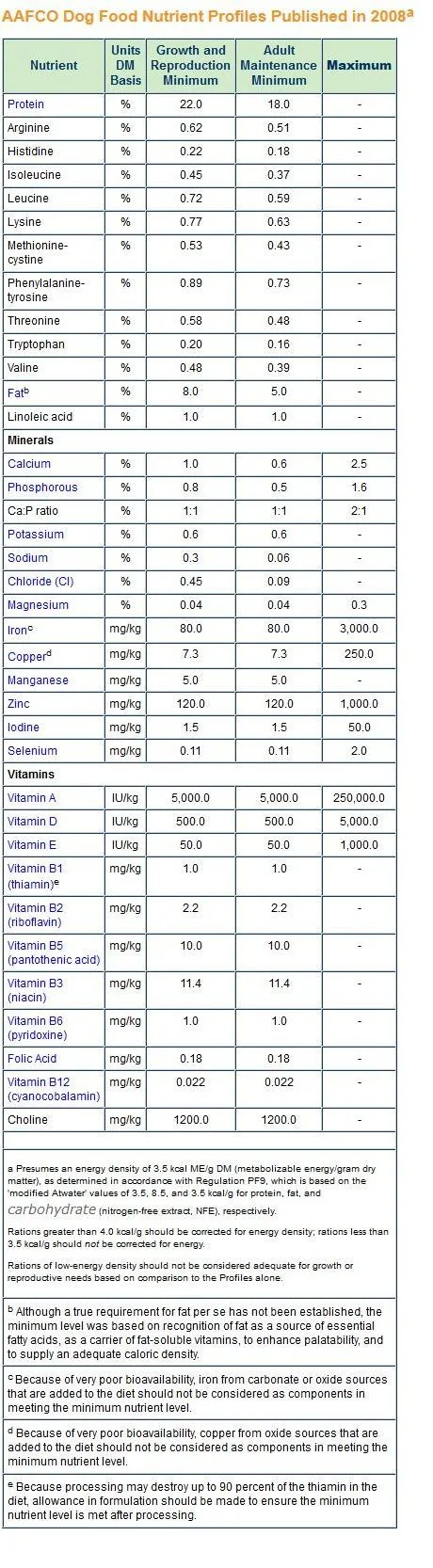
The Association of American Feed Control Officials sets nutrient profiles specifically for dogs, not people. Those canine standards allow bacterial loads and vitamin concentrations that violate FDA rules for human groceries. Let’s break down exactly why feeding yourself from your dog’s bowl is a bad idea.
Quick Answer: Can Humans Safely Eat Dog Food?
Dog food is not safe for human consumption. It contains nutrient levels formulated only for dogs. Manufacturing standards permit higher bacterial loads than human food.
Eating it risks illness and long-term nutritional harm. Keep pet food strictly for pets.
Why Dog Food Nutritional Profiles Don’t Match Human Biology
Dogs process nutrients differently than we do. Their livers handle massive doses of certain vitamins without breaking a sweat. Ours don’t.
That’s the core problem when humans eat pet food.
Take Vitamin A as an example. Dogs synthesize their own Vitamin C, so manufacturers skip adding it entirely. Humans can’t produce Vitamin C internally.
If you relied on dog food, you’d develop a deficiency quickly.
Meanwhile, the Vitamin A levels in standard kibble are calibrated for canine hepatic processing. For a human, eating those amounts regularly leads to hypervitaminosis A. That means liver damage, joint pain, and severe headaches.
Mineral ratios cause similar problems. Pet diets pack high levels of iron and zinc to support active working breeds. Our kidneys struggle to filter those excess minerals over time.
Chronic exposure damages organs.
Even protein sources differ. Rendered animal byproducts like bone meal and organ scraps digest fine in a dog’s highly acidic stomach. Human digestive tracts aren’t built for that kind of heavy load.
You’ll likely end up with terrible cramping.
If you want to understand how specific ingredients affect animals differently, looking into spice safety for pets shows just how varied metabolic responses can be across species. Our biology demands a completely different blueprint.
The Bacterial Reality: Salmonella, E. coli, and Feed-Grade Tolerances
Nutritional imbalances take time to hurt you. Bacteria hit fast. This is where the real danger lives.
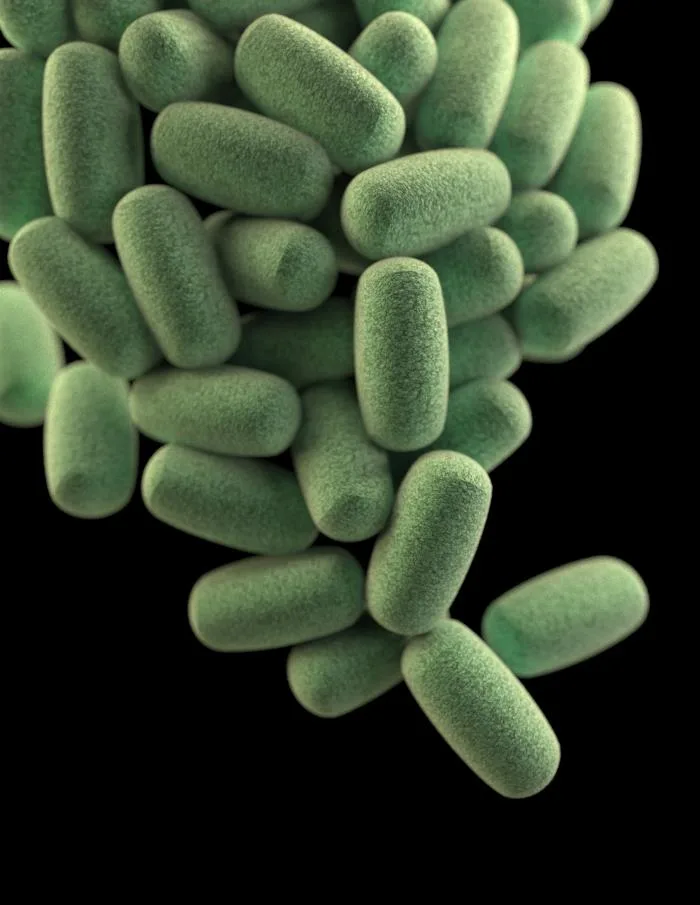
Image source: Wikimedia Commons / Illustrator: Jennifer Oosthuizen
Pet food manufacturing operates under different sanitation rules than human food production. The FDA enforces strict pathogen limits on our groceries. Feed-grade facilities have wider tolerances because dogs possess stronger stomach acid to kill off bugs.
That leniency means commercial kibble frequently harbors dangerous pathogens. CDC outbreak data links human illnesses directly to handling or accidentally eating contaminated pet products every single year. As of 2026, these recalls remain incredibly common.
Here’s what you’re risking if you eat feed-grade dog food:
- Salmonella: Incubation takes 6 to 72 hours. Symptoms include fever, severe diarrhea, and abdominal cramps.
- E. coli O157:H7: Shows up in 3 to 4 days. It can cause kidney failure in vulnerable people.
- Listeria monocytogenes: Takes 1 to 4 weeks to appear. It’s especially dangerous for pregnant women and older adults.
Raw pet diets carry even higher risks. Freeze-dried or raw meat formulas bypass the heat treatment that kills some bacteria in standard kibble. Handling raw diets requires intense hygiene protocols just to keep your kitchen safe.
You wouldn’t eat raw chicken left on the counter. Eating unsterilized pet food introduces the exact same threat. For deeper context on how much raw meat dogs eat, remember that their digestive systems evolved to handle those bacterial loads.
Yours didn’t.
“Human-Grade” Pet Food vs. Standard Kibble: Does the Label Make It Safe?
Boutique brands now market “human-grade” dog food. They charge a premium for it. But does that label make it safe for you to eat?
Not exactly. To legally use that term in the US, the product must meet USDA inspection standards. Every ingredient has to be edible for humans.
The facility must follow human food safety regulations.
That sounds promising until you look at the actual nutrient breakdown. Even if the factory is spotless, the recipe still targets canine biology.
| Feature | Standard Feed-Grade | Human-Grade Pet Food |
|---|---|---|
| Ingredient sourcing | Rendered byproducts allowed | Must be fit for humans |
| Facility oversight | AAFCO state guidelines | USDA inspected |
| Bacterial risk | Higher permitted CFU counts | Matches human food limits |
| Vitamin A levels | Formulated for dogs | Still formulated for dogs |
| Vitamin C content | None added | None added |
A clean manufacturing plant prevents Salmonella. It doesn’t fix the Vitamin A toxicity problem. You won’t get food poisoning from a premium brand, but you’ll still wreck your nutritional balance over time.
Think about it this way. Feeding your dog perfectly cooked steak every day would eventually cause calcium deficiencies in them. Species-specific needs matter more than ingredient quality.
This applies to other animals in your house too. People often wonder if sharing meals between pets is harmless, but cross-species feeding issues prove that even dogs and cats shouldn’t swap bowls. Different bodies require different math.
Accidental Ingestion Protocol: What to Do If Your Toddler Eats Dog Food
Kids explore the world with their mouths. If your toddler grabbed a handful of kibble off the floor, don’t panic. A small amount rarely causes serious harm.
Here is the exact workflow to follow immediately after accidental ingestion:
- Remove the food. Take the bowl away and gently wipe out their mouth with a damp cloth.
- Identify the product. Grab the bag and check the ingredient list for known allergens like wheat, soy, or dairy.
- Monitor symptoms. Watch closely for vomiting, diarrhea, or unusual fussiness over the next 24 hours.
- Contact professionals. Call Poison Control or your pediatrician if they ate a large amount or show signs of illness.
Never induce vomiting unless a doctor explicitly tells you to. Most healthy toddlers will process a few pieces of dry food without any issues. Their stomach acid handles small quantities fairly well.
The bigger concern is choking. Dry kibble expands slightly when it mixes with saliva. Large breed formulas are particularly hazardous for small airways.
Always check the size of the pieces your child managed to swallow.
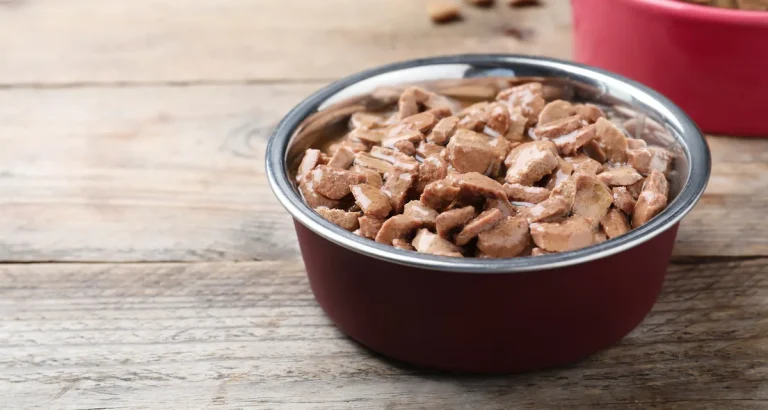
Wet food presents a different problem. Canned varieties spoil rapidly once opened. If your child ate wet food left sitting out for hours, bacterial exposure becomes the primary risk.
Watch for fever or stomach pain.
Keeping pet supplies organized helps prevent these scares. Choosing bowls that stay put reduces spills and keeps curious hands away from your dog’s dinner. Prevention beats emergency response every time.
Survival Scenarios: The Dehydration Risk of Eating Kibble in an Emergency
Could you survive on dog food if you were stranded? Technically, yes. A few bites provide calories.
But relying on it introduces massive secondary risks.
Dry kibble is engineered for shelf stability, not hydration. It contains roughly 10% moisture. Digesting that dense, dry material pulls significant water from your gut.
If your clean water supply is already limited, eating kibble accelerates dehydration rapidly.
Losing fluids through digestion is dangerous when you’re stranded. Dehydration kills much faster than starvation. You might trade hunger for a fatal lack of water.
Understanding how long animals last without hydration highlights just how critical fluid balance becomes during emergencies.
Canned wet food is marginally safer in survival situations. It holds about 75% moisture. However, once you pop the lid, bacteria start multiplying immediately.
Without refrigeration, an open can turns toxic within hours.
Then there’s the gastrointestinal factor. Sudden dietary changes shock the human digestive system. Eating feed-grade proteins you’ve never consumed before triggers vomiting or diarrhea.
Losing fluids that way in a survival scenario is catastrophic.
Your dog also needs those calories to survive alongside you. Working dogs burn immense energy keeping you safe or helping you hunt. Robbing their food supply weakens your best asset.
Measuring out exact daily portions ensures neither of you goes hungry unnecessarily. Leave the pet food for the pet.
Long-Term Health Risks of Eating Dog Food Regularly
Eating dog food once probably won’t send you to the emergency room. Doing it regularly will absolutely wreck your health over time. The risks compound quietly until your organs start struggling.
Hypervitaminosis A is the biggest threat we see in nutritional research. Dogs process retinol efficiently, so manufacturers load kibble with it. Human livers store excess Vitamin A instead of filtering it out.
That buildup causes bone pain, blurred vision, and eventual liver failure.
Mineral toxicity happens just as fast. Feed-grade diets contain high levels of calcium and phosphorus designed for growing puppies or active adult dogs. If you eat those ratios daily, your kidneys work overtime trying to flush the excess.
Chronic kidney strain isn’t something you feel immediately.
Then there’s the issue of missing nutrients. Dogs manufacture their own Vitamin C internally. Humans cannot.
Pet food formulas skip adding it entirely because dogs simply don’t need it. You’d develop scurvy within a few months of eating nothing but commercial dog food.
Fat sources present another problem. Rendered animal fats used in cheaper kibbles aren’t processed to human dietary standards. They often lack the essential fatty acid balance our brains and hearts require.
Over time, your cardiovascular system pays the price for that imbalance.
If you’re curious about how specific protein loads affect canine bodies compared to ours, looking at high-protein diet impacts explains why those heavy meat ratios exist. They fuel a completely different metabolic engine than yours. Your body wasn’t built to run on that fuel.
Frequently Asked Questions
Can you get sick from tasting dog food?
A tiny lick usually won’t cause severe illness in a healthy adult. However, feed-grade kibble can harbor Salmonella or E. coli bacteria. Even small exposures might trigger mild stomach cramps or nausea.
Wash your mouth out with clean water immediately if it happens.
Is human-grade dog food safe for people to eat?
Human-grade pet food is manufactured in USDA-inspected facilities using edible ingredients. It carries a much lower bacterial risk than standard kibble. But the nutrient profile still targets canine biology.
Eating it regularly causes vitamin toxicities and mineral imbalances in humans.
What happens if my child eats dry dog food?
Remove the food and wipe out their mouth right away. Check the ingredient label for allergens like wheat or soy. Monitor them closely for vomiting or diarrhea over the next 24 hours.
Call Poison Control if they swallowed a large amount or show symptoms.
Why do dogs eat food that makes humans sick?
Canine stomachs produce significantly stronger hydrochloric acid than human stomachs. This highly acidic environment destroys pathogens like Salmonella before they reach the intestines. Dogs also evolved to digest raw meats and rendered byproducts safely.
Our digestive tracts lack those specific evolutionary adaptations.
Can you survive an emergency by eating dog food?
You can extract calories from dog food during extreme starvation scenarios. But dry kibble pulls moisture from your gut to digest properly. If your drinking water supply is limited, eating dry pet food accelerates dangerous dehydration.
Canned wet food is slightly safer but spoils rapidly without refrigeration.