How Long Can Dogs Go Without Food or Water?
If your dog just walked past their bowl, you’re probably wondering how long can dogs go without food or water. That worry hits hard when they skip a second meal or ignore their water dish entirely. Most healthy adult dogs handle short fasts surprisingly well.
But water is a completely different story.
A healthy adult dog typically survives three to five days without eating. Per the Merck Veterinary Manual, going without drinking for even 24 hours starts causing serious organ stress. The timelines change drastically based on size and age.
Let’s look at what actually happens inside your dog’s body.
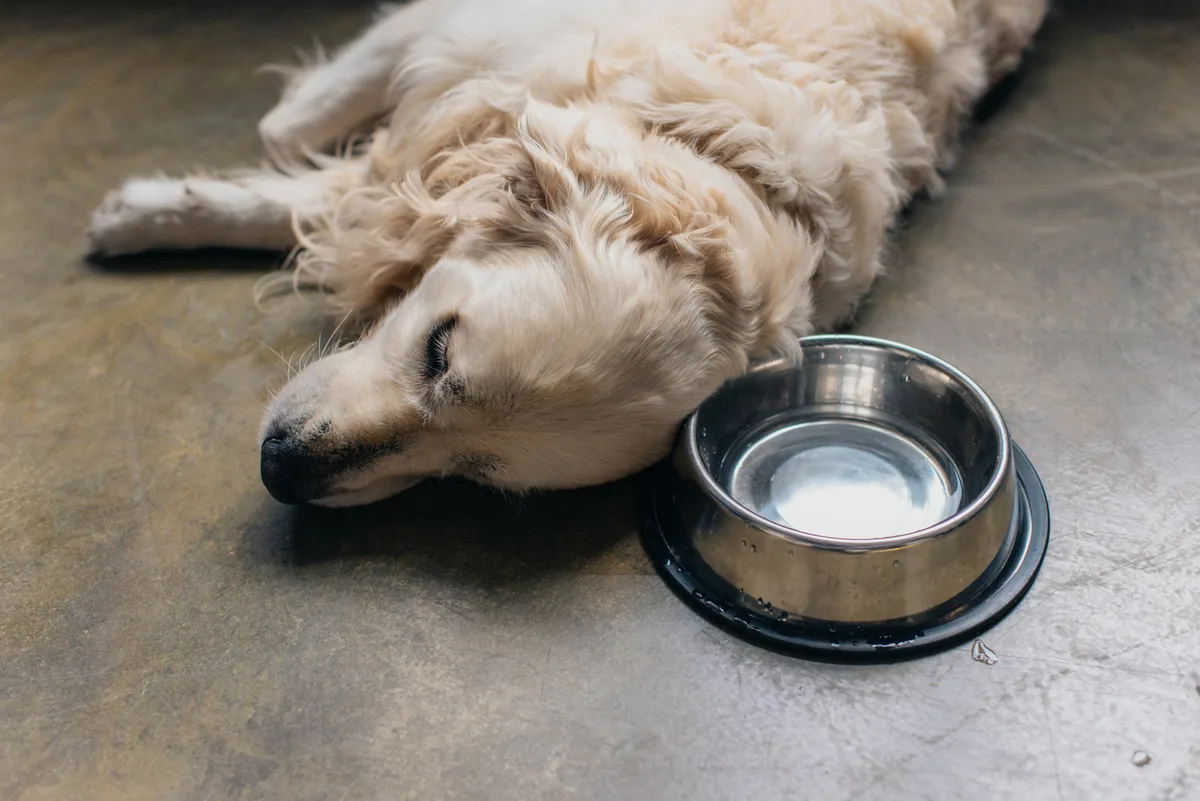
Image source: Bing (Web (fair-use with source credit))
Quick Answer
Dogs survive three to five days without food. They only last two to three days without water. Puppies crash much faster than adults.
Dehydration causes organ damage within 24 hours. Always call a vet if your dog stops drinking.
The Real Timelines: How Long Dogs Can Actually Go Without Food or Water
A healthy adult dog can safely skip meals for about three to five days. Surviving isn’t the same as thriving, though. Their body starts burning fat reserves almost immediately.
After that fat runs out, muscle tissue breaks down next.
Water deprivation moves on a much tighter clock. A dog usually only lasts 48 to 72 hours without drinking. Severe cellular damage begins well before that final deadline.
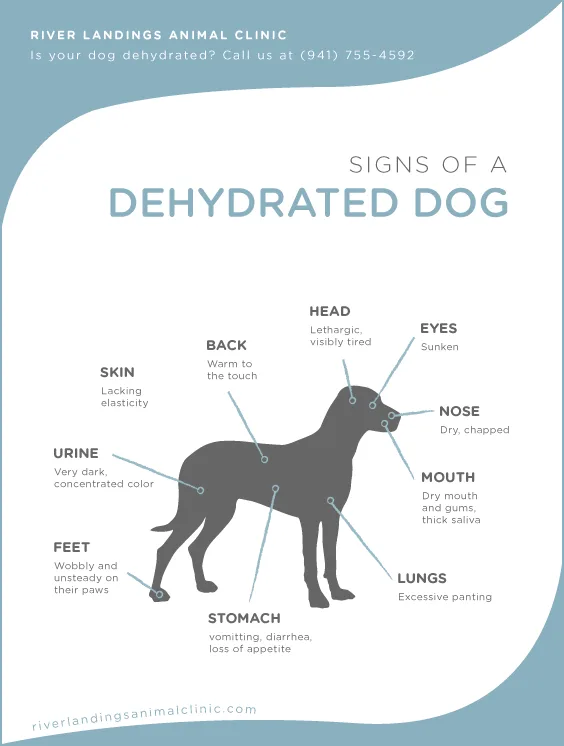
You’ll see lethargy and sunken eyes within the first day.
Our research shows these numbers assume a perfectly healthy baseline. If your dog has underlying kidney disease or diabetes, those windows shrink fast. A diabetic dog missing meals risks fatal hypoglycemia in hours.
That’s why flat survival numbers mislead so many pet owners.
Normal daily intake gives you a better benchmark for spotting trouble early. An average dog needs roughly one ounce of water per pound of body weight every single day. If you aren’t sure what that looks like practically, understanding daily portions by weight helps you spot when they’re falling short.
Here is how the basic timelines compare across different scenarios:
| Scenario | Max Time Without Food | Max Time Without Water |
|---|---|---|
| Healthy adult dog | 3 to 5 days | 48 to 72 hours |
| Toy breed puppy | 4 to 12 hours | 12 to 24 hours |
| Senior dog with illness | 24 to 48 hours | 12 to 24 hours |
| Lost or trapped dog | Up to 7 days | Up to 72 hours |
Why Age, Size, and Health Change Everything (Toy Breeds vs. Seniors)
Size dictates how much fuel your dog stores in reserve. Giant breeds carry massive fat deposits compared to tiny dogs. A Chihuahua simply doesn’t have the physical padding to sustain a multi-day fast.
Their metabolic rate runs incredibly hot all the time.
Puppies face the highest risk during any fasting period. If you’re still figuring out when to transition them off puppy diets, know their bodies demand constant fuel. Missing a single meal can trigger hypoglycemic seizures in toy breeds under six months old.
Their livers lack the glycogen storage to stabilize blood sugar.
Senior dogs bring a whole different set of vulnerabilities to the table. Aging kidneys struggle to concentrate urine properly. This means older dogs lose hydration much faster than young adults.
Add arthritis pain or dental disease, and refusing food becomes a downward spiral.
Pre-existing conditions turn minor fasting into major emergencies. Dogs with Addison’s disease need consistent nutrient timing to manage cortisol levels. Pancreatitis flares up when bile sits too long in an empty stomach.
Never apply generic survival timelines to a chronically ill pet.
If your dog refuses kibble because of a known sensitivity, finding a diet that avoids common triggers might solve the issue before it becomes a medical crisis. Voluntary fasting from pickiness looks identical to fasting from pain until a vet checks them.
How to Check for Dehydration and Starvation at Home
You don’t need veterinary tools to catch early warning signs. Your hands and eyes work perfectly for a quick home assessment. Start by checking their gums.
Lift the upper lip and press your finger firmly against the pink tissue.
Healthy gums bounce back to pink in under two seconds. This is called capillary refill time. If the white fingerprint lingers for three seconds or more, your dog is already dehydrated.
Tacky or dry gums confirm fluid loss is happening right now.
Next, try the skin tent test. Gently pinch the loose skin between their shoulder blades. Pull it straight up and let go instantly.
Hydrated skin snaps flat in under 1.5 seconds. Skin that stays peaked like a tent means severe dehydration.
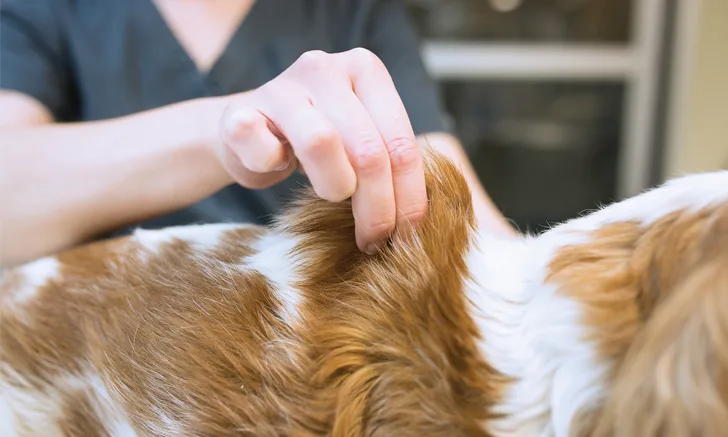
Image source: Bing (Web (fair-use with source credit))
Watch for behavioral shifts alongside these physical tests. A starving dog often paces, whines, or eats grass frantically. A severely dehydrated dog does the opposite.
They hide, refuse to stand, and stop panting even when hot.
Monitoring their water bowl matters just as much as watching their food intake. Knowing the exact volume measurements for their daily rations helps you track exactly what goes missing. If the water level hasn’t dropped after twelve hours, take action.
Don’t wait for the skin tent test to fail.
When a Skipped Meal Is Normal vs. When It’s a Medical Emergency
Dogs occasionally skip meals for totally harmless reasons. Maybe they ate something weird on yesterday’s walk. Sometimes extreme heat suppresses their appetite for a day.
Stress from boarding or moving houses also causes temporary inappetence.
If your adult dog acts completely normal otherwise, give it 24 hours. Keep fresh water available at all times. Watch their energy levels and bathroom habits closely.
Playing fetch normally means their organs are likely functioning fine.
Call your vet immediately if vomiting accompanies the refusal to eat. Blood in the stool changes this from a wait-and-see situation to an emergency. Lethargy combined with a swollen, rigid abdomen points toward bloat or obstruction.
Those conditions kill in hours, not days.
We always recommend keeping a bland diet ready just in case. Boiled chicken breast and plain white rice soothe irritated stomachs. If you prefer adding flavor to encourage eating, learning how to make kibble more appealing gets stubborn dogs chewing again safely.
Just avoid forcing food into a nauseous mouth.
Never assume a lost dog follows standard rules either. Survival mode alters canine physiology dramatically. If your dog escapes, read up on what happens to their bodies during extended periods alone so you know what to expect upon recovery.
Reintroducing nutrition too fast after prolonged starvation causes refeeding syndrome. That electrolyte shift can stop their heart.
Safe Steps to Reintroduce Food and Water After Fasting
Bringing a fasted dog back to normal eating requires patience. Don’t just fill their bowl and walk away. Their stomach shrinks during fasting.
Dumping a full meal in causes immediate vomiting.
Start with water first if dehydration was the main issue. Offer ice cubes to lick instead of a full bowl. Gulping large amounts of water triggers nausea.
Let them melt two or three cubes every thirty minutes.
Once they keep ice down, move to small liquid sips. A syringe works well for weak dogs who won’t stand up. Aim for one tablespoon per ten pounds of body weight hourly.
Stop immediately if they gag or drool heavily.
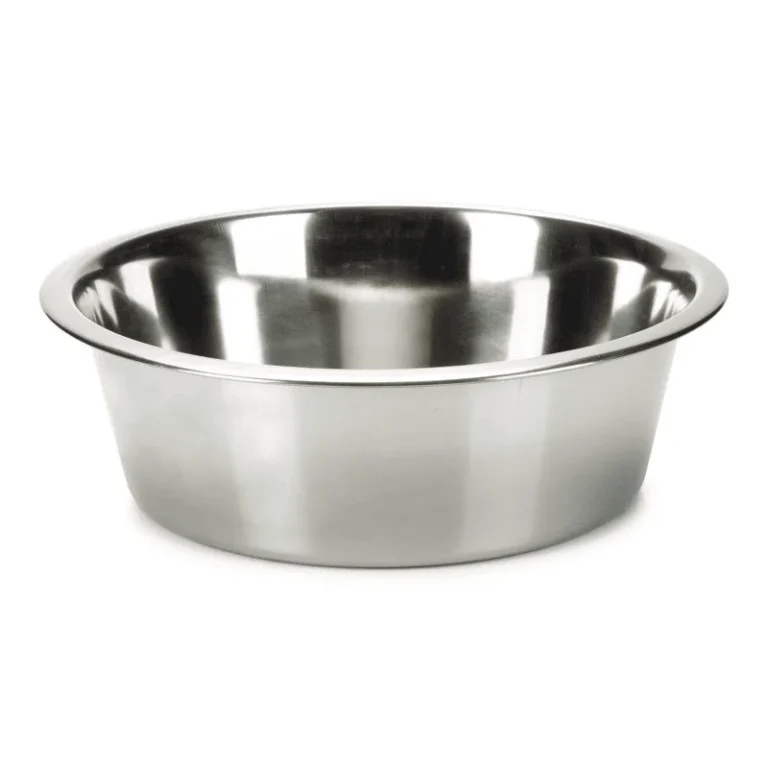
Food reintroduction happens after hydration stabilizes. Serve a quarter of their normal portion size. Using a properly sized dish prevents them from inhaling the food too quickly.
Wait four hours before offering another tiny meal.
Stick to easily digestible proteins initially. Boiled white fish or plain chicken breast works best. Avoid rich fats or heavy commercial treats right now.
If you feed raw diets normally, understanding appropriate portion sizes prevents overloading their sluggish digestive tract.
Gradually increase portions over three to five days. Day one stays at twenty-five percent of normal intake. Day two moves to fifty percent.
By day four, most healthy adults handle regular meals again.
Watch their stool closely during this transition. Soft stool is expected after fasting. Watery diarrhea means you increased portions too fast.
Back up to the previous step size and wait another twelve hours.
Common Mistakes That Put Your Dog at Risk
The biggest error we see is waiting too long to act. Owners read generic survival timelines online and assume five days is perfectly safe. That number applies only to healthy adults in ideal conditions.
Puppies and seniors don’t get that grace period.
Force feeding ranks as the second most dangerous mistake. Shoving food into a nauseous mouth risks aspiration pneumonia. Liquid enters the lungs instead of the stomach.
This turns a simple skipped meal into an intensive care emergency.
Ignoring water while obsessing over food happens constantly. People panic when a dog skips kibble but ignore the dry water bowl. Dehydration kills significantly faster than starvation does.
Always prioritize fluid intake first.
Giving human food to coax eating often backfires. Spices, onions, and garlic cause toxic reactions. Even safe foods like peanut butter add unnecessary fat loads.
Stick to bland veterinary approved options until appetite returns naturally.
Treating all dogs with the same timeline ignores biology. A seventy pound lab handles fasting differently than a four pound Yorkie. Adjust your response based on breed size and metabolic rate.
Generic advice fails specific patients.
Finally, celebrating too early leads to relapse. Eating one small meal doesn’t mean the crisis ended. Underlying infections or obstructions still lurk beneath temporary hunger.
Keep monitoring bathroom habits and energy levels for forty eight hours minimum.
Frequently Asked Questions
Can a dog survive 3 days without water?
A healthy adult dog might survive three days without drinking. However, severe organ damage starts within the first twenty four hours. Kidneys begin shutting down rapidly.
Never intentionally test this limit at home. Call a vet immediately if your dog stops drinking.
How long can a sick dog go without eating?
Sick dogs tolerate fasting very poorly compared to healthy ones. Conditions like diabetes or kidney disease shrink the safe window to mere hours. Inappetence combined with illness accelerates muscle wasting.
Contact your veterinarian if a sick dog skips more than one scheduled meal.
Will a dog starve itself if it doesn’t like the food?
Healthy dogs rarely starve themselves purely out of stubbornness. They usually eat eventually when genuine hunger sets in. Refusing food for multiple days points toward pain or illness.
Rule out dental problems or nausea before assuming picky behavior.
What are the first signs of dehydration in dogs?
Dry sticky gums appear before any other symptom. You will also notice thicker stringy saliva. Panting increases even in cool environments.
Lethargy follows shortly after these initial oral changes. Perform the skin tent test to confirm your suspicions.
Should I force my dog to drink water?
Never force water down a lethargic dog’s throat. Aspiration into the lungs causes fatal pneumonia. Instead offer ice chips or wet their gums gently.
Use a syringe only if the dog remains alert enough to swallow safely. Seek veterinary fluids for severe cases.
Legal and Ethical Warnings About Withholding Food or Water
Intentionally withholding food or water from a dog is animal cruelty. Every US state criminalizes depriving a pet of basic sustenance. Penalties range from heavy fines to felony charges and jail time.
Neglect laws apply even if you think your dog can handle it.
Veterinary guidelines are strict about this. The American Veterinary Medical Association defines failure to provide adequate nutrition as neglect. You cannot legally test survival limits on your own pet.
If your dog stops eating, that is a medical issue requiring professional help.
Some owners withhold food as punishment for bad behavior. This practice causes psychological trauma and physical harm. Dogs do not connect starvation with chewing your shoes yesterday.
They only experience fear and pain.
Leaving a dog outside without shade or water in summer heat is another common violation. Ambient temperatures above 85 degrees Fahrenheit accelerate dehydration drastically. A healthy dog loses water through panting much faster than you realize.
Leaving them tied up near an empty bowl invites legal trouble.
Foster workers and rescues face these rules too. Stressed dogs often refuse meals during transport. Documenting every attempt to offer food protects you legally.
Contact a veterinarian immediately if a newly rescued dog rejects water for over twelve hours.
If you suspect someone else is starving their dog, report it. Local animal control agencies investigate these claims daily. You do not need proof beyond reasonable suspicion.
Making the call might save a life.
Frequently Asked Questions
How long after surgery will a dog refuse food?
Most dogs skip one meal after anesthesia wears off. Nausea from sedation drugs suppresses appetite temporarily. Offer small amounts of water first.
Call your vet if they reject food for more than twenty four hours post operation.
Can I leave my dog alone for a weekend without food?
Never leave a dog unattended for 48 hours without provisions. Adult dogs need fresh water constantly. Arrange a pet sitter or boarding facility.
Automatic feeders fail frequently and cannot replace human supervision.
Why is my dog drinking but not eating?
Drinking without eating usually signals nausea or dental pain. Their body craves hydration while rejecting solid textures. Check their gums for redness or broken teeth.
Schedule a veterinary exam if this pattern lasts beyond one day.
Does wet food hydrate dogs better than kibble?
Wet food contains roughly seventy five percent moisture. Dry kibble holds only about ten percent. Dogs eating canned diets naturally consume more water.
Switching formats helps chronically dehydrated pets maintain better fluid balance.
What happens if my dog eats something toxic and stops eating?
Toxin exposure shuts down digestive function rapidly. Refusing food after eating garbage or chemicals is a critical emergency. Do not wait to see if their appetite returns.
Drive to an emergency veterinary clinic immediately.