When to Switch Dog from Puppy Food
When should I take my dog off puppy food? That’s a question many dog parents grapple with as their furry friend matures. The switch from specialized puppy kibble to adult dog food isn’t just a simple change of brands; it’s a crucial nutritional adjustment.
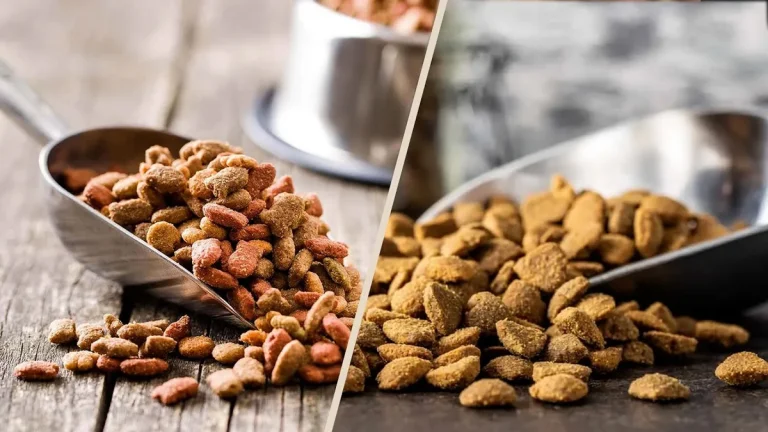
Puppy food is packed with extra calories, protein, and specific nutrients to fuel rapid growth. For instance, manufacturer specifications often highlight higher levels of calcium and phosphorus to support skeletal development. But once that growth phase slows, continuing with puppy food can actually lead to imbalances and weight gain.
Image source: YouTube / PetCubes Official (YouTube thumbnail (fair-use with source credit))
Quick Answer
You should take your dog off puppy food when they reach their expected adult size and maturity. This typically ranges from 9-12 months for small breeds and up to 18-24 months for giant breeds. Monitor your dog’s body condition and consult your vet for personalized timing.
The Big Picture: It’s Not Just About Age
While age is a primary indicator, it’s your dog’s individual development that truly dictates the timing for switching from puppy food to adult dog food. Puppy formulas are designed to support rapid growth and development, offering a higher density of calories, protein, and certain vitamins and minerals like calcium and phosphorus. These elements are essential for building strong bones, developing muscles, and supporting a rapidly growing brain and organ systems.
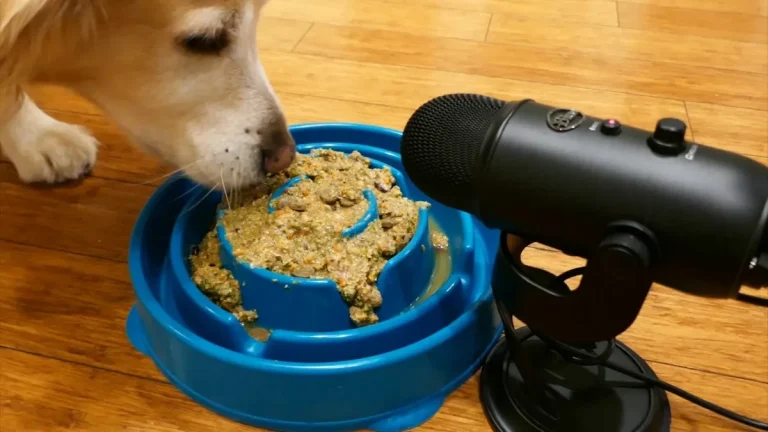
Image source: YouTube / amazon products promote (YouTube thumbnail (fair-use with source credit))
However, once a puppy has largely completed its growth cycle, these higher nutrient levels are no longer necessary. In fact, continuing to feed a calorie-dense puppy food can lead to an excess intake of nutrients and calories, potentially causing health issues like obesity or orthopedic problems, especially in larger breeds. The goal is to transition to a maintenance diet that supports their adult body functions without encouraging further rapid growth or weight gain.
Key Factors: Breed Size & Growth Rate
The most significant factor in determining when to switch your dog from puppy food to adult food is their expected adult size, directly tied to breed. A Great Dane’s growth trajectory is vastly different from a Yorkshire Terrier’s, and their nutritional needs reflect this.
Small Breed Transition Timeline
For small breed dogs, typically those expected to weigh under 20 pounds as adults, the transition often happens sooner. These breeds usually reach their full adult size and sexual maturity between 9 to 12 months of age. At this point, their growth rate significantly slows or stops altogether.
Continuing with puppy food can contribute to excessive weight gain, as their smaller frames don’t require the same calorie surplus for development. Owners of small breeds should start assessing their dog’s body condition and consult their veterinarian around the 9-month mark to determine the optimal time for the switch.
Medium Breed Transition Timeline
Medium breed dogs, generally those expected to weigh between 20 and 50 pounds as adults, follow a slightly extended timeline. Their growth period is typically longer than that of small breeds, with many reaching their adult size and maturity around 12 to 15 months of age. By this age, their bone development is largely complete, and their energy needs shift from growth support to maintenance.
It’s advisable to begin the conversation with your vet about transitioning to adult food as your medium-breed reaches the latter end of this age range, paying close attention to their body condition.
Large Breed Transition Timeline
Large breed dogs, those expected to weigh between 50 and 90 pounds as adults, require a more extended puppy nutrition phase. This is critical for supporting their slower but significant bone and joint development. Prematurely switching to adult food can mean they don’t get enough nutrients to support this crucial phase, while staying on puppy food too long without paying attention to calorie intake can lead to rapid weight gain that stresses developing joints.
Large breeds generally reach their mature size around 15 to 18 months of age. Monitoring their growth rate and discussing the transition strategy with your veterinarian is paramount during this extended puppyhood. Research indicates that for optimal musculoskeletal development, large breeds benefit from a carefully managed diet until they are fully mature.
Giant Breed Transition Timeline
Giant breeds, which include dogs expected to weigh over 90 pounds as adults, have the longest growth period and the most critical need for carefully managed nutrition. Their skeletal development continues well into adulthood, often until 18 to 24 months of age, and sometimes even beyond. Feeding a common puppy food to giant breeds can lead to overly rapid growth, which significantly increases the risk of developmental orthopedic diseases like hip dysplasia and elbow dysplasia.
These dogs need a specific large-breed puppy formula, and the switch to an adult diet should be carefully timed, often closer to their second birthday, and always under the guidance of a veterinarian.
Assessing Your Dog’s Body Condition
Beyond just looking at the calendar, assessing your dog’s physical condition is a vital step in deciding when to transition them to adult food. Their body composition tells a clearer story than their age alone.
The Ribs Test: Feeling for Readiness
A simple yet effective way to gauge your dog’s body condition is the “ribs test.” You should be able to easily feel your dog’s ribs with a light touch, similar to how you’d feel the back of your hand. If you have to press hard to feel them, your dog is likely carrying too much weight, possibly from excess calories in their puppy food. Conversely, if the ribs are visually prominent or you can feel the bones sharply, they might still need the supportive nutrition of puppy food, or there could be another underlying issue.
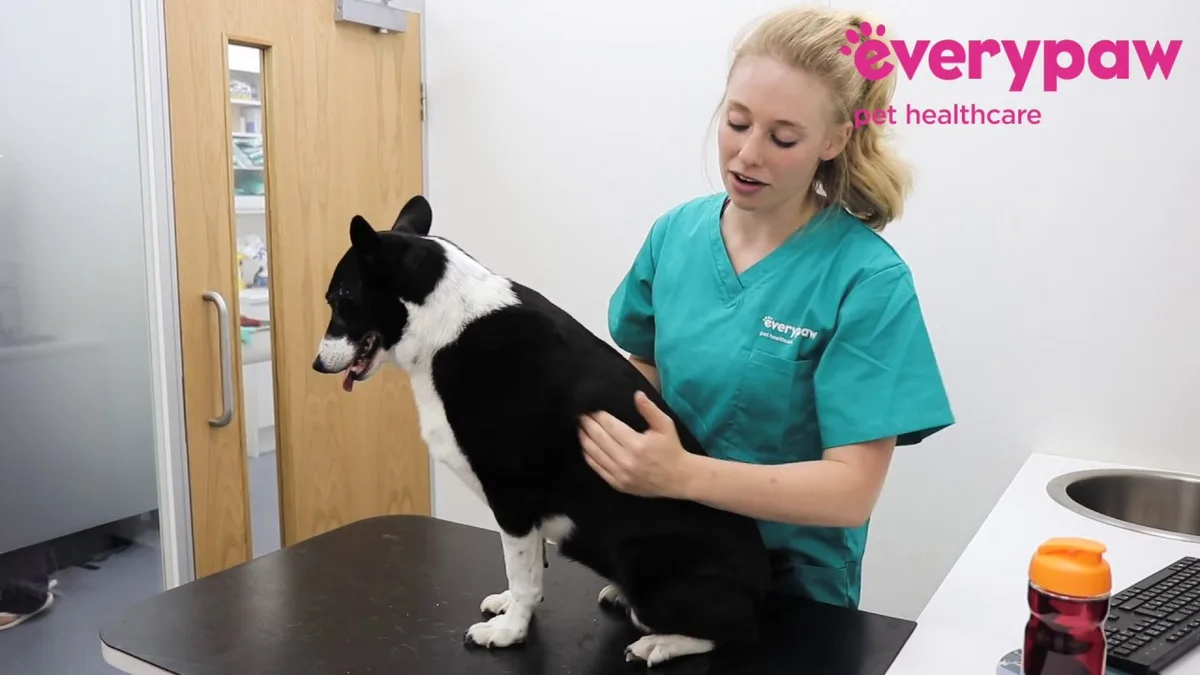
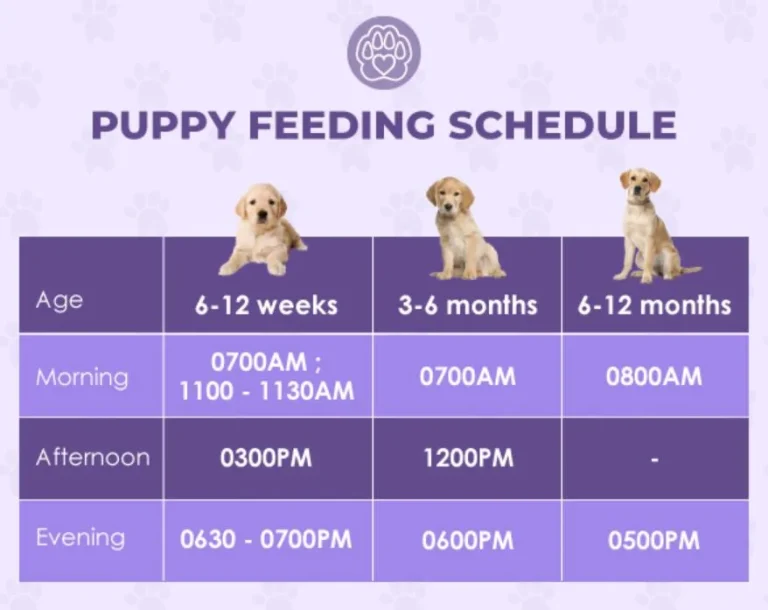
Image source: YouTube / Everypaw Pet Insurance (YouTube thumbnail (fair-use with source credit))
Checking for a Waistline Definition
Another key indicator is your dog’s waistline. When you look at your dog from directly above, you should observe a visible tuck or indentation behind their rib cage, leading to their abdomen. This “waist” signifies a healthy body composition.
If your dog appears straight-lined from the chest to the hips, like a barrel, they are likely carrying excess weight. This is a strong sign that their current diet, which may be puppy food, is contributing too many calories for their current stage of development and activity level.
Working With Your Veterinarian
Your veterinarian is your most valuable partner in ensuring your dog transitions smoothly from puppyhood to adulthood. They have the expertise to assess your dog’s overall health, growth rate, and specific nutritional needs. When you’re nearing the typical transition age for your dog’s breed size, schedule an appointment.
Your vet can perform a hands-on physical examination, palpating your dog’s body to assess their body condition score accurately. They can also review any growth charts or weight tracking you’ve done. Based on this assessment, along with their knowledge of breed-specific nutritional requirements and your dog’s individual health history, they can provide a precise recommendation on when to make the switch.
They can also suggest appropriate adult dog food formulas, considering factors like activity level and any potential health predispositions.
Common Questions About Switching Foods
As you consider the timing and process of moving your dog to adult food, several common questions arise. Understanding these can help you make an informed decision and ensure a smooth transition.
What Happens If I Switch Too Early?
Switching to adult food before your dog has fully matured can mean they miss out on crucial nutrients needed for continued growth. For large and giant breeds, this is particularly risky, potentially hindering proper skeletal development and increasing the likelihood of orthopedic issues. For all breeds, it can mean they aren’t receiving the right balance of calories and protein to support their energetic, growing bodies, which could lead to slower development or potential health concerns.
What Happens If I Wait Too Long?
If you continue feeding puppy food past your dog’s maturity, you’re likely overfeeding them. Puppy food is calorie-dense and formulated for growth. Adult dogs, who no longer need to fuel rapid development, can quickly gain excess weight on a puppy diet, leading to obesity.
This can put undue stress on their joints and internal organs, increasing the risk of conditions like diabetes, heart disease, and joint problems later in life.
Can I Mix Puppy and Adult Food?
Gradually mixing puppy food with adult food is the recommended way to transition your dog to a new diet to avoid digestive upset. However, it’s not a long-term solution or a way to indefinitely delay the switch. Once your dog has reached their appropriate age and body condition for adult food, feeding a mixture means you’re still providing a potentially over-caloric diet.
The goal is a full transition to an adult maintenance formula.
How to Transition Your Dog to Adult Food
Transitioning your dog from puppy food to adult food should be a gradual process to prevent digestive upset. Sudden changes in diet can lead to vomiting or diarrhea. The key is to introduce the new food slowly while phasing out the old.
Aim for a transition period of about seven to ten days. Start by mixing a small amount of the new adult dog food with your dog’s current puppy food. Over the week, gradually increase the proportion of adult food and decrease the puppy food.
Ensure your dog is still eating well and shows no signs of stomach upset. If any issues arise, slow down the transition.
Gradual Transition Method
Here’s a simple, step-by-step approach to safely transition your dog to adult food:
- Days 1-3: The Introduction. Mix 75% puppy food with 25% new adult dog food. Observe your dog for any signs of gastrointestinal distress like loose stools or vomiting.
- Days 4-6: Increasing the New Food. Increase the ratio to 50% puppy food and 50% adult dog food. Continue to monitor your dog closely.
- Days 7-9: The Dominant Mix. Use 25% puppy food and 75% adult dog food. Most dogs should be handling this well by now.
- Day 10 Onward: Full Adult Diet. Switch completely to 100% adult dog food. All puppy food should be phased out.
If your dog shows any signs of intolerance at any stage, revert to the previous day’s ratio for a few more days before trying to advance again. Sometimes, a longer transition period is necessary for sensitive stomachs. You might also find that some adult formulas, especially those focused on weight control, are a good option if your dog tends to gain weight easily.
Consider resources on what is the best weight control dog food in 2026? for more insights.
Common Mistakes to Avoid
When switching your dog from puppy food to adult food, a few common errors can lead to unnecessary health issues or digestive problems for your furry friend. Being aware of these pitfalls can help you navigate the transition smoothly and ensure your dog stays healthy.
One frequent mistake is abrupt food changes. Owners sometimes run out of puppy food and immediately buy a new bag of adult food, switching cold turkey. This sudden dietary shift can shock a dog’s digestive system, leading to vomiting, diarrhea, or loss of appetite.
Another error is misjudging the right timing, especially with larger breeds. Owners might switch too early based solely on age, rather than a proper assessment of their dog’s growth completion. This can result in insufficient nutrient intake for proper development.
Additionally, some owners overfeed adult food immediately, not accounting for the different calorie density compared to puppy food, which can quickly lead to weight gain.
Alternative Diet Considerations
While the primary shift is from puppy kibble to adult kibble, some owners explore other dietary paths as their dog matures. These can include specialized diets or different food formats that may better suit an adult dog’s needs or your lifestyle.
Some owners consider switching to fresh food diets, like those from The Farmer’s Dog, or exploring raw food options. These diets can offer different nutritional profiles and may be appealing for their perceived naturalness. If you’re contemplating a feeding plan that isn’t mainstream kibble, it’s crucial to research thoroughly.
For instance, understanding how much fresh dog food to feed your dog daily or learning how to start raw food diet for dogs: easy guide are important steps. Wet food is another option; understanding how many cans of wet food for a dog? step by step helps determine portion sizes if that becomes your primary feeding method.
When to Seek Expert Paw-sitive Advice
While much of the transition can be managed at home with awareness, there are specific scenarios where seeking professional veterinary guidance is not just recommended but essential. Your veterinarian’s expertise is invaluable for ensuring your dog’s long-term health and well-being.
If your dog experiences persistent digestive upset, vomiting, or diarrhea that lasts more than 48 hours after a dietary change, consult your vet immediately. These could be signs of a food intolerance or a more serious underlying health issue. Also, if your dog is underweight or overweight and you’re struggling to manage their nutrition, professional advice is critical.
For owners of breeds predisposed to orthopedic issues, like hip dysplasia or elbow dysplasia, veterinary guidance on diet is absolutely vital to support healthy skeletal development throughout their growth stages.
The Importance of Long-Term Nutrition
Transitioning to adult food is a significant step, but it’s part of a lifelong commitment to your dog’s nutritional health. Choosing the right adult food and maintaining appropriate feeding practices will support your dog through their adult years and into their senior stage.
The nutritional requirements of dogs change as they age. Senior dogs, for example, often benefit from different formulations than adult dogs; understanding what makes senior dog food different? is key for later stages. Maintaining a healthy weight is crucial at all life stages, and regular assessment of your dog’s body condition, along with consistent feeding schedules, will contribute to their overall vitality and longevity.
Remember that a balanced diet, appropriate for their life stage, is fundamental to a healthy, happy dog.