What Human Food Can I Give My Dog? A Safe Guide
If you are wondering what human food can i give my dog, the answer depends entirely on preparation and portion size. Sharing your dinner sounds fun until a toxic ingredient lands in their bowl. Dogs process foods differently than we do.
A harmless snack for you might send them to the emergency vet.
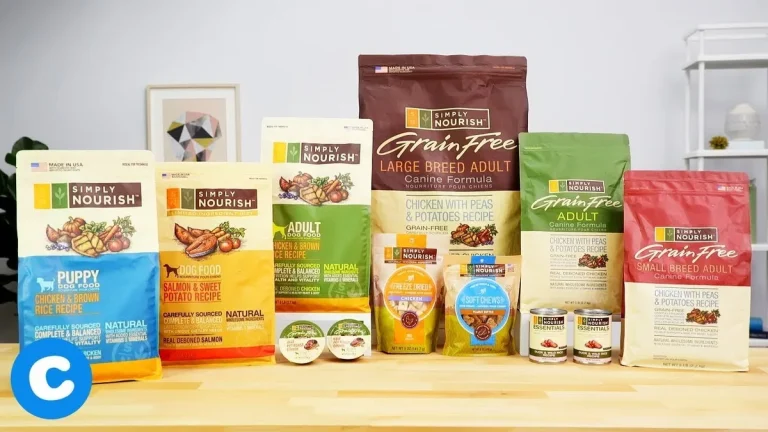
Per AAFCO nutritional guidelines, extras should never exceed 10% of total daily calories. The rest must come from complete canine diets. Guessing wrong carries real health risks.
Let us break down exactly what is safe to share.
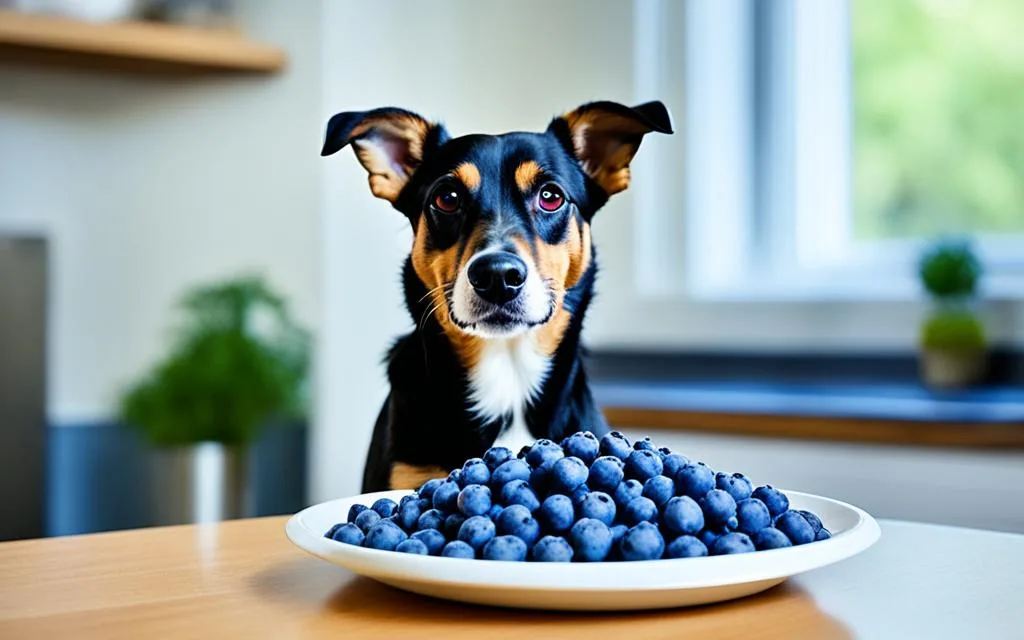
Image source: Bing (Web (fair-use with source credit))
Quick Answer
You can give dogs plain cooked meats and certain vegetables. Safe fruits include blueberries and seedless watermelon chunks. Always avoid onions, grapes, chocolate, and xylitol.
Cut everything into small pieces to prevent choking. Keep treats under ten percent of daily calories.
Why Guessing What Human Food Your Dog Can Eat Is a Real Risk
Feeding dogs from your plate feels natural. But human meals hide serious dangers for canines. Our research shows that accidental poisoning spikes during holidays when rich table scraps flow freely.
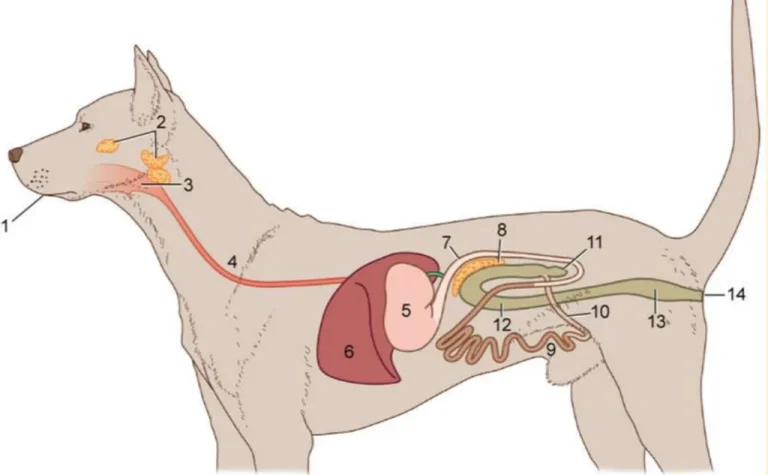
Dogs lack specific enzymes to break down compounds we digest easily.
Take allium toxicity as an example. Onions, garlic, chives, and leeks damage canine red blood cells. This triggers hemolytic anemia.
Even powdered forms baked into bread or dusted on fries cause harm. You cannot just scrape the seasoning off and call it safe.
Then there is the fat issue. High fat foods like bacon grease or chicken skin trigger pancreatitis. That means severe abdominal pain and costly vet bills.
If your dog eats something strange, knowing how long they manage without eating helps gauge urgency. Guesswork leads to emergencies.
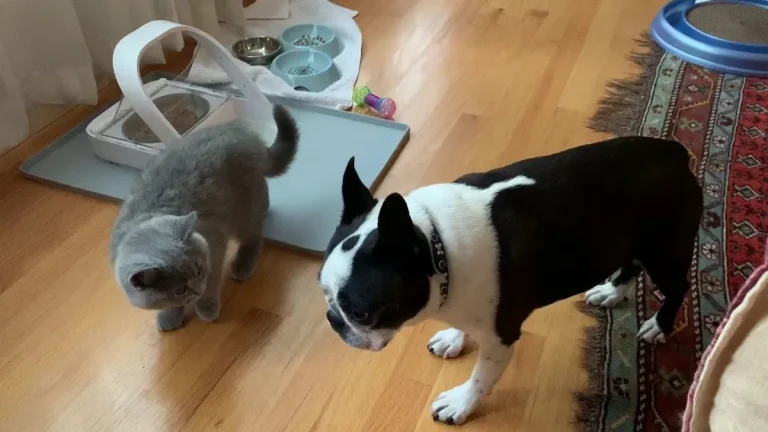
We also see owners assuming cross species safety. Just because another pet handles a food does not mean your dog will. Dietary needs vary wildly between species.
Assuming otherwise is how accidents happen in multi pet households.
The 10% Rule: How to Calculate Safe Portions for Any Breed
The 10% rule is the foundation of safe treat feeding. Extras like carrots or boiled chicken must stay under 10% of daily caloric intake. The remaining 90% comes from balanced dog food.
Exceeding this limit causes nutritional imbalances and rapid weight gain.
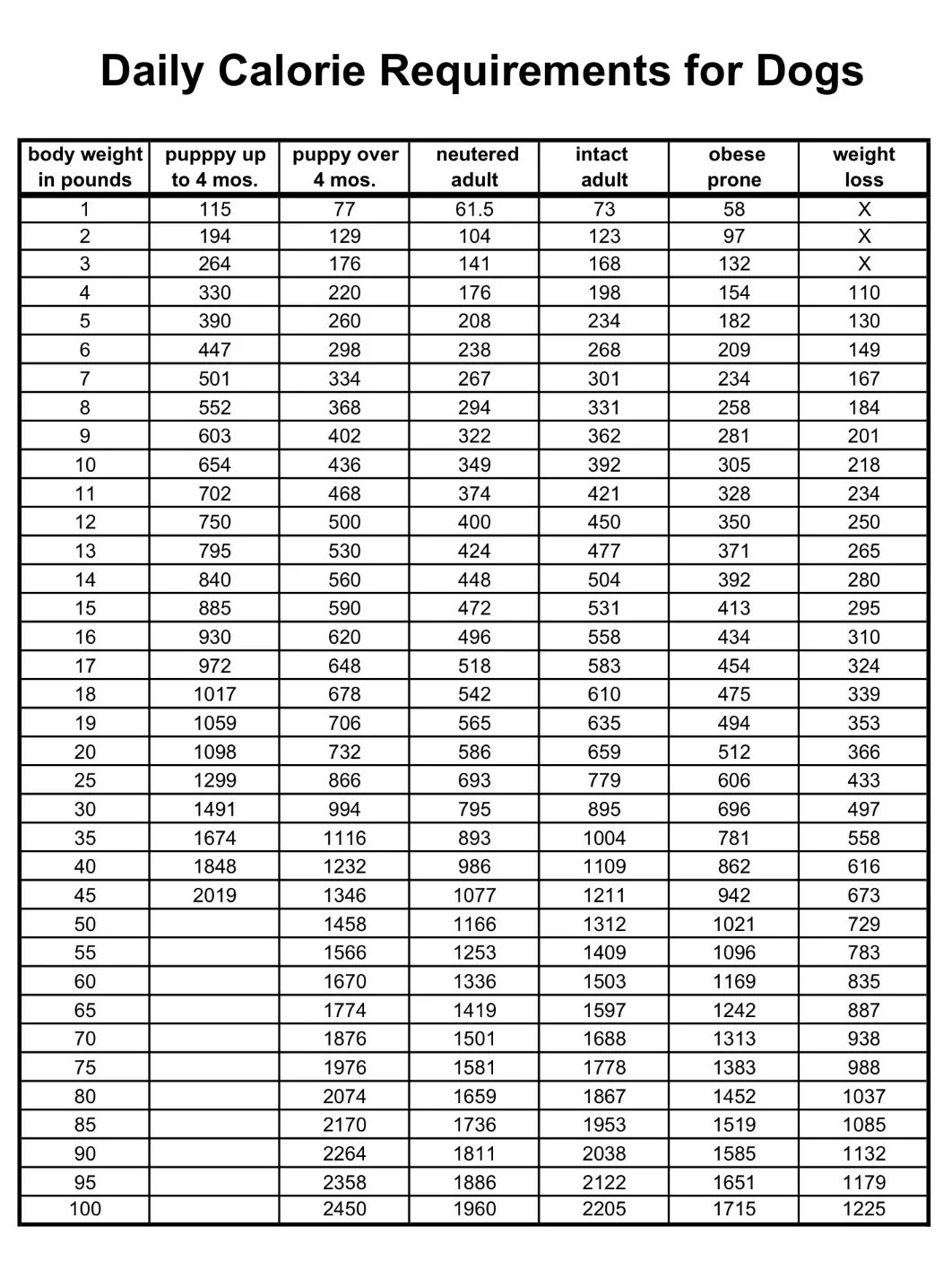
Image source: Bing (Web (fair-use with source credit))
Calorie math changes based on body weight. A 50 pound active dog burns roughly 1,000 calories daily. Their treat budget maxes out at 100 calories.
A 10 pound terrier only needs about 300 calories total. Their allowance drops to 30 calories.
Here is how common snacks stack up against those limits:
| Treat Item | Approximate Calories | Fits Which Size Dog |
|---|---|---|
| Baby carrot (one) | 4 kcal | Any size |
| Blueberries (half cup) | 42 kcal | Medium to large breeds |
| Peanut butter (one tbsp) | 90 kcal | Large breeds only |
| Boiled egg (one whole) | 78 kcal | Medium to large breeds |
One tablespoon of peanut butter wipes out a big dog’s entire daily allowance. For a tiny breed, it is three times their limit. Portion control prevents obesity.
If you need help measuring daily kibble amounts, start there before adding human snacks.
Always weigh or measure treats. Eyeballing portions fails every time. Small dogs suffer most from overfeeding because their margins are razor thin.
Stick strictly to the math.
The Green Light: Human Foods That Are Actually Good for Dogs
Some human foods actively support canine health when served plain. These items provide vitamins, fiber, and lean protein without unnecessary fillers. They work brilliantly as training rewards or meal mixers.
Just keep them unseasoned.
Lean proteins top the list. Plain boiled chicken breast offers highly digestible amino acids. Whitefish and salmon deliver omega 3 fatty acids that reduce joint inflammation.
Always cook fish thoroughly to kill parasites. Remove every single bone before serving.
Vegetables offer crunch and micronutrients. Carrots are packed with beta carotene. Steamed sweet potatoes provide excellent dietary fiber.
Green beans act as low calorie volume fillers for overweight dogs needing to feel full. Serve them raw or lightly steamed.
Fruits bring antioxidants and hydration. Seedless watermelon cools dogs down in summer heat. Blueberries deliver dense antioxidant profiles in tiny packages.
Apples supply vitamins A and C. You must core apples completely since seeds contain trace cyanide compounds.
Plain canned pumpkin puree regulates digestion. Vets recommend it for both loose stools and constipation. Do not buy pumpkin pie filling.
It contains added sugars and spices that upset stomachs. Check labels carefully.
If your dog struggles with poultry sensitivities, finding alternative protein sources matters before tossing them chicken scraps. Not every dog tolerates the same proteins. Rotate safe options to find what works best.
Adding variety keeps meals interesting safely.
The Yellow Light: Safe Foods That Turn Toxic If Prepped Wrong
Preparation dictates safety for several common pantry staples. Cooked correctly, these foods nourish. Handled poorly, they cause illness.
Pay close attention to how you prep them.
Eggs are a perfect example. Hard boiled or scrambled eggs offer fantastic protein. Raw eggs carry Salmonella risks.
Raw egg whites also contain avidin. This protein blocks biotin absorption over time, leading to skin and coat issues. Always apply heat first.
Rice and pasta soothe upset stomachs. White rice digests faster than brown rice. Both must be boiled completely plain.
No butter, no salt, no sauces. They serve as temporary bland diets rather than permanent meal replacements. Overreliance causes nutrient deficiencies.
Dairy requires extreme caution. Most adult dogs lose lactase enzymes after puppyhood. This makes them lactose intolerant.
A spoonful of plain Greek yogurt provides beneficial probiotics. A bowl of milk guarantees gas and diarrhea. Hard cheeses like cheddar contain less lactose than soft varieties.
Fish needs meticulous prep. Water packed canned sardines offer great calcium if bones are soft. Oil packed versions cause gastric distress.
Never feed raw freshwater fish due to parasite loads. Bake or boil everything thoroughly.
Potatoes highlight how cooking alters chemistry. Raw potatoes contain solanine, which is toxic to dogs. Baking or boiling destroys the solanine completely.
Never toss your dog a raw potato peel. If you use fresh ingredients as meal enhancers, verify prep methods first. Spices ruin safe bases.
We frequently get asked if sweet baking spices belong in dog food. They absolutely do not. Keep everything aggressively boring.
The Red Line: Everyday Human Foods That Cause Organ Failure
Certain foods have zero safe dose for dogs. Ingestion demands immediate veterinary intervention. Do not wait for symptoms to appear.
Damage begins internally long before your dog acts sick.
Chocolate contains theobromine. Dogs metabolize this stimulant incredibly slowly. Dark chocolate and baking cocoa hold lethal concentrations compared to milk chocolate.
It attacks the heart and central nervous system. Seizures and cardiac arrest follow high doses.
Grapes and raisins cause acute kidney failure. Veterinary science still lacks a definitive mechanism for this toxicity as of 2026. The terrifying part is the unpredictability.
One dog might eat a handful and survive while another suffers fatal renal shutdown from a single raisin. Treat all exposures as emergencies.
Xylitol is arguably the most dangerous hidden threat. Manufacturers use this sugar alcohol in gum, baked goods, and many peanut butters. It triggers massive insulin release in dogs.
Blood sugar plummets within minutes. Liver failure follows shortly after.
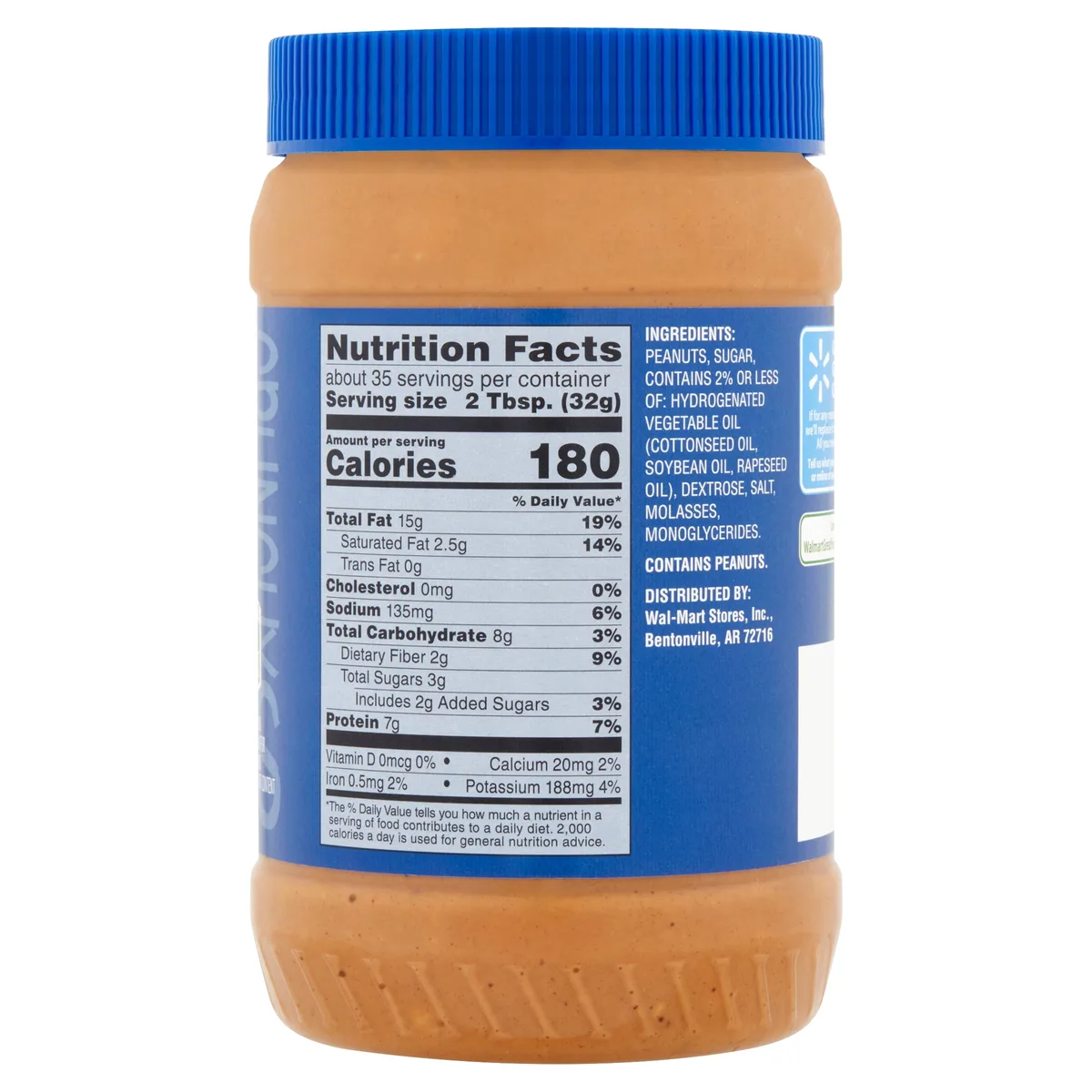
Image source: Bing (Web (fair-use with source credit))
Always read peanut butter ingredient lists. Look specifically for “xylitol” or “birch sugar”. The FDA issues regular warnings about unlabeled xylitol in imported products.
If you suspect ingestion, contact the ASPCA Animal Poison Control Center immediately. Do not induce vomiting at home unless instructed by a professional.
Macadamia nuts cause hind limb weakness, tremors, and hyperthermia. Symptoms typically surface within twelve hours. Avocado flesh contains persin.
While less deadly to dogs than birds, it causes severe vomiting. The giant pit also poses a critical intestinal blockage risk.
Cooked bones splinter into sharp shards. They puncture esophagi and intestines easily. Never give your dog leftover rib bones or poultry carcasses.
If a household member accidentally shares a toxic scrap, understanding cross species dietary dangers reminds us how sensitive canine digestion truly is. Keep forbidden foods locked away.
When Table Scraps Go Wrong: Symptoms and Emergency Steps
Accidents happen fast. A toddler drops a grape. A wrapper gets left on the counter.
Recognizing toxicity symptoms early changes outcomes completely. You need to know exactly what to watch for.
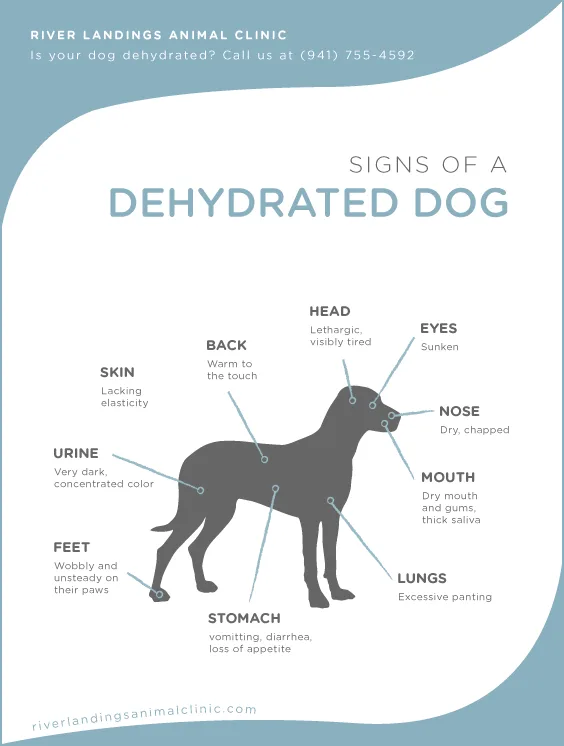
Gastrointestinal distress usually hits first. Vomiting, diarrhea, or excessive drooling signal irritation. Lethargy or sudden loss of coordination points to neurological involvement.
If your dog is pacing, panting heavily, or trembling, escalate immediately.
Never induce vomiting at home without professional guidance. Hydrogen peroxide dosing is highly weight dependent. Giving too much causes severe gastric ulceration.
Call your veterinarian or the ASPCA Animal Poison Control Center right away. Have your dog’s exact weight ready when you call.
If you suspect ingestion, estimate the amount eaten. Note the time it happened. Bring the packaging with you to the clinic if possible.
Ingredient lists help toxicologists calculate exposure risks accurately.
Watch for delayed reactions too. Kidney failure from grapes takes 24 to 72 hours to manifest fully. Liver damage from xylitol can peak days later.
Do not assume your dog is fine just because they look okay an hour after eating something dangerous.
We see owners panic and feed bread or milk to “absorb” toxins. This rarely helps. It often delays proper veterinary treatment.
Skip the old wives’ tales and get on the phone with a professional. Fast action saves lives.
Keep emergency numbers saved in your phone now. Don’t wait for a crisis to search for them. Preparation cuts down response time when every minute counts.
Frequently Asked Questions
Can dogs eat plain cooked pasta?
Yes, plain boiled pasta is safe for dogs in small amounts. It must be completely free of sauces, butter, garlic, or salt. Pasta offers empty carbohydrates rather than dense nutrition.
Use it only as an occasional bland treat for upset stomachs.
Is peanut butter always safe for dogs?
Peanut butter is safe only if it contains zero xylitol. Always read the ingredient label before opening a new jar. Some brands use birch sugar instead of the word xylitol.
Stick to natural varieties containing only peanuts and maybe salt.
How much pumpkin should I give my dog?
A general guideline is one teaspoon per ten pounds of body weight daily. Only use plain canned pumpkin puree. Never use spiced pumpkin pie filling.
Too much fiber causes loose stools, so start with half the recommended dose.
Are raw vegetables better than cooked ones?
It depends entirely on the vegetable. Carrots are great raw or lightly steamed. Sweet potatoes and regular potatoes must be fully cooked to destroy solanine.
Hard raw vegetables also pose choking hazards for smaller breeds.
What happens if my dog eats a tiny piece of onion?
Even small amounts of onion damage canine red blood cells over time. A single accidental bite might not cause immediate collapse. Repeated exposure leads to hemolytic anemia.
Contact your vet for advice based on your dog’s specific weight.
Can puppies eat the same human foods as adults?
Puppies have developing digestive systems and strict caloric needs for growth. Stick to their formulated puppy diet primarily. If offering safe treats like blueberries, cut them extremely small.
Adjusting feeding stages correctly prevents nutritional gaps during critical growth windows.