How to Can Dogs Have Human Food
If you are wondering can dogs have human food, the answer depends entirely on what is on your plate. Some everyday ingredients cause organ failure in minutes. Others make excellent training treats.
Per AAFCO nutritional standards, a dog's primary diet must be complete and balanced. Human food should only act as a supplement. Let's look at exactly which foods pass that test and which ones don't.
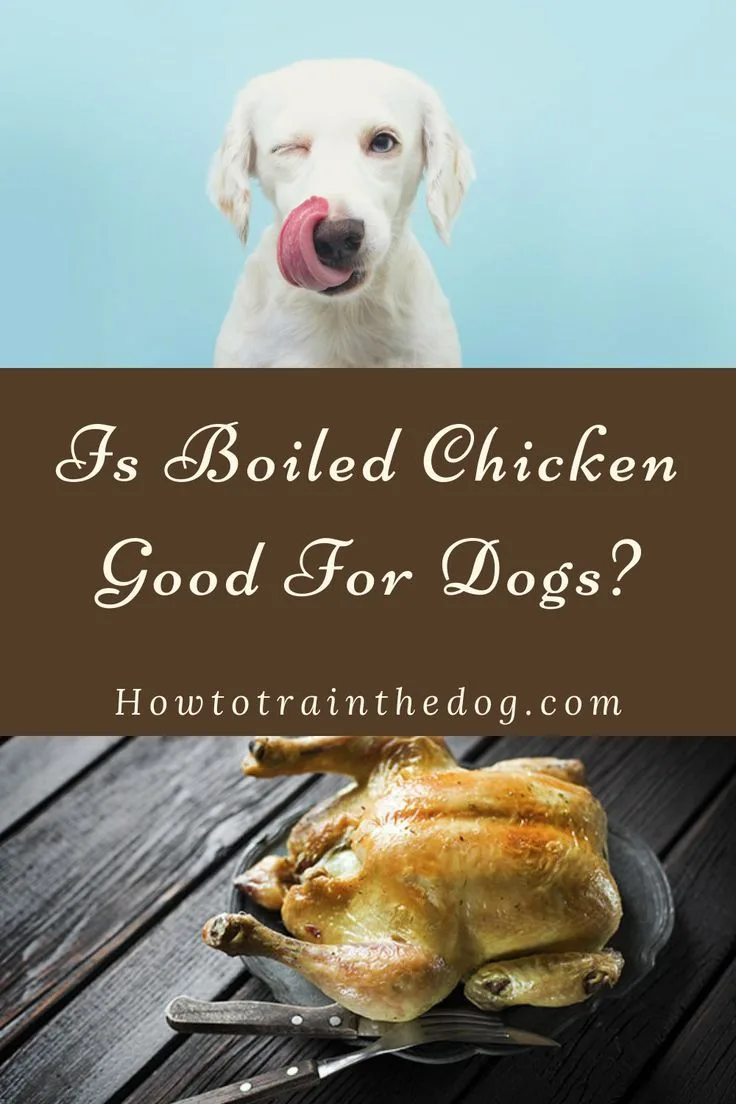
Image source: Bing (Web (fair-use with source credit))
Quick Answer
Dogs can eat some human food safely. Many common foods are highly toxic. Always check ingredients before sharing meals.
Keep portions very small. Consult your vet about specific dietary needs.
Can Dogs Eat Human Food? The Short Answer on Safety and Dose
Yes, dogs can eat certain human foods, but safety comes down to preparation and portion size. A plain piece of boiled chicken breast is perfectly fine. That same chicken covered in garlic butter and onions becomes a medical emergency.
You have to separate the ingredient from the recipe.
Our research shows that most accidental poisonings happen because owners assume a cooked dish is safe just because the main protein is fine. Spices, cooking fats, and hidden sweeteners change everything. If you want to share your meal, stick to single, whole ingredients.
The Association of American Feed Control Officials sets strict nutrient profiles for canine diets. Commercial kibble or wet food formulated to meet these standards should provide 90 percent of your dog's daily calories. The remaining 10 percent is your budget for treats and fresh snacks.
Exceeding that limit disrupts the calcium to phosphorus ratio. It also leads to rapid weight gain.
Before tossing your dog a scrap, ask yourself three questions. Is this ingredient naturally toxic to dogs? Was it cooked in fat or seasoned with alliums?
Does this fit inside my 10 percent calorie allowance? If any answer gives you pause, keep it out of the bowl. For guidance on measuring daily portions by weight, keeping track of those calories gets much easier.
The Real Danger: How Dose-Dependent Toxicity Actually Works
Toxicity in dogs is rarely black and white. It is usually a math problem. The dose makes the poison, and body weight dictates how fast things go wrong.
A 70 pound Labrador eating a square of milk chocolate might get an upset stomach. A 5 pound Chihuahua eating that exact same square faces cardiac arrhythmias.
Theobromine is the compound in chocolate that dogs cannot metabolize efficiently. Clinical signs start around 20 milligrams per kilogram of body weight. Severe cardiac issues begin near 40 milligrams per kilogram.
Dark baking chocolate contains significantly more theobromine than milk chocolate. This is why knowing the exact type matters during an emergency.
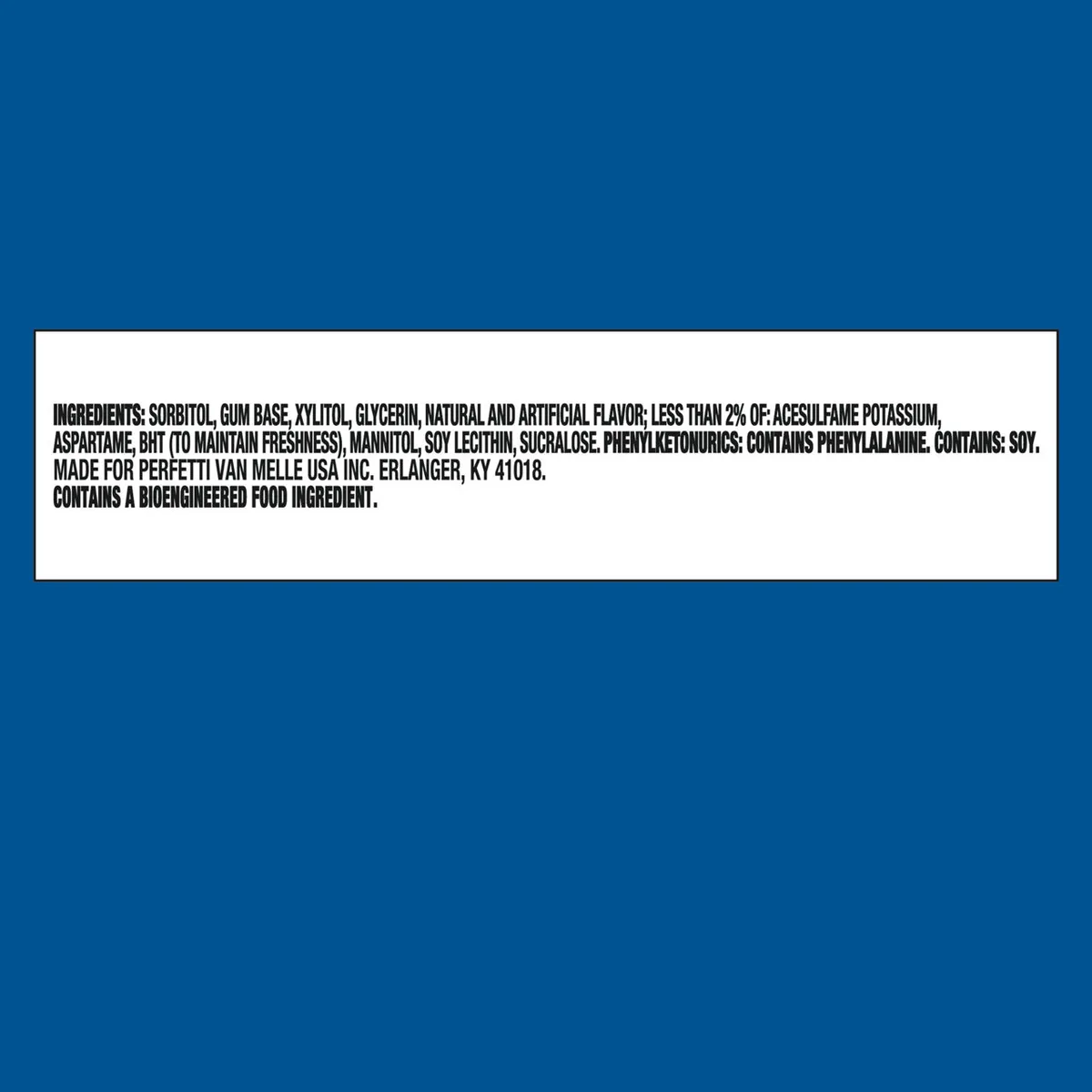
Image source: Bing (Web (fair-use with source credit))
Xylitol is even more aggressive. As of 2026, birch sugar remains incredibly common in keto baked goods, sugar free gums, and certain peanut butters. Hypoglycemia can trigger at doses as low as 0.1 grams per kilogram.
Liver failure follows at anything over 0.5 grams per kilogram. One piece of gum dropped on the kitchen floor can kill a small dog.
Grapes and raisins break the dose rules entirely. Veterinary toxicologists have never established a safe threshold for them. The reaction is idiosyncratic.
One dog eats a handful of raisins off the trail and acts fine. Another eats two grapes and enters acute kidney injury within hours. Never gamble with vine fruits.
| Toxic Food | Active Toxin | Danger Threshold | Primary Risk |
|---|---|---|---|
| Chocolate | Theobromine | 20 mg/kg | Cardiac arrest, seizures |
| Xylitol | Xylitol | 0.1 g/kg | Hypoglycemia, liver failure |
| Grapes | Unknown | No safe dose | Acute kidney injury |
| Macadamia Nuts | Unknown | 2.4 g/kg | Weakness, hyperthermia |
| Onions/Garlic | Thiosulfate | Cumulative | Hemolytic anemia |
Allium species like onions, garlic, leeks, and chives destroy red blood cells. The damage is cumulative. A little garlic powder on your fries every week eventually causes hemolytic anemia.
If your dog accidentally swallows something on this list, understanding how long they can go without water while you rush to the clinic helps frame the urgency. The FDA Center for Veterinary Medicine tracks these toxic exposures closely, confirming that early intervention saves lives.
Safe People Food for Dogs (And Exactly How to Prep It)
You have plenty of great options when you want to offer fresh food. Whole foods provide antioxidants, fiber, and moisture that dry kibble lacks. The trick is keeping the preparation boring.
Dogs do not need salt, pepper, olive oil, or butter.
Blueberries are one of the easiest snacks you can offer. They are packed with antioxidants and require zero prep work. Just wash them and hand them over.
For tiny dogs, cut them in half to prevent choking.

Image source: Bing (Web (fair-use with source credit))
Plain canned pumpkin is a staple for digestive issues. Make sure you buy 100 percent pure pumpkin puree. Do not buy pie filling, which is loaded with sugar and spices.
Pumpkin provides soluble fiber that firms up loose stools and helps with mild constipation.
Lean proteins like chicken breast or turkey must be boiled or baked plain. Remove the skin first. High fat content triggers pancreatitis.
Cooked bones are completely off limits because they splinter and puncture the intestinal tract. If you prefer raw feeding, review the correct steps for handling uncooked meats safely to avoid bacterial contamination.
Vegetables like carrots, green beans, and sweet potatoes are fantastic low calorie choices. Steam or boil them until soft. Peeling sweet potatoes removes any risk of solanine if they have started to turn green.
Apples are safe too, but you must core them first. Apple seeds contain amygdalin, which releases cyanide when chewed.
Peanut butter works well for hiding pills or stuffing enrichment toys. Read the label every single time. Manufacturers change formulas constantly.
If you see xylitol or birch sugar listed, put the jar back. Stick to brands where peanuts are the only ingredient. Adding fresh whole foods as meal supplements keeps dinner exciting without compromising nutrition.
Why Table Scraps Cause Pancreatitis, Obesity, and Behavioral Issues
Tossing your dog a piece of bacon or the fatty edge of your steak feels harmless. It is actually one of the fastest ways to land in an emergency veterinary clinic. High fat foods overwhelm the canine pancreas.
This causes acute inflammation known as pancreatitis. Symptoms include severe vomiting, abdominal pain, and lethargy. Treatment requires hospitalization and IV fluids.
Obesity is the slower, quieter threat. A few table scraps add up fast. One baby carrot is roughly four calories.
One tablespoon of peanut butter is about 90 calories. If your dog needs 800 calories a day, that single spoonful of peanut butter eats up more than 10 percent of their allowance instantly. Overweight dogs face joint stress, shortened lifespans, and metabolic diseases.
Calculating the right volume for a larger breed prevents accidental overfeeding.
Feeding from the table also creates behavioral problems. Dogs learn quickly. If begging works once, they will try it every single night.
This escalates into whining, pawing, and resource guarding. It ruins your dinner and stresses the dog out.
Food allergies complicate things further. Dairy is a common culprit. Most adult dogs lack the lactase enzyme needed to digest cow's milk properly.
Feeding cheese or ice cream often results in gas and diarrhea. If your dog already struggles with poultry sensitivities, finding alternative protein sources for allergic pets is essential before introducing new human meats.
The 10% Rule: A Step-by-Step Guide to Feeding Human Food Safely
The 10 percent rule is your safety net. Treats, including all human food, must never exceed 10 percent of your dog's total daily caloric intake. The other 90 percent comes from a complete and balanced commercial diet.
Here is how to apply that in real life.
First, calculate your dog's daily caloric requirement. Your veterinarian can provide this number based on age, breed, and activity level. If your dog needs 1,000 calories a day, your treat budget is exactly 100 calories.
Second, verify every ingredient. Check labels for hidden onion powder, garlic salt, or artificial sweeteners. Wash all produce thoroughly to remove pesticide residue.
Peel fruits and vegetables when appropriate.
Third, prepare the food plainly. Boil, steam, or bake without oils, butter, or seasoning. Cut items into bite sized pieces appropriate for your dog's mouth.
Remove all seeds, pits, cores, and rinds.
Fourth, introduce new foods slowly. Offer a tiny piece and wait 24 hours. Watch for vomiting, diarrhea, or itching.
This step catches intolerances before they become emergencies.
Fifth, log the calories. If you give three blueberries and a slice of carrot, count those calories against your 10 percent budget. Adjust accordingly throughout the day.
Consistency prevents weight creep.
Following this process protects your dog's organs and waistline. It also ensures they get the micronutrients they actually need. When transitioning younger animals to adult diets, understanding when their nutritional needs shift helps you adjust that 10 percent allowance accurately.
The ASPCA Animal Poison Control Center recommends this methodical approach to keep household pets safe year round.
Emergency Triage: What to Do If Your Dog Eats Something Toxic
Time is the only metric that matters during a toxic ingestion. If your dog eats chocolate, grapes, or anything containing xylitol, call a professional immediately. Do not wait for symptoms to appear.
By the time vomiting starts, organ damage might already be underway.
Your first step is calling the ASPCA Animal Poison Control Center at 888-426-4435. They operate around the clock and employ veterinary toxicologists. Have your dog's weight, the exact food eaten, and the estimated amount ready.
This data lets them calculate the precise risk level.
Do not induce vomiting unless a professional explicitly tells you to do so. Hydrogen peroxide can cause severe gastric ulceration if used incorrectly. Some toxins cause more damage coming back up than they do going down.
Let the experts make that call based on the specific compound involved.
Holiday weekends see massive spikes in emergency vet visits. Thanksgiving dinners bring cooked turkey bones that splinter and puncture intestines. Valentine's Day means baking chocolate left unattended on low counters.
Knowing which seasonal dishes are actually safe prevents these midnight emergencies before they happen.
Keep your regular veterinarian's after hours number saved in your phone right now. Write down the nearest 24 hour emergency clinic address too. Panic makes you forget simple logistics.
Having those numbers ready saves critical minutes when your dog needs immediate intervention.
If another pet in the house gets into the same food, act fast. Cross species toxicity varies wildly. You need to understand exactly how different animals process shared meals to protect everyone in the household.
Common Questions About Sharing Your Plate With Your Dog
Can dogs eat scrambled eggs from my breakfast?
Plain scrambled eggs are perfectly safe for most dogs. Cook them without butter, oil, salt, or pepper. Eggs provide excellent bioavailable protein and essential fatty acids.
Just count those calories toward your daily 10 percent treat allowance to prevent unwanted weight gain.
Is it okay to give my dog plain white rice?
Boiled plain white rice is a standard bland diet component for upset stomachs. It digests easily and helps firm up loose stools. Vets frequently recommend mixing it with boiled chicken breast.
Never add soy sauce, garlic, or seasoning blends to the bowl.
Why are cooked bones dangerous if raw ones aren't?
Cooking changes the structural integrity of animal bones completely. Heat removes moisture and collagen, making the bone brittle. These brittle pieces splinter into sharp shards that puncture the esophagus or intestines.
Raw bones carry bacterial risks but rarely shatter the same way.
Can my dog have a little bit of cheese?
Small amounts of plain cheese are usually fine for dogs without lactose intolerance. Hard cheeses like cheddar contain less lactose than soft varieties. Watch closely for gas, bloating, or diarrhea afterward.
High fat content also means cheese should remain an occasional pill hiding tool.
Are there spices I can safely add to their food?
Most culinary spices offer no nutritional benefit to dogs and some pose real risks. Nutmeg contains myristicin, which causes hallucinations and seizures in canines. Cinnamon isn't strictly toxic in tiny amounts, but you should check how pets handle common baking spices before sprinkling any on their dinner.
Stick to plain ingredients.
How do I stop my dog from begging at the table?
Begging is a learned behavior reinforced by inconsistent feeding habits. If you give in once, your dog learns that persistence pays off. Feed your dog their designated meal in another room while you eat.
Consistency breaks the habit faster than scolding ever will.